Japanese toy vending machines are not a side quest. They are a parallel retail layer: capsule toys, blind-box figures, and entire rooms of spinning handles that eat 200-yen and 500-yen coins. Drink machines keep you walking. Toy machines make you stop. If you already learned the drink wall in the vending machine drinks guide, this is the cabinet next to it that rattles.
What comes out is usually a plastic sphere, a sealed bag, and a 50/50 chance you already own the common figure.
Japanese vending machine toys: gachapon, not mystery meat
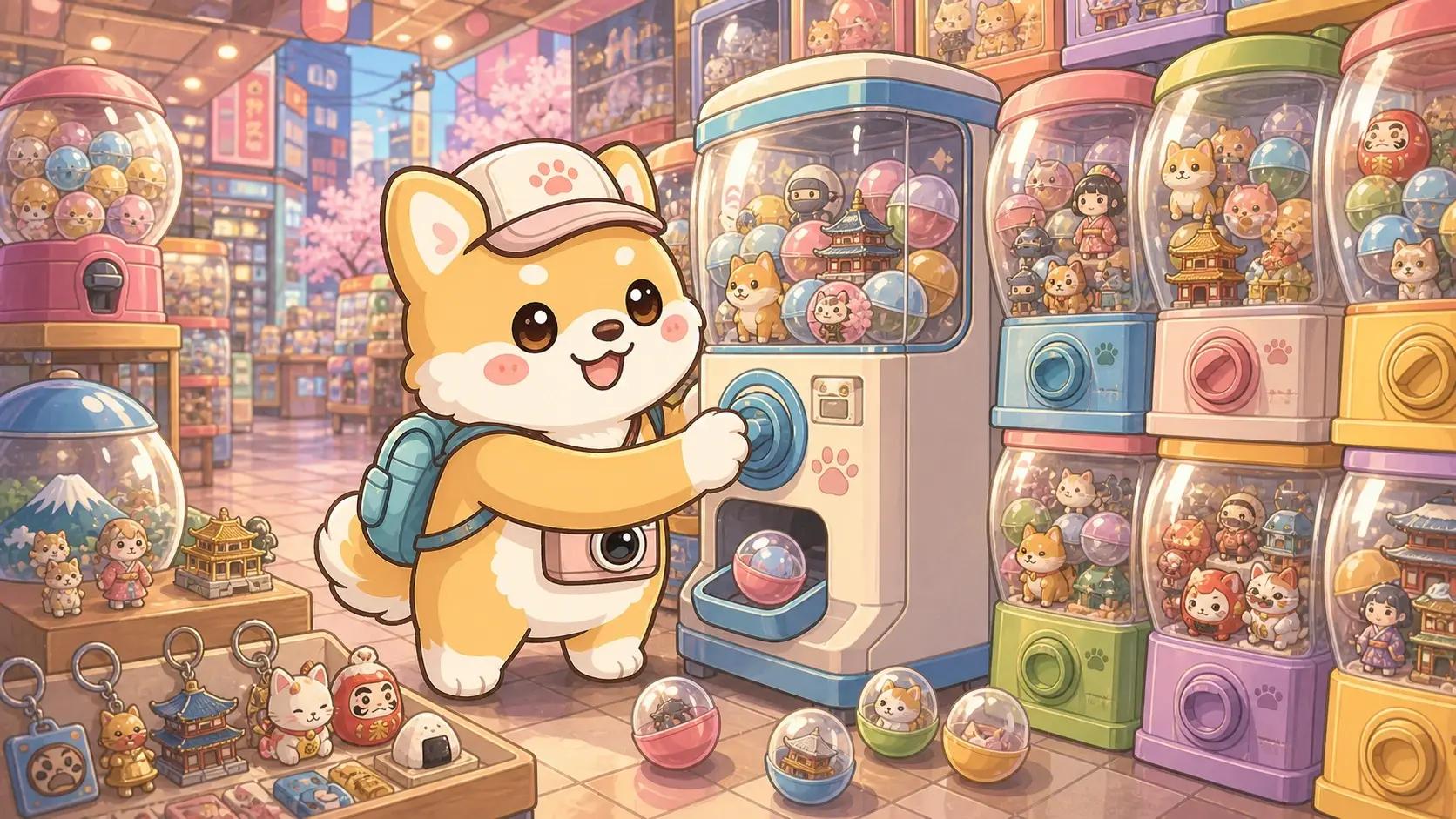
Japanese vending machine toys mostly mean gachapon (or gacha, gachagacha): a coin slot, a crank, a capsule. Inside: a miniature, a strap, a tiny diorama of a convenience-store onigiri, a licensed character sitting on a rice cooker.
The skill is not luck. It is reading the display card.
- Complete set listed on the card — usually 5–8 designs plus a rare.
- “2” or “secret” — extra chase piece. Do not budget for it.
- Bandai / Takara Tomy / independent — quality and paint vary.
- Capsule size — bigger capsule, bigger object, higher price.
Akihabara still concentrates the hobby. Walk Akihabara Central Street after dark and the toy walls are as much of the street as electronics. You do not need a “secret floor.” You need coins and a decision to stop after two tries.
Halls also sell empty display capsules so you can see the full set before you spend. Photograph the card if you are hunting one character — memory fails after three machines. Licensed Bandai-style lines usually have cleaner paint and a checklist on the insert. Unlicensed figures can still be cute; they chip faster in a suitcase.
Japanese ball vending machine: the sphere and the sound
A japanese ball vending machine is the same idea with a louder drop. The ball is the packaging. Kids treat it as the toy. Collectors treat it as trash around a figure.
How to use one without looking lost:
- Confirm the price on the card, not the rumor from a blog.
- Use 100-yen coins; many machines hate notes.
- Turn until it clunks. If it jams, do not kick it — find staff in a gacha hall.
- Open over a bin. The plastic is a lifetime of micro-litter if you pocket it “for later.”
Stations, supermarkets, and game centers all host a few. Dedicated gacha halls host hundreds. Halls are where you go when you already know you have a problem.
Neighborhoods change. Akihabara still has the densest halls, but Ikebukuro around Sunshine 60 Street and Osaka’s Den Den Town are easier if you already planned those areas. Station machines are a different game: fewer series, more chance of a jammed crank, and no staff hovering. Carry 100-yen coins anyway. IC-card machines exist, then the next block is cash only.
Trading happens in halls. If you pulled a duplicate and someone next to you has the one you want, a polite swap is normal. Open both capsules first so nobody is swapping a mystery for a mystery. A short “trade?” and showing the figure is enough English. You do not have to participate.
Rare pulls are printed on the paper insert as secret or last-in-set. Do not assume the machine is “due” for a rare. Probability is not a queue. Budget a number of pulls, then walk away even if the last one was a duplicate.
Strange japanese vending machines (the ones next to the toys)
Strange japanese vending machines sit in the same mental folder for visitors, even when they do not vend toys.
You may actually see:
- Eggs — refrigerated, dated, for people who cook tonight
- Bananas — yellow, sometimes overripe, a running joke that is also a snack
- Umbrellas — rain tax, useful once
- Cup dashi / broth — office and factory edges more than tourist streets
- Ice cream freezers — summer; the SKUs belong in japanese convenience store ice cream, not here
- Print clubs and sticker machines — not toys, same “insert coin, receive object” brain
Coolest japanese vending machines in travel videos are often one-off cabinets in a rural town or a corporate lobby. Treat those as photographs. Treat gachapon as the product you will actually buy twice.
Crazy japanese vending machines lists on the internet mix real SKUs with folklore. If a machine looks like a punchline aimed at foreigners, you can walk past it. Your hotel ice-cream freezer is enough chaos.
Drink coffee cans and tea still matter more calories-wise; the coffee vending machine ritual is a different cabinet. Do not put a figure and a hot can in the same pocket. Eggs and bananas are Tuesday shopping if you have a kitchen. Umbrella machines appear when the sky turns. Broth is lunch for an office, not a souvenir.
Where to hunt without a shopping plan
City default: Akihabara, large stations, department-store toy floors. Casual default: supermarket entrance, Don Quijote, some kombini corners. Avoid: machines with faded cards and dusty capsules — the mechanism may eat coins.
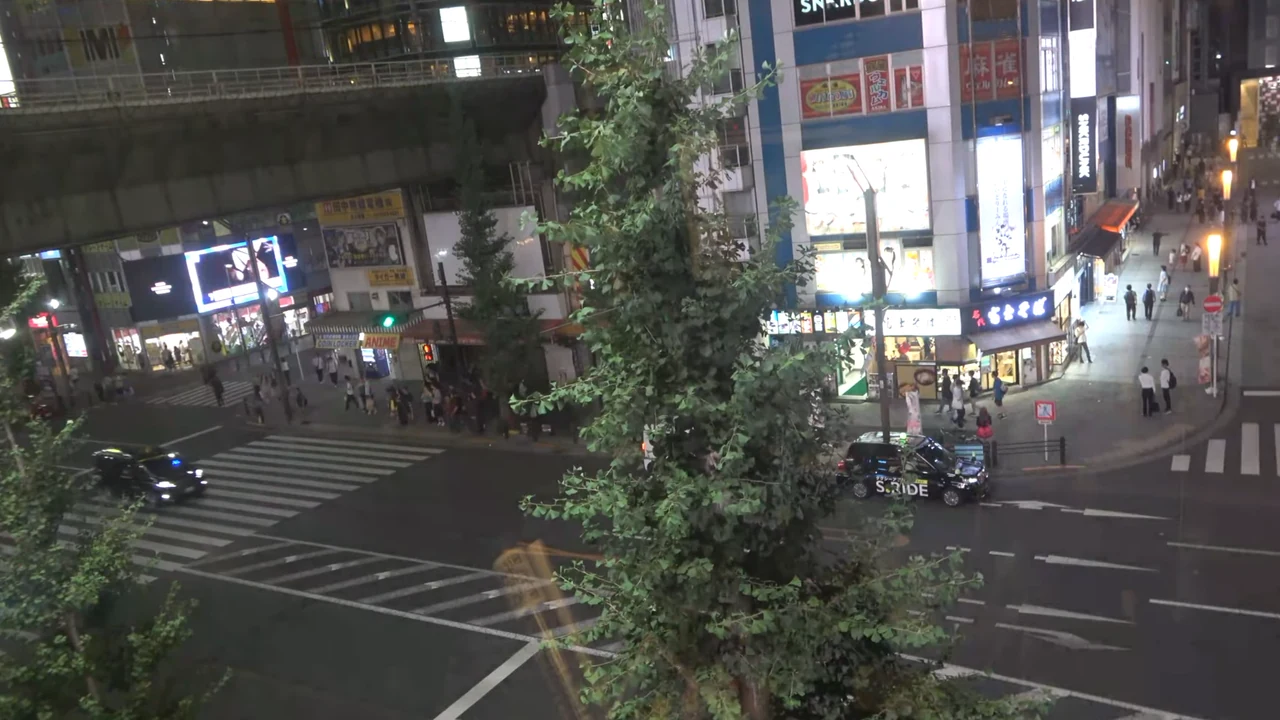
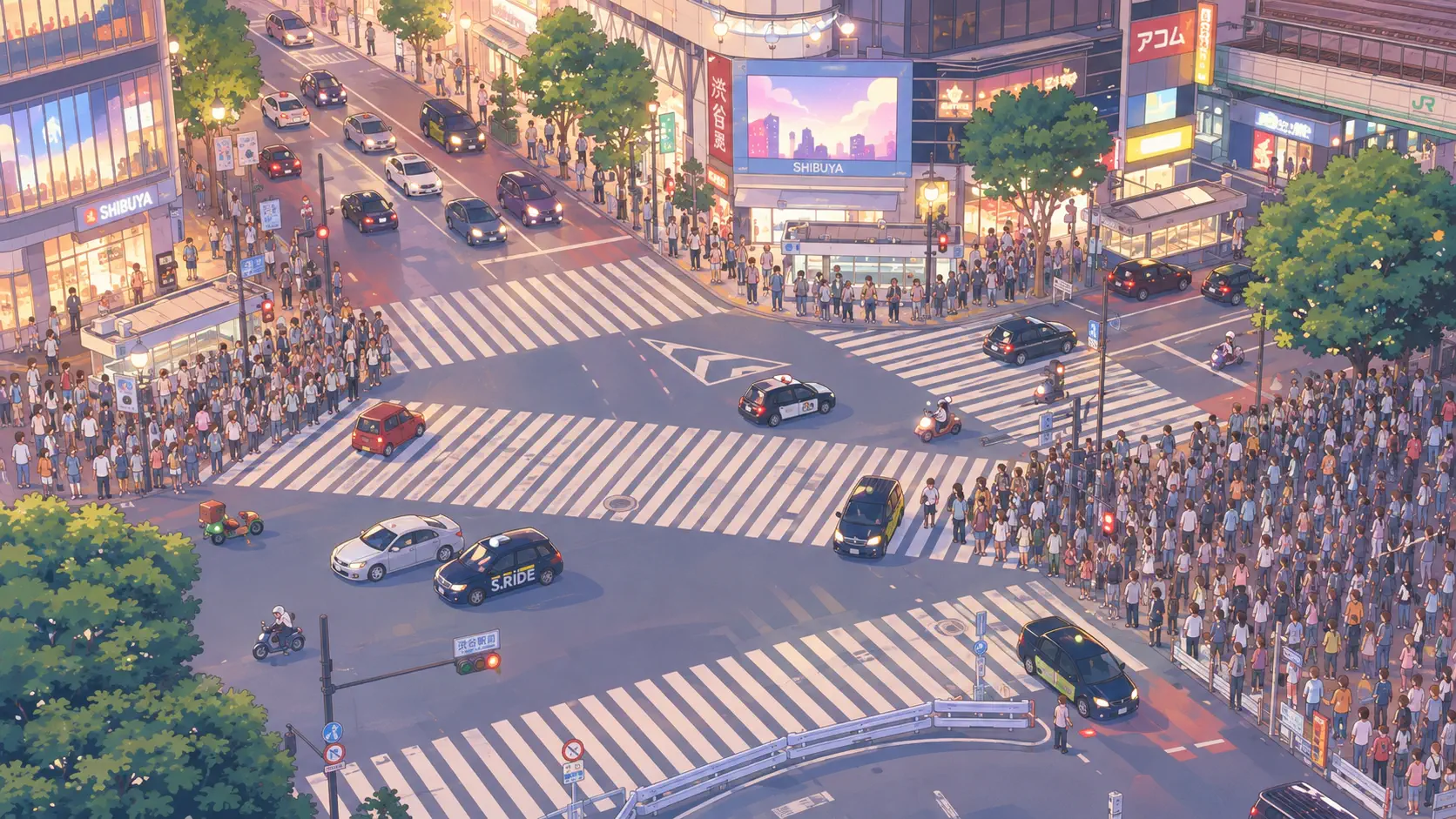
Shibuya’s scramble energy is the opposite of a quiet gacha hall, but the Shibuya Crossing live camera is a reminder that souvenir shopping happens in motion. Buy one capsule. Keep walking. The second hall can wait until a rainy hour.
If you want the hunt, not one lucky pull, give yourself an hour in Akihabara. If you want one cute thing, pull on the way to the train. Tourist streets such as Dotonbori and Takeshita skew toward “Japan souvenir” series — cats, ramen, trains — which photograph well and travel light.
Mini food capsules pair well with a real snack later. If you pulled a tiny melon pan, go eat a real one: Melon pan turtle. If you pulled a tiny fish cake, the street version is Japanese mini taiyaki. Between pulls, the japanese convenience store food sequence is still lunch.
Money, duplicates, and when to stop
Gacha is designed to make you complete a set. You will not complete a set on a five-day trip unless you enjoy paying for duplicates.
A sane cap:
- One machine you actually like the display of
- Two or three turns
- One “I already have this” laugh
- Stop
If you want a specific figure, buy it from a hobby shop tray of opened capsules. That is less romantic and more honest.
¥200–¥500 is common for small figures. Premium series go higher. A dozen small capsules still nest in a shoe. Soft figures survive checked bags better than painted PVC. If airport security asks, it is toys. Declare nothing special.
What comes out, practically
- PVC figure on a tiny stand
- Rubber strap
- Acrylic stand
- “Gachapon rice” that is not rice
- A duplicate of the common pose
- Rarely: a secret colorway that makes the rest of the day feel justified
Open it. Decide if it is luggage. If not, gift it to the next person in your group who did not play.
Stationery gacha — erasers, clips, phone straps — is less exciting and more useful. Teachers and office workers actually buy these. If your suitcase is already full of figures, stationery is the pull that will get used.
Local and seasonal series (city mascots, shrine charms, limited summer animals) often sit near the attraction they advertise. Airport and station souvenir gacha is more expensive per capsule and more likely to be a magnet or strap than a figure. Fine if you want one object that says the place name.
Some machines sell gag items aimed at adults. If the window looks like a joke you would not open in a family hall, walk past. Kids’ machines are usually obvious: bright colors, character art, low price. Do not photograph other customers at the cabinets.
FAQ
Is gachapon only in Akihabara?
No. It is national. Akihabara is just denser.
What coins do I need?
Mostly 100-yen. Some 200- or 500-yen machines. Notes often fail.
Can I use IC cards?
Sometimes on newer machines. Do not assume.
Are the toys for kids?
Many are adult collectors’ miniatures. Some are kids’ candy-adjacent. Read the card.
Is it gambling?
It is a blind purchase with a published set. It is still a loop. Set a cap.
Should I ship a whole set home?
Only if you already know the shipping math. One figure in a carry-on is the usual ending.