
Tokyo has more than one center — and Ikebukuro insists on being counted. While Shinjuku sells vertical chaos and Shibuya sells crossing mythology, Ikebukuro sells density with otaku teeth: a ward where Sunshine 60 Street stretches roughly 200 metres from the east side of Ikebukuro Station toward Sunshine City, the Sunshine 60 tower, an aquarium, a major theatre, and shopping floors that treat anime merchandise as seriously as department store cosmetics. This live camera watches that pedestrian artery breathe — not a scramble crossing, but a shopping street where foot traffic is the weather.
About This Live Camera
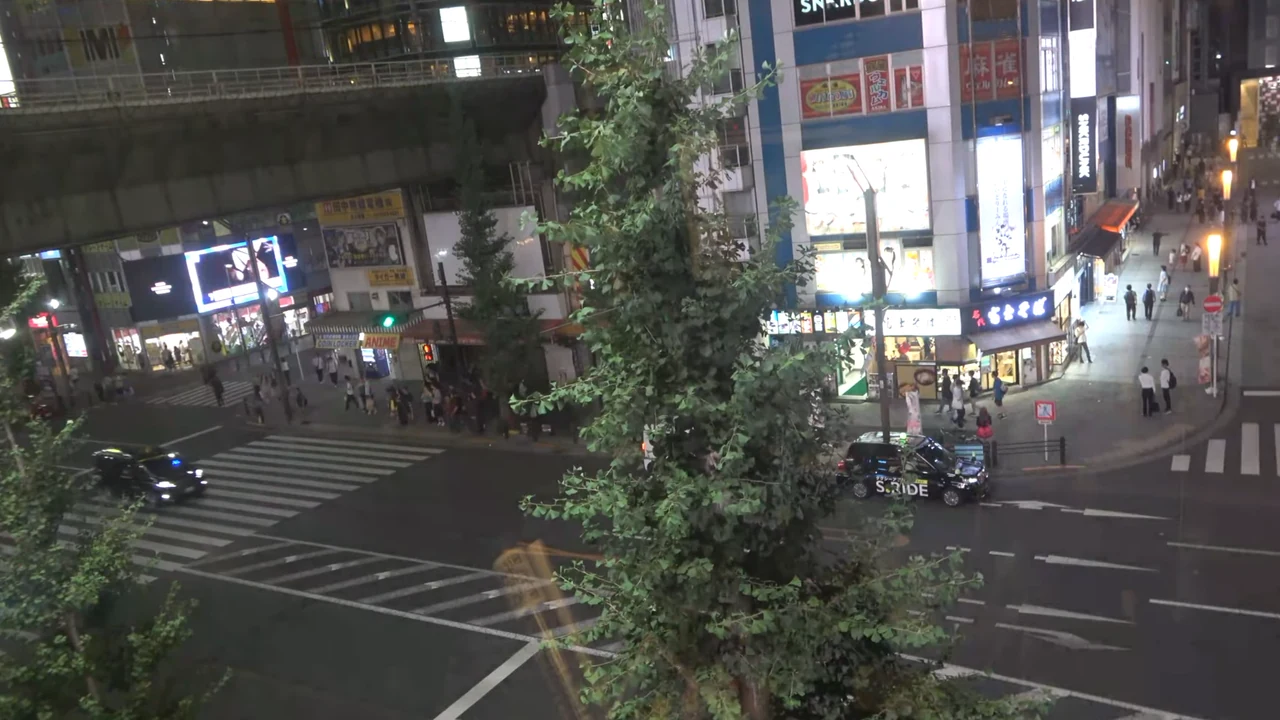
The stream captures Sunshine 60 Street (サンシャイン60通り) in Toshima Ward — a commercial pedestrian zone linking Ikebukuro’s station east exit grammar toward the Sunshine City complex. Expect continuous foot flow, storefront signage, occasional delivery carts, promotional staff on busy days, and the visual rhythm of a district that mixes mainstream retail with anime, games, and character goods culture.
Source is a YouTube live feed (0HCO9fncu_4) from channel UCEloGRn_GCcr-I_6f5MYJPw — a street-level view rather than a tower rooftop panorama, which keeps human scale readable on screen.
What You Can See in the Live View
Pedestrians in waves tied to trains arriving upstairs at Ikebukuro — one of Tokyo’s busiest JR/Metro/Seibu/Tobu nodes. Families heading toward Sunshine Aquarium; theatre-goers checking phones for Tokyo Metropolitan Theatre showtimes; students in cosplay-friendly weekends; office workers cutting through on weekday lunch breaks. Shopfront banners rotate seasonally — Halloween, Christmas, campaign characters — even when you cannot read Japanese, colour tells the story.
Rain produces umbrella canopies that turn the street into a moving roof; clear evenings reflect neon and tower lighting at the street’s end. Unlike vehicle crossings, the drama here is crowd physics — bottlenecks near popular corners, sudden empty minutes after a downpour, Saturday density that feels like a festival without floats.
Where Is Sunshine 60 Street?
In Ikebukuro, Toshima City, on Tokyo’s northern Yamanote loop side — historically a working-class and student-heavy district that grew into a twin peak with Shinjuku for northwest Tokyo gravity. The street runs east from the station toward Sunshine City, a large complex built around Sunshine 60, once among Japan’s tallest buildings when completed in 1978 (the tower opened in that era as a landmark of Ikebukuro’s vertical ambition).
Nearby landmarks within walking distance include Sunshine Aquarium (inside/on the complex), Konica Minolta Planetarium in the same commercial orbit, Animate flagship culture, and the Tokyo Metropolitan Theatre — a serious performing arts venue that keeps Ikebukuro from being dismissed as pure pop culture.
Coordinates place the cam in the dense grid east of the station — use the map on this page to orient against the Yamanote line and Seibu department store landmarks.
History: From Postwar District to Otaku Capital
Ikebukuro developed as a rail hub where multiple private lines met JR — a recipe for commerce. Sunshine City’s development on the site of the former Sugamo Prison area (redeveloped after the prison moved) was a symbolic turn from incarceration to consumption — urban renewal language Tokyo used often in the late twentieth century. The Sunshine 60 tower became Ikebukuro’s exclamation point on skylines dominated elsewhere by Shinjuku and Tokyo Skytree views.
Parallel to tower retail, Ikebukuro nurtured otaku culture — anime shops, game centers, cosplay-friendly streets, and events that made the ward a northern rival to Akihabara’s electric town identity. Sunshine 60 Street is the polished pedestrian spine connecting station energy to complex interiors — not the only otaku address in Ikebukuro, but the one this camera makes visible as continuous flow.
Why This Street Is Worth Watching
Because Ikebukuro is underrated in foreign media compared with Shibuya — yet domestically it is a top-tier youth and shopping node. Because pedestrian-street cams reveal Japanese retail rhythm better than aerial shots — campaign rotations, uniformed staff, queue culture. Because Sunshine City mixes family aquarium tourism with adult anime commerce in one walk — social diversity compressed into 200 metres.
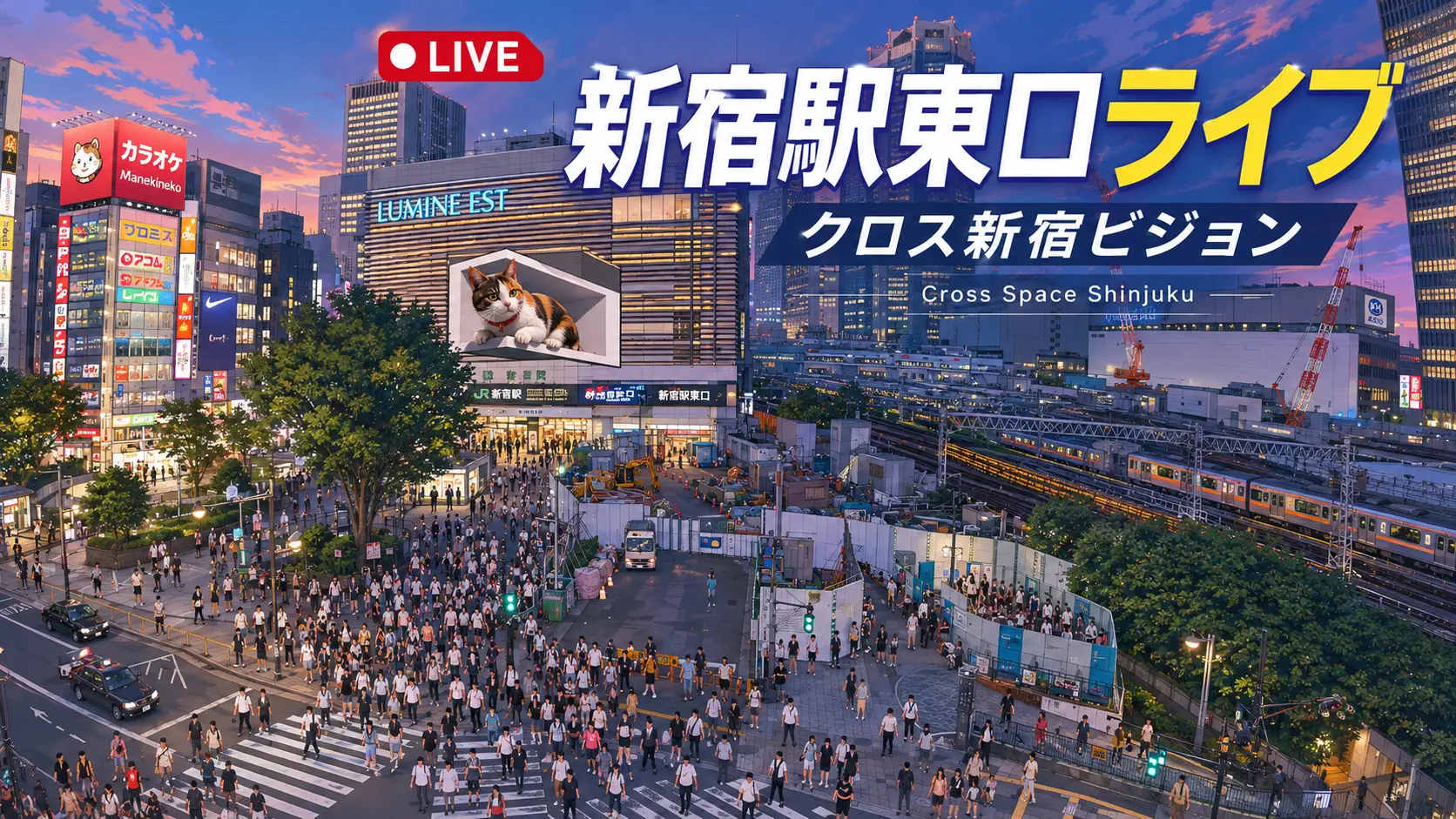
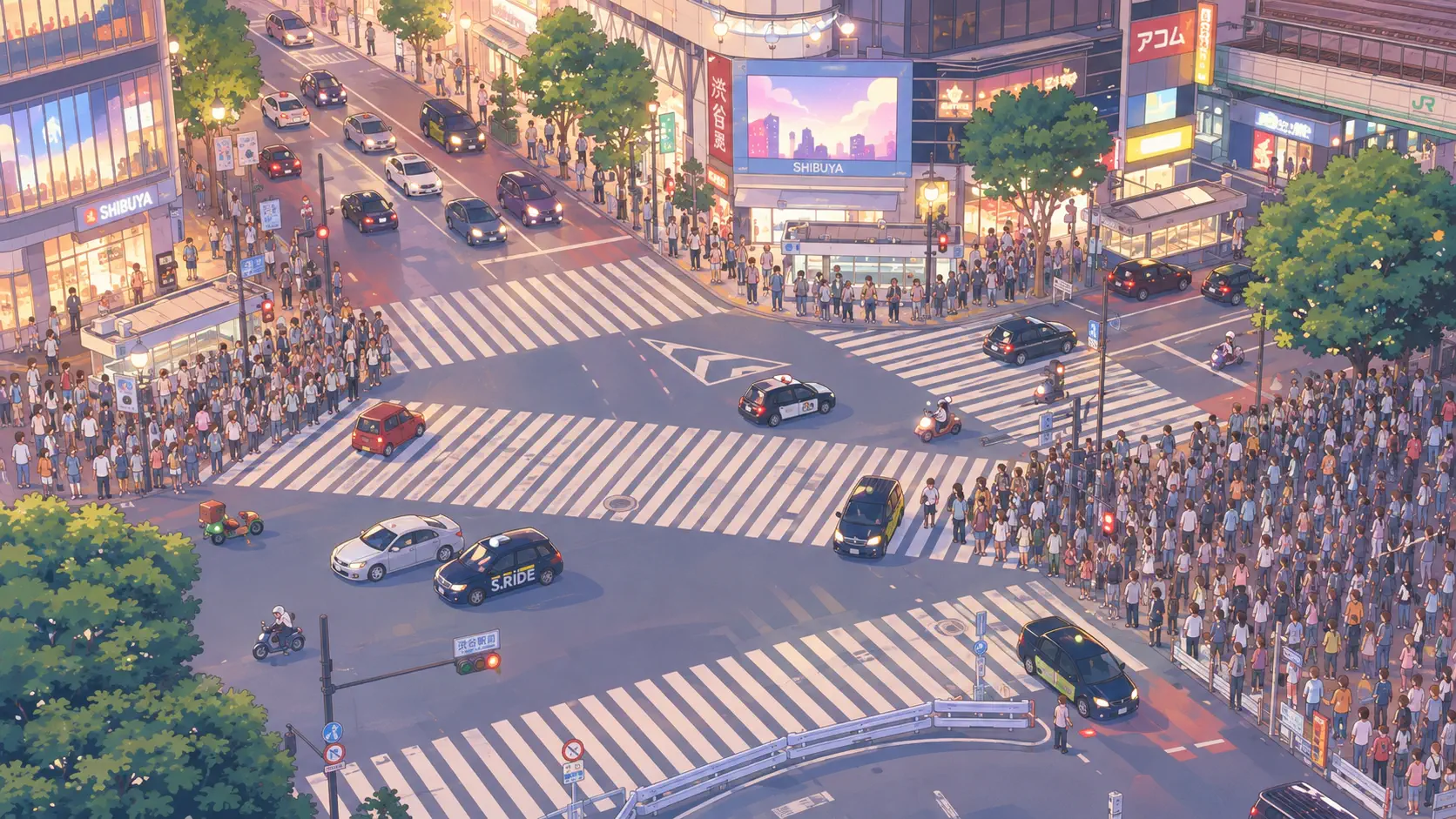
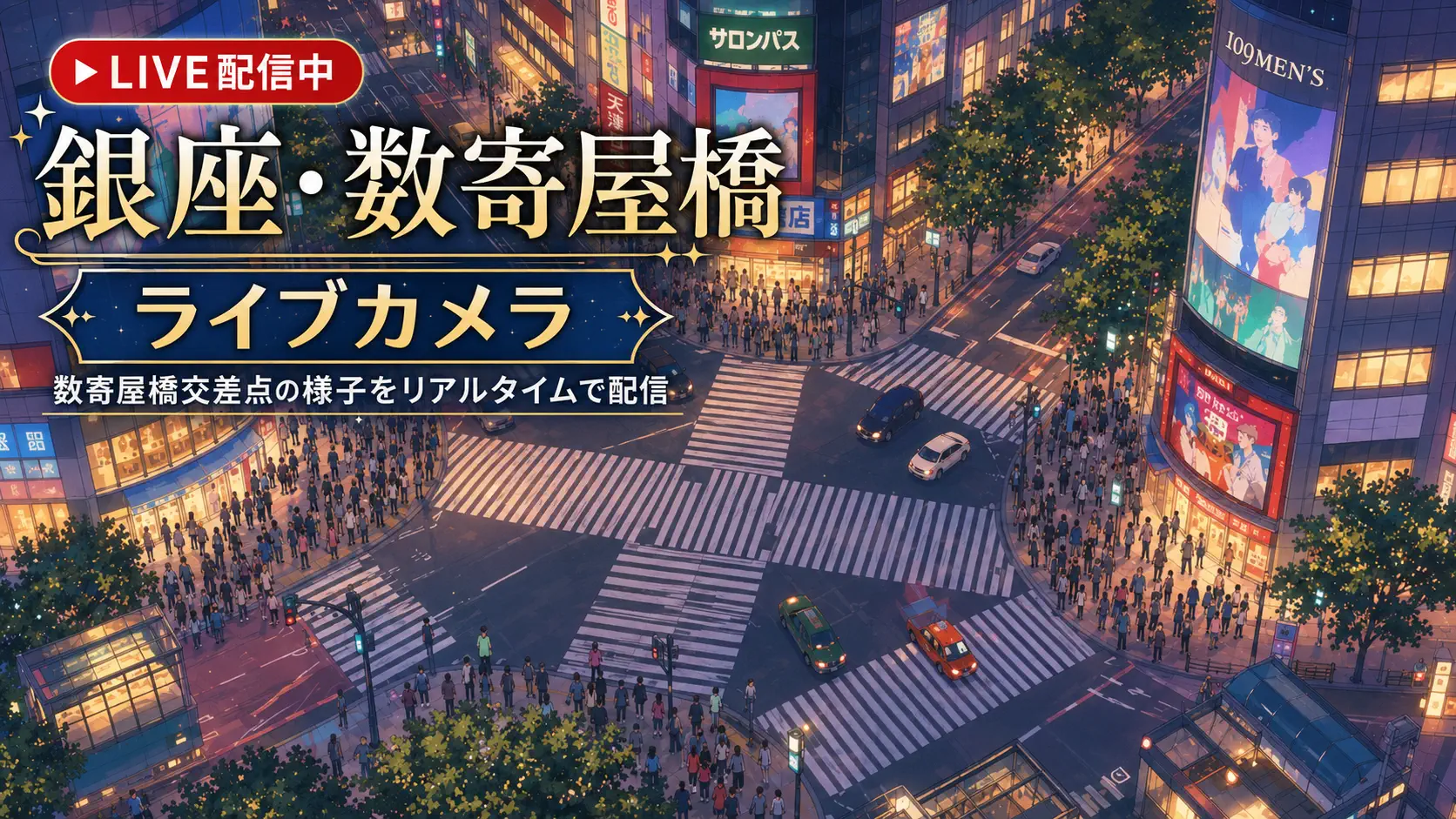
Compare with Shibuya Crossing for scramble mythology, Cross Space Shinjuku for west-side tower energy, and Ginza Sukiyabashi Crossing for upscale intersection theatre.
Daily Life Around the Camera
Weekday lunch hours bring office workers from Toshima ward buildings. Afternoons shift toward students and tourists. Evening lights up character goods windows and restaurant queues. Weekend afternoons peak — Ikebukuro is a date and friend-group destination as much as a commute hub. Rain does not stop the flow; it reorganizes it under umbrellas.
Delivery and restock happen early morning before the street becomes fully pedestrian-priority — if the cam runs early, you may catch logistical calm.
Best Time of Day to Watch
- Weekday lunch (12:00–13:30 JST): office-worker pulse
- Saturday afternoon (14:00–17:00): maximum leisure density
- Evening (18:00–20:00): neon and theatre/aquarium exit traffic
- Late night (if live): thinning crowds, cleaning crews
For otaku-window shopping energy, prioritize weekend afternoons; for urban sociology, weekday lunch compares Toshima employment with leisure.
Best Seasons and Weather
Summer festivals and campaign events increase costume and promotional visibility. Autumn is comfortable walking weather — crowds stay high. Winter illuminations along commercial streets brighten the frame after dusk. Spring university entrance and job-change season adds suitcase and formalwear accents near the station mouth even before the street proper.
Typhoon rain bands can empty the street suddenly — then refill when trains resume — a Tokyo micro-drama scramble cams also show, but here without cars.
Events and Celebrations
Ikebukuro hosts anime-related fairs, character birthday events, and shop collaboration launches that do not always make international news but rewrite street density locally. Halloween cosplay weekends are visually obvious on the feed. Christmas shopping seasons stack lighting and queue barriers. When Sunshine City runs aquarium or planetarium campaigns, family clusters increase — strollers become the street’s slow lane.
Golden Week and Obon spread Tokyo leisure across wards — Ikebukuro absorbs overflow from overcrowded Shibuya sometimes.
Getting There
By rail: Ikebukuro Station — JR Yamanote, Saikyo, Shonan-Shinjuku lines; Tokyo Metro Marunouchi, Yurakucho, Fukutoshin; Seibu Ikebukuro; Tobu Tojo Line. On foot: exit east toward Sunshine City signage — Sunshine 60 Street is the named connector. Accessible routing: elevator exits from the station complex feed into the pedestrian grid — follow barrier-free signage inside the station before emerging on street level.
The street is short enough to walk end-to-end in a few minutes — the cam compresses that walk into one frame.
Interesting Facts
- Sunshine 60 Street is roughly 200 metres linking Ikebukuro Station east toward Sunshine City.
- Sunshine 60 tower opened 1978 as an Ikebukuro landmark — among Japan’s tallest of its era.
- Sunshine Aquarium and Tokyo Metropolitan Theatre anchor family and culture traffic nearby.
- Ikebukuro ranks among Tokyo’s top otaku/anime commerce districts alongside Akihabara narratives.
- Toshima Ward population density makes this street a pedestrian-pressure case study.
- Sunshine City sits on a redeveloped site tied to the former Sugamo Prison relocation story.
- YouTube live source channel UCEloGRn_GCcr-I_6f5MYJPw, video 0HCO9fncu_4.
How to Watch a Pedestrian Retail Street
Count bag types — plastic shop bags versus backpacks signal shopping versus transit. Note staff with signboards — campaign launches. Watch umbrella density as a real-time rain map. Compare Saturday colour saturation with Tuesday grey — same pavement, different Ikebukuro mood.
When the street empties abnormally, check time — last trains, typhoon approaches, or unusual weather — Tokyo empties with discipline.
Otaku Commerce vs Family Tourism
Ikebukuro’s genius is coexistence — a child in aquarium shark merch can pass an adult in itasha jacket without either performing surprise. The cam captures that overlap as sequential pedestrians, not culture-war debate. Animate-adjacent flows mix with department store aesthetics at the station mouth. Sunshine City interiors hold planetarium and aquarium gravity; the street is where intentions sort themselves visibly.
Density Without a Scramble
Shibuya proves Tokyo can move diagonally through cars; Ikebukuro proves Tokyo can move straight through shops. Pedestrian priority here is softer than Ginza’s polished luxury — more youth, more character goods, more promotional noise — but still ordered compared with many global cities. Watch edge behaviors: people stepping aside for strollers, staff bowing toward queues — micro-etiquette readable in silent video.
Nearby Live Cameras
Contrast with Cross Space Shinjuku for west Yamanote tower views, Shibuya Crossing for scramble iconography, and Ginza Sukiyabashi Crossing for upscale intersection calm.
One More Reason to Leave It Open
Ikebukuro is Tokyo’s reminder that “famous crossing” is not the only valid livestream grammar — sometimes a 200-metre shopping street teaches more about how the city actually shops. Leave the tab open through one weather change and one hour shift; the street repaints itself without a director.
Frequently Asked Questions
Is Ikebukuro the same as Sunshine City?
No. Sunshine City is the large complex at the street’s end — tower, aquarium, malls. Ikebukuro is the wider district and major rail hub the street connects to.
Can I see Sunshine 60 tower from this cam?
Often as background at the street’s end depending on angle — the feed emphasizes pedestrian retail scale, not skyline hero shots.
Is Ikebukuro good for anime shopping?
Yes — one of Tokyo’s top districts for anime, games, and character goods, competitive with Akihabara in domestic reputation.
Why fix the YouTube video ID?
The live stream resolves to 0HCO9fncu_4 from channel UCEloGRn_GCcr-I_6f5MYJPw — replacing placeholder IDs so the embed works.
How far is Shinjuku from Ikebukuro?
About 3 minutes on the Yamanote loop — two neighboring mega-hubs worth comparing on separate cams.
Is the street closed to cars?
Pedestrian-priority commercial street grammar — deliveries excepted at hours; human flow dominates daytime watching.