
Day trips from tokyo by train are how most visitors escape the capital without renting a car: IC cards for near hops, reserved seats for longer legs, and a hard rule about the last comfortable return. This guide is the logistics layer — lines, time bands, bullet-train options, half-day windows, and pass math — not another vibes-only list. For which destination fits your mood, use the best day trip hub. For cold-season tactics, see winter day trips.
Day trips from Tokyo by train: the practical table
Approximate one-way passenger feelings (stations, waits, and transfers vary — always recheck the morning you go):
| Destination | Typical rail path | Time band one way | Notes |
|---|---|---|---|
| Kawagoe | Tobu / JR options | ~30–60 min | Easiest short cultural hop |
| Kamakura | JR via Yokohama | ~50–70 min | Add Enoshima on foot/tram time — Kamakura guide |
| Nikko | Tobu from Asakusa or JR mix | ~2 hr | Early start mandatory — Nikko guide |
| Hakone | Odakyu / Romancecar or JR+transfer | ~1.5–2 hr to gateway | Circuit continues by bus/ropeway/boat |
| Kawaguchiko | Highway bus often easier; rail exists with transfers | ~2–2.5 hr | Compare bus vs train same morning — Kawaguchiko guide |
| Nagoya | Shinkansen | ~1.5–2 hr | City day or pass-through |
| Kyoto | Shinkansen | ~2–2.5 hr | Long for a true day trip; possible, tiring — Kansai radials: Osaka / Kyoto |
Fares shift with reserved seats, IC vs tickets, and seasonal buses. Budget a buffer beyond the cheapest online screenshot.
Day trips from Tokyo by bullet train
Day trips from tokyo by bullet train make sense when the destination is a shinkansen city and you accept paying for speed.
Good bullet-train day logic:
- Outbound on an early Hikari or suitable service
- One focused neighborhood or castle/station-area plan
- Return with a seat reservation already in hand
Shinkansen day trips from tokyo to Kyoto are doable for stubborn travelers who mainly want station-area highlights and one temple cluster — not a complete Kyoto education. Nagoya works better as a paced city day. Hiroshima in a single day from Tokyo is a stunt, not a recommendation.
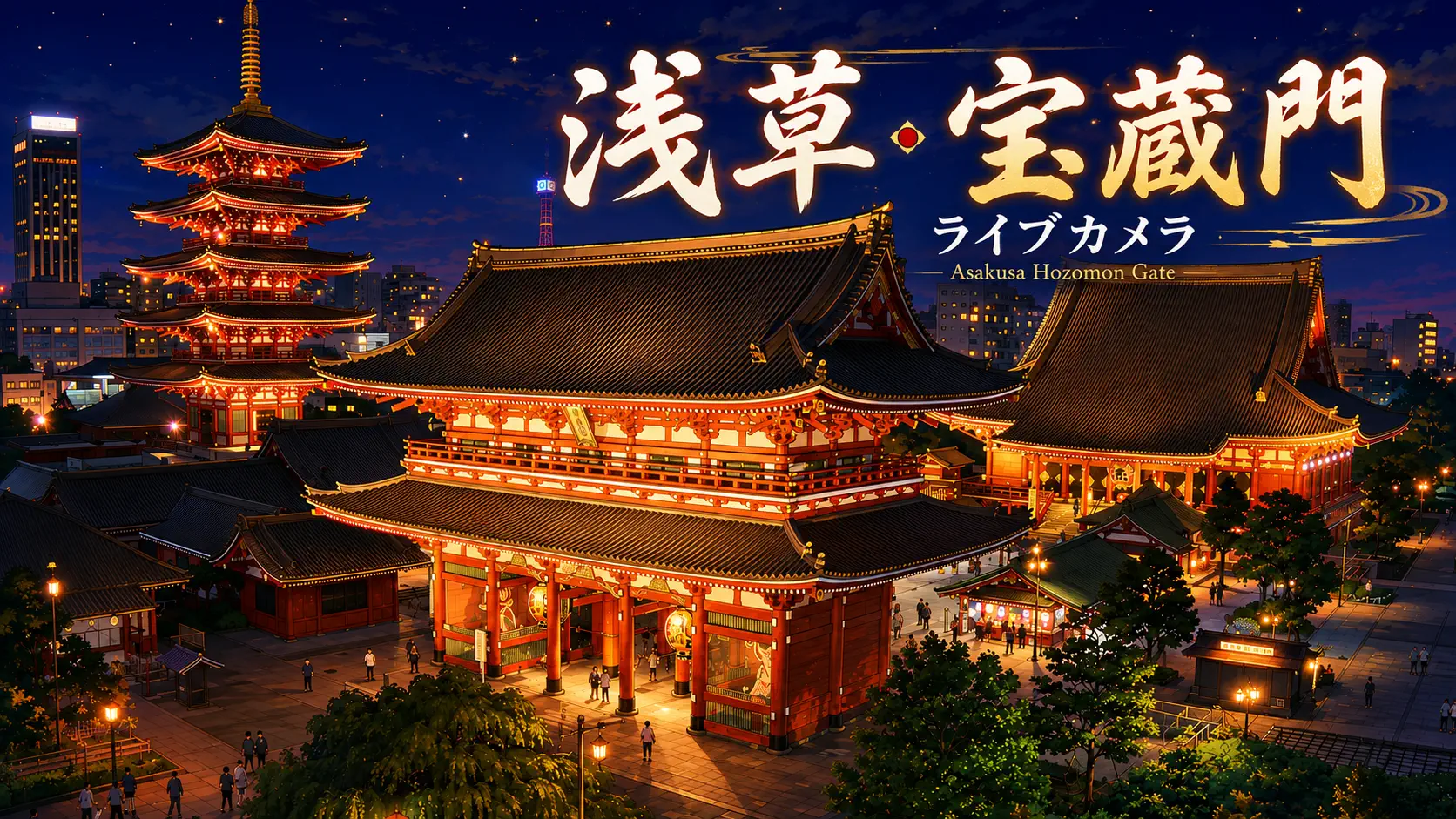
A Nagoya railway station live camera shows the scale of a shinkansen hub before you treat it as a “quick stop.” A Kyoto Station bus terminal camera hints at how much city still sits after you leave the shinkansen gates. For Tobu-from-Asakusa mornings toward Nikko, the Asakusa Hozomon Gate live camera is a useful crowd-density check near the classic departure neighborhood.
Bullet train day trips from Tokyo: pass or point-to-point?
Bullet train day trips from tokyo should run the fare math once:
- Price the outbound + return reserved seats you actually want.
- Price any JR Pass covering those days.
- Buy the pass only if (2) wins clearly — not because a 2015 blog said everyone needs one.
Many Tokyo-based visitors on short stays fail the pass math if their only long hop is a single round trip. Local IC travel around Tokyo does not need a national pass. Separate day-trip math from trip-wide pass math too: a pass that wins for Tokyo–Kyoto–Osaka may still be useless on Tobu Nikko, while a one-day Tobu ticket can be perfect for Nikko and irrelevant for Hakone. Buy the tool for the route, not for the comfort of a national logo.
Half day trips from Tokyo
Half day trips from tokyo are for mornings or afternoons when a full expedition would wreck the rest of the itinerary.
Strong half-day candidates:
- Kawagoe — warehouse streets + sweets, back for Tokyo evening plans
- Kamakura shortlist — Great Buddha + Hase area, skip Enoshima
- Yokohama — harbor and Chinatown energy without mountain logistics
- Omiya / railway museum style days — if that is your hobby joy
Half days fail when people pretend they are full days and add “just one more” bus. Set a reverse alarm.
1 day trip from Tokyo: seat and timing checklist
For any 1 day trip from tokyo by rail:
- Screenshot the return train options before you leave.
- Top up IC or buy reserved tickets the night before when possible.
- Travel with a daypack only — station lockers help if hotels hold luggage.
- Sit on the correct car for express stops; wrong cars create platform sprints.
- Eat something before boarding so the first hour is not a snack panic. A kombini triangle from the japanese convenience store food sequence is enough; an ekiben filling that changes by prefecture is types of onigiri fillings.
Standing on a crowded local after a 12-hour sightseeing day is how people decide Japan “trains are too hard.” The trains are fine. The planning was late.
When highway buses beat trains
Kawaguchiko and some Hakone/Kusatsu connections often favor buses for door-to-door simplicity. Compare:
- Number of transfers
- Luggage rules
- Traffic risk on weekends
- Last return departure
Trains win in snow when roads panic — but mountain rail alternatives may still need buses at the end. Read the full chain, not only the first logo.
Sample money mindset (not a quote sheet)
- Near hops (Kawagoe / Kamakura): modest round trips many travelers absorb without drama
- Nikko / Hakone class: plan a real activity budget beyond rail — buses and ropeways add up
- Shinkansen days: the seat price is the headline; food inside the station is the quiet adder
Keep rail and experiences on separate mental lines so a “cheap train” day does not become an expensive circuit.
Station skills that save day trips
- Stand aside on platform marks; rush-hour Tokyo does not negotiate
- Use women-only cars only when eligible and marked
- Keep the IC card in the same pocket all day
- Photograph the bus stop timetable when you arrive so the return is not a mystery
- If a connection is under five minutes with luggage, that connection is fiction
Shinkansen stations are cities inside cities. Budget walking time from ticket gate to exit to bus bay. The clock you saw on the train seat is not the clock at the curb.
When comparing operators (JR vs private railways like Tobu or Odakyu), read which ticket covers which segment. A pretty pass that stops one station early is how day trips grow surprise fares. Platform announcements run in Japanese first; lean on destination boards and car numbers. When in doubt, ask station staff with a written station name — they route lost visitors all day. Keep the best day trip hub open for destination fit while this page stays on rails and clocks.
FAQ
Can I do day trips from Tokyo by train without speaking Japanese?
Yes. Station codes, IC cards, and reserved-seat machines or counters handle most classics. Screenshots help.
Is the shinkansen required for a good day trip?
No. Kamakura, Kawagoe, and Nikko prove local and limited express networks are enough.
How early should I leave?
For Nikko, Hakone loops, or Fuji areas: aim to be moving by 7:00–8:00. For Kawagoe: mid-morning can still work.
Do I need reserved seats?
For shinkansen on busy days, yes if you want guaranteed sitting. For local Kamakura runs, usually no.
What about luggage?
Do not day-trip with large suitcases. Use hotel storage or lockers.
Are train day trips realistic in winter?
Yes — with earlier returns and grippy shoes. See the winter guide for onsen and Fuji-specific notes.