
There is no single best day trip from tokyo that wins for every traveler. The right answer depends on whether you want temples, coast, hot-spring air, old-town lanes, or a Mount Fuji gamble — and how much walking versus sitting on trains you actually enjoy. This hub ranks the classic options by fit and who they suit.
Clocks, passes, half-day windows, and return buffers live in the day trips by train guide. Cold-season visibility, onsen days, and summit-camera habits live in winter day trips. Use those for how and when; use this page for which.
Best day trips from Tokyo: the short shortlist
These five names dominate classic planning for good reason:
| Destination | Why go | Rough one-way feel | Best for |
|---|---|---|---|
| Nikko | Shrines, cedar roads, waterfalls | ~2 hours | Culture + nature |
| Kamakura / Enoshima | Great Buddha, temples, sea | ~1 hour | Easy first outing |
| Hakone | Onsen towns, lake, Fuji chances | ~1.5–2 hours | Scenic loops |
| Kawaguchiko | Lake + Fuji views | ~2–2.5 hours | Photography days |
| Kawagoe | “Little Edo” streets | ~30–60 minutes | Low-effort old town |
Pick one primary target. Stacking two “nearby” names often creates a tired evening and a shallow morning.
Choose by energy, not FOMO
Match the day to your body and taste, not to a ranking screenshot.
Ask:
- Do I want walking hills or flat streets?
- Is weather critical (Fuji views) or optional (Kawagoe lanes)?
- Am I okay with a bus after the train?
- Do I need luggage storage in Tokyo first?
- Do I want “wow architecture,” coast light, onsen texture, or a short cultural reset?
If Fuji visibility is non-negotiable, use the winter day-trip notes (and live summit cams there) before you spend the day on a cloudy wall. A single day trip from tokyo chosen for fit beats three half-finished ones chosen for FOMO.
Japan day trips from Tokyo worth the fare
Japan day trips from tokyo are abundant; these are the ones that usually repay the ticket. Among best day trips from tokyo, match the row to your mood rather than collecting all five stamps in one week.
Nikko — for shrine architecture and forest air
Longer day and more stairs than first-timers expect. Worth it if shrine craft and cedar roads are the emotional priority — not if you only have “half interest.” Autumn weekends add mountain-road patience requirements; winter quiet is a different gift covered in the winter guide. Full walking order and Chuzenji cuts live in the Nikko day trip guide.
Kamakura — for the easiest “left the city” feeling
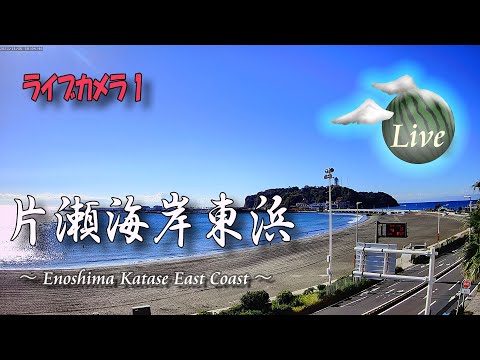
Coast light, temple density, food streets. Pair with Enoshima only if legs and curiosity agree. A look at the Enoshima Island live camera shows coastal openness before you commit to the extra tram stretch. Step-by-step timing is in the Kamakura day trip guide.
Hakone — for loops, not checklists
Hakone rewards a flexible circuit (train, ropeway, boat) more than a race through every stamp. Lake weather shifts; the Hakone lake cruise camera helps you read open-water mood, not a summit guarantee.
Kawaguchiko — for lake-and-mountain mood
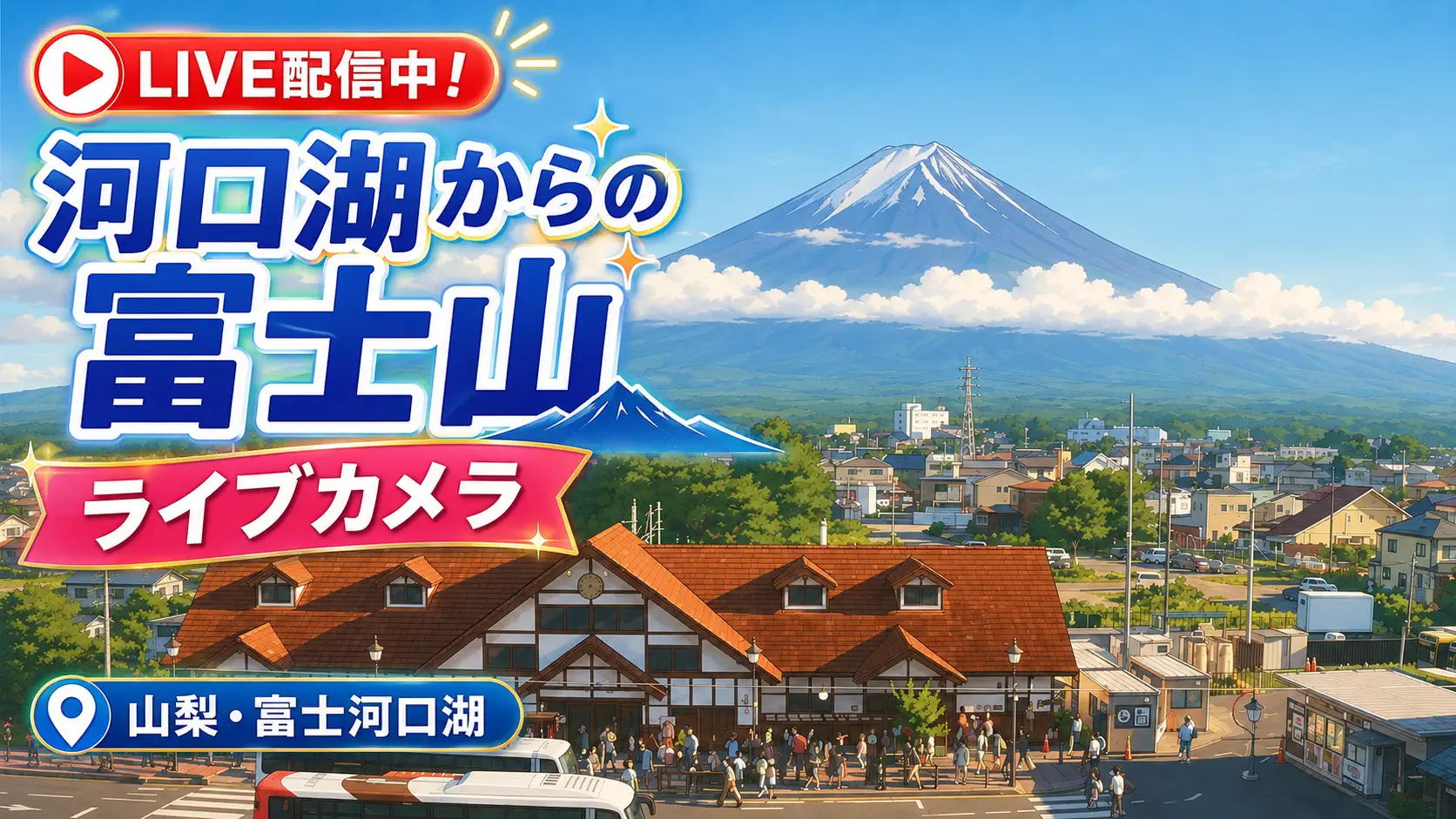
Go for the lake fringe and viewpoint culture. If the mountain hides, the towns can still work — or switch the day to Kamakura/Kawagoe. Summit-clear odds and morning camera habits belong in the winter guide; here the question is whether you want that kind of day at all. For a sense of the lakeside setting, the Kawaguchiko Mount Fuji camera shows the geography you are choosing. Bus-vs-train loops and pagoda timing live in the Kawaguchiko day trip guide.
Kawagoe — for a short cultural reset
Warehouse streets, sweets, slower photos. Ideal when you refuse a hard mountain day but still want “not Tokyo” texture.
What are the best day trips from Tokyo for first visits?
What are the best day trips from tokyo for a first Japan trip? Default order for many people planning a one day trip from tokyo:
- Kamakura — shortest learning curve
- Nikko — if you want a “wow shrine” day and accept a longer rail commitment (see train guide for timetable reality)
- Hakone — if onsen atmosphere matters more than a single temple
- Kawaguchiko — if lake-and-mountain mood is the emotional priority
Half-day energy (morning only) usually means Kawagoe or a short Kamakura slice — details live in the train guide.
Skip stacking Nikko and Hakone on consecutive days unless recovery sleep is guaranteed. Tokyo evenings still exist; you came for those too.
Pace, tickets, and Tokyo nights
Day trips steal evenings if you return wrecked. Keep at least one pure Tokyo night for neighborhoods you flew to see. If your trip is only three days in the capital, skip the outbound entirely — depth in one city beats a blurry shrine selfie and a missed dinner reservation.
Families and jet-lagged arrivals should prefer shorter rails on day one. Save Nikko-class distance for after you have slept in Japan once. Ticket prices and bus add-ons change; recheck the operator site the morning you go, especially on snow or foliage weekends.
Travelers coming from the 10-day cost guide should remember that every outbound day is also a day not spent deep in Tokyo neighborhoods. That trade is worth it when the destination matches your priority list; it is expensive theater when you go only because a ranking said so.
What this hub does not try to be
Detailed shrine-by-shrine itineraries for Nikko, Kamakura walking orders, and Fuji lakeside loops belong in destination guides. Here the job is triage: which classic fits your energy, weather risk, and first-trip confidence. If two destinations tie on paper, choose the shorter rail time — depth beats a heroic transfer on day three of jet lag.
Common miss: treating Hakone and Kawaguchiko as interchangeable “Fuji days.” Hakone is a circuit with onsen-town texture; Kawaguchiko is a lake-and-viewpoint bet. They punish cloudy mornings differently and scratch different itches. Another miss: picking a destination because it ranked #1 on someone else’s week, then resenting the stairs.
Pack for the destination’s floors, not for Tokyo brunch: temple gravel, coastal wind, and mountain bus steps punish fashion soles. If you still cannot choose, default Kamakura on a first trip and save Nikko for the day you want architecture over ease. Classics first; obscure valleys later. For when to leave and how to book seats, stay in the train guide — this page stops at which day.
FAQ
Is there one best day trip from Tokyo?
No. Kamakura is the easiest default; Nikko and Kawaguchiko win for different moods.
Can I do Mount Fuji and Hakone in one day?
Technically people try. Most return exhausted with shallow memories. Choose one.
Do I need a car?
No for these classics. Trains and buses cover the standard loops.
What if Fuji is cloudy?
Keep Kawaguchiko only if you still want the lake towns; otherwise switch to Kamakura or Kawagoe. For winter clear-odds and camera habits, use the winter guide.
Are day trips worth it on a short Tokyo stay?
Yes if you have at least four full Tokyo days total. On a 48-hour city break, stay put.
Should families choose differently?
Prefer fewer transfers and flatter walks — Kamakura and Kawagoe usually beat mountain bus chains with tired kids.