
Lake Ashi is Hakone’s mirror — a caldera lake that tourists circle by ropeway, highway, and boat. The Hakone Yusen Sorakaze live camera rides with a different kind of vessel: a “floating green park” cruise ship launched around February 2024, less pirate theatre, more open-deck nature. When the lens catches Mount Fuji, Hakone Shrine’s peace torii in the water, and forested crater walls, you are watching Japan’s most famous day-trip lake from a plant-forward deck.
About This Live Camera
The feed is associated with Sorakaze (often glossed as sky/wind breeze branding in cruise marketing) on Lake Ashi sightseeing routes. Expect water, shoreline cedar and village texture, other boats — including the classic pirate-ship cousins — and, on generous days, Fuji’s cone rising beyond the far rim. Mist chapters are equally Hakone: the lake can erase mountains in minutes and return them like a magician’s reveal.
This is not a dock-static traffic cam. Motion and angle change with the cruise. Watch for how light slides across water when the ship turns.
What You Can See in the Live View
Open-deck greenery and passenger silhouettes. Lake surface that can be glass or chop. Hakone shoreline landmarks when the route aligns — the peace torii standing in water near Hakone Shrine is the emotional jackpot many visitors chase. Fuji appears as a shy guest: common in marketing stills, less guaranteed in live weather. Autumn colour on crater slopes and winter snow caps rewrite the same geometry in different palettes.
Pirate ships crossing the frame are comedy and contrast — two tourism dialects sharing one lake.
Where Is Hakone and Lake Ashi?
Hakone Town, Ashigarashimo District, Kanagawa — southwest of Tokyo, inside Fuji-Hakone-Izu National Park culture. Lake Ashi (Ashinoko) sits in a volcanic caldera; the Hakone ropeway, Old Tokaido cedar avenue, and hot-spring towns form a day-trip machine from Shinjuku. Sorakaze’s role is to offer a greener, park-like cruise chapter among the lake’s sightseeing fleet.
History: Caldera Tourism and a New Green Ship
Hakone’s fame is older than any single boat: hot springs for Edo travelers, Meiji villas, postwar mass tourism, and the Fuji postcard that sells millions of tickets. Pirate-themed ships became the lake’s pop icons. Sorakaze, launched around early 2024, answers a different mood — open plant decks, “floating green park” branding, a softer aesthetic for visitors who want nature framing without cartoon sails. The cam lets distant watchers join that experiment without the Odawara transfer.
Why Watch Sorakaze Live
Because Fuji-on-Ashi is one of Japan’s great weather lotteries, and live video is honesty. Because Hakone day trips are crowded in person — the cam is a calm preview. Because a green-deck ship is a visual thesis about how tourism branding evolves. Because mist is beautiful even when the mountain refuses to appear.
Daily Life on a Sightseeing Lake
Boats leave on schedules that thicken in holidays. Passengers rotate between railings and indoor warmth. Shore towns feed, soak, and souvenir. Ropeway cabins climb elsewhere while Sorakaze draws a water ellipse. From the cam you sense tourism as a timed circuit: arrival banks, photo rushes near the torii angle, quieter mid-lake stretches.
Crew and deck plants are part of the product — the ship itself is scenery.
Best Time of Day to Watch
- Morning clear (especially winter): highest Fuji probability historically for the region
- Golden hour: warm crater walls and soft water
- Misty midday: atmospheric Hakone without the postcard pressure
- Crowd peaks (weekends/holidays): denser passenger choreography on deck
Fuji is a morning personality more often than an afternoon one — but Hakone breaks rules constantly.
Best Seasons and Weather
Winter and early spring often deliver the sharpest Fuji days. Autumn paints the crater. Summer is lush, humid, and occasionally stormy. Rain turns the lake into a silver plate and empties the “perfect shot” expectations — which is when the cam becomes mood cinema instead of trophy hunting.
Events and Celebrations
Holiday weekends rewrite boat density. Seasonal illuminations and shrine festivals onshore send echoes onto the water. Cherry and autumn leaf peaks fill trains from Tokyo; expect fuller decks. New Year travel can be crisp and photogenic if weather cooperates.
Getting There (If You Board in Person)
Typical path: Shinjuku → Odawara (Romancecar or shinkansen) → Hakone Tozan / bus network → Lake Ashi ports (Togendai, Hakone-machi, Moto-Hakone depending on route). Combine with ropeway and Open-Air Museum days if stamina allows. Check which port Sorakaze uses on your date — lake fleets rotate berths and schedules.
Interesting Facts
- Lake Ashi sits in a volcanic caldera inside Japan’s most famous near-Tokyo resort belt.
- Sorakaze launched around February 2024 as a “floating green park” concept.
- The peace torii in the lake near Hakone Shrine is a global Instagram grammar of the area.
- Pirate ships remain the lake’s older pop brand; Sorakaze is the softer counterpoint.
- Fuji visibility from Ashi is weather-gated — live cams beat stale postcards.
- Hakone is Kanagawa, not Shizuoka, despite Fuji’s psychological ownership of the view.
How to Watch a Moving Lake Cam
Accept that the “best frame” comes and goes. Note wind on water texture. Celebrate mist instead of cursing it. When Fuji appears, even briefly, treat it as a guest appearance, not a failed default. Compare pirate-ship silhouettes when they pass — tourism history in one crossing.
Between Ropeway and Onsen
Hakone trips are multi-modal: train, cable, ropeway, boat, foot. Sorakaze is the horizontal calm in a vertical day. Watching the cam teaches patience for the real visit — the lake does not perform on command. That lesson alone saves vacation frustration.
Evening light on Ashi can turn ordinary forest into velvet. If the feed is still up near dusk, stay for the colour shift even without Fuji. The caldera walls hold sunset like a bowl. Passengers lifting phones in unison usually means either torii angle or a Fuji rumour — watch which way the arms point to learn the day’s celebrity.
What “Floating Green Park” Actually Means
Sorakaze’s branding answers pirate-ship dominance with plants, open deck, and quieter elegance. On camera that reads as greenery in the foreground of classic Ashi scenery — a frame-within-a-frame. Passengers become scale figures against crater walls. When the route swings toward Moto-Hakone, watch for the peace torii standing in water: the lake’s emotional logo. Fuji, when it appears beyond the far rim, is a bonus chapter, not the only plot.
Hakone day-trip logistics from Shinjuku are a national sport — Romancecar or shinkansen to Odawara, then mountain transit spaghetti. The livestream skips queue anxiety and keeps the reward: water, cedar, mist. Compare this moving deck with static coastal cams at Enoshima or Hayama; Ashi is inland caldera water with a different silence between tourist bursts.
Volcanic geography matters. The lake’s bowl traps cloud; clarity can collapse in minutes. That is why live video outperforms last year’s postcard. Autumn colour on slopes and winter snow lines are reliable consolations when the mountain ghost declines an appearance.
A Watcher’s Checklist for Lake Days
Note whether the surface is glass or wind-scored. Spot rival sightseeing ships for fleet context. Track sun angle on forested walls. If you plan a real boarding, use the cam as honesty training: accept mist as a valid Hakone souvenir. Combine, in your future itinerary, boat + ropeway + onsen so the lake is one sentence in a longer paragraph — then return to this feed afterward and recognize the shoreline you walked.
Hakone sits in our best day trip from Tokyo hub as a circuit day, not a checklist sprint; for private-bath fantasy versus business-hotel reality, see most expensive hotel in Japan.
Nearby Live Cameras
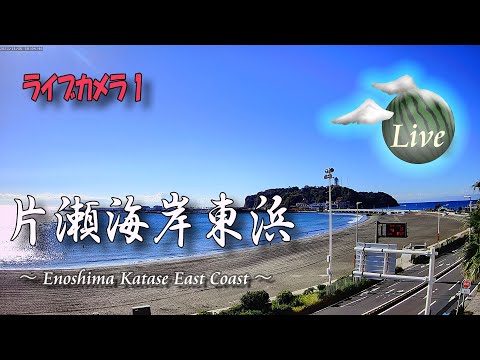
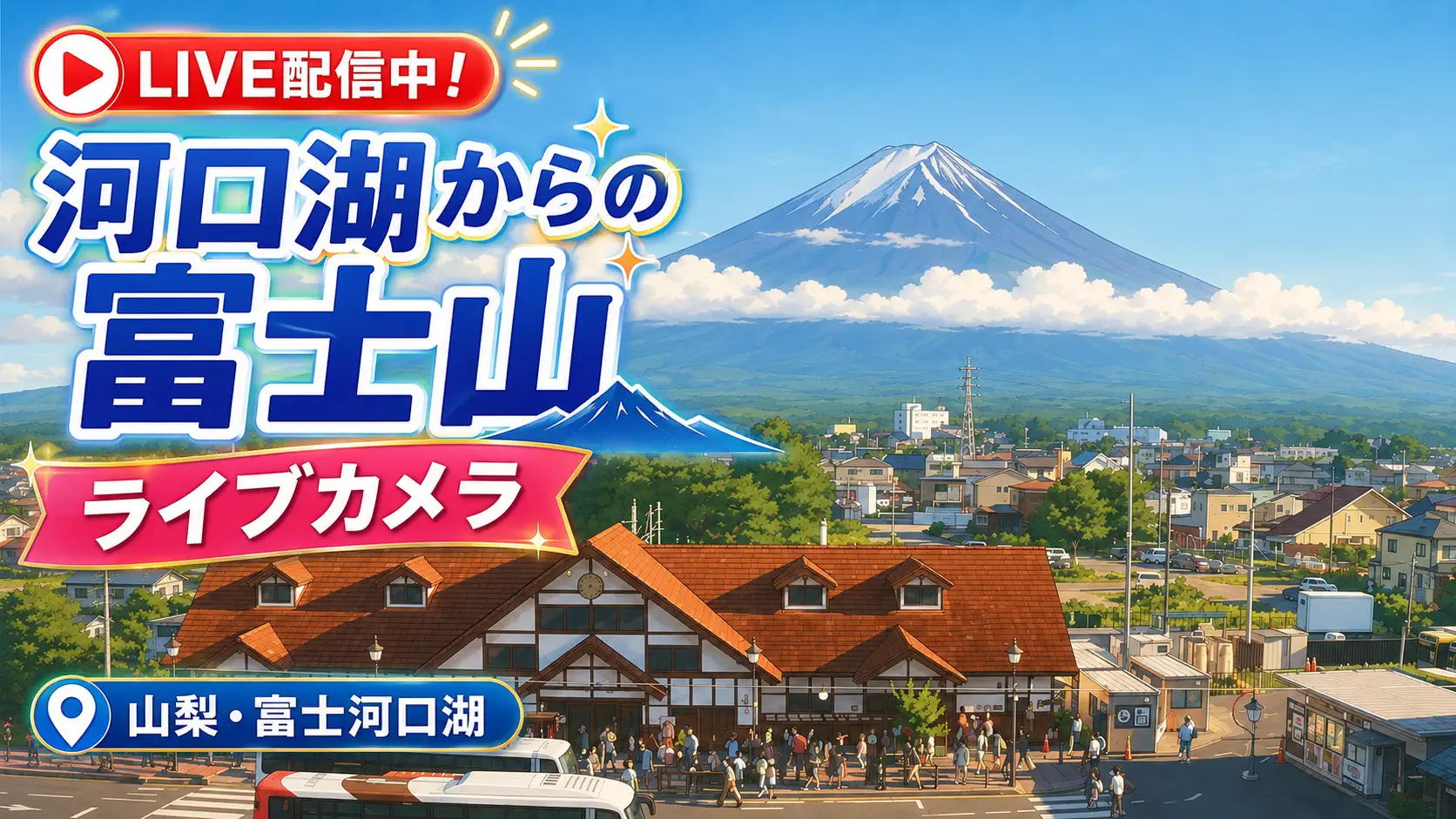
Pair with coastal Kanagawa at Enoshima and Hayama Port, plus inland Fuji drama at Fujikawaguchiko — different distances to the same mountain myth.
One More Reason to Leave It Open
Sorakaze’s green-deck idea is a reminder that sightseeing fleets evolve. Pirate ships sold fantasy; a floating park sells softness. Neither cancels the lake’s older geology. If Fuji refuses to appear, inventory what still does: cedar walls, torii rumour, crossing wakes, passenger jackets zipped against crater wind. A honest Hakone day is often 70% atmosphere and 30% postcard — the livestream is one of the few tools that admits that ratio without a brochure smile.
Frequently Asked Questions
Will I always see Mount Fuji?
No. Clear mornings help; clouds and haze often win. The torii and lake are the reliable characters.
Is Sorakaze the pirate ship?
No — it is a newer green-park style cruise. Pirate ships are separate popular vessels on the same lake.
Where is the peace torii?
In the water near Hakone Shrine / Moto-Hakone area — visible when the cruise angle cooperates.
Is this cam fixed or moving?
Expect a cruise-associated moving viewpoint, not a static dock pole.
Best season for a real Hakone boat day?
Winter clarity for Fuji hunters; autumn for colour; any season if you accept mist as part of the deal.
How long should I leave the stream open?
At least one full cruise-like chapter of changing shoreline — twenty to forty minutes if the feed is moving. Fuji may never arrive; the caldera will still teach you Hakone’s habit of revealing itself in pieces.