

How bad is rainy season in japan is the wrong horror movie. Tsuyu is humid, on-and-off rain — often heavier morning and evening — not a month of solid water. The misery is wet air, not a flood. You still go outside. You just take a compact umbrella and slower plans.
If you packed for dry heat, you packed wrong. The japan summer packing list is the suitcase version of this page. This page is the calendar and the mood.
Does japan have a rainy season
Does japan have a rainy season — yes, in most of the country. It is called tsuyu (梅雨). Fronts stall. The air gets thick. It is not typhoon season (that peaks later) and it is not “Japan is always raining.” Winter Tokyo drizzle is a different weather.
Hokkaido is the famous exception: tsuyu barely applies. Watch the Sapporo cityscape live camera in June and you are often looking at a different season than Kyoto. That is the escape hatch if rain is a dealbreaker.
Okinawa’s tsuyu tends to run earlier. The main islands of Honshu, Shikoku, and Kyushu follow the classic early-June to mid-July pattern, sliding a little by year and by latitude.
When is japan rainy season
When is japan rainy season in the version travelers mean:
- Okinawa: often May into early June
- Tokyo / Kyoto / Osaka: typically early June to mid-July
- Tohoku: later than Tokyo
- Hokkaido: skip the tsuyu frame
The Japan Meteorological Agency declares start and end. Those dates move. Do not tattoo “June 7” on an itinerary. Build indoor backups.
Japan rainy season months are therefore “mostly June, into July, earlier in the south,” not a single national month. May can already feel like the dress rehearsal in the southwest. August is usually heat and typhoon risk, not tsuyu.
Japan rainy season 2025 (ignore the year, keep the pattern)
Searches for japan rainy season 2025 still rank because last year’s roundups never die. Tsuyu in 2026 uses the same logic as 2025: a moving front, a humid corridor, hydrangeas, not a new climate invented by a listicle. Look up the current JMA declaration the week you fly. Do not copy a 2025 end date into a 2026 calendar.
If a blog says “tsuyu is ruined now,” they are selling anxiety. The season still happens. It still ends. Then it gets hot.
How long is rainy season in japan
How long is rainy season in japan — often three to six weeks in a given city, not ninety days of punishment. Some years it feels short. Some years it lingers and the “end” declaration comes while you are still sweating.
A week of tsuyu in Kyoto can still include two bright days. A week can also include one night of serious rain and a lot of sticky gray. Pack for the sticky gray. Enjoy the bright days as stolen.
Mountain days (Hakone, Nikko, Fuji views) lose more than city days. Cloud sits on the view. The Hakone Yusen Sorakaze live camera is how you check whether a Hakone day is a vista or a white room before you buy the Romancecar. Same habit as Fuji: look at a Kawaguchiko cam, then decide.
What it actually feels like
Rain: on and off, sometimes a real downpour, often a drizzle that does not justify cancelling a temple — it justifies the umbrella and the slower photo.
Humidity: the main character. Clothes do not dry. Temples feel closer. You drink more. Japanese vending machine drinks and unsweetened tea are infrastructure.
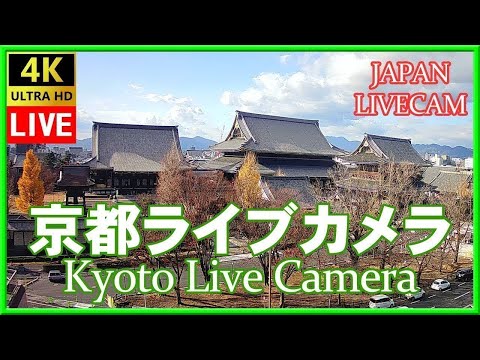
Crowds: thinner at some outdoor sights. That is the gift. The Higashi Honganji live camera on a wet morning is a quieter precinct than a cherry-blossom Saturday. Hydrangeas at temples are the postcard people forget to want until they are there.
Prices: still better than Golden Week and often better than late July. You are not a genius for coming in tsuyu. You are just not competing with every influencer’s sakura week.
What to do instead of cancelling the trip
- Museums, depachika, train-day cities
- Covered shopping streets
- Onsen towns where rain on a wooden gutter is the point
- Food. Tsuyu is an eating season.
- One hydrangea temple, not five
Do not hike a crater rim for the view. Do sit in a garden under an eave. Covered shopping streets and depachika are the city version of that eave.
Shoes: something that dries overnight is a suitcase problem — japan summer packing list. Tsuyu is why that line exists. This page does not re-pack you.
Typhoon is a different plan: watch warnings, allow a spare day, do not treat a cancelled ferry as a personality insult.
Photography in the rain looks better than it feels. If a cam is a white wall, pick a museum. If it is wet stone and umbrellas, go anyway and keep the phone in a bag.
Do not make an outdoor kimono rental your only Kyoto morning in mid-June unless you like wet silk.
Cities that feel different in tsuyu
Tokyo still works: subways, museums, food, damp exits. Kyoto’s outdoor list shrinks and gets quieter — the argument for coming, if you can stand humidity. Osaka street food moves under arcades; a typhoon warning is not the same as drizzle. Hakone and Fuji-view towns lose the fare you paid for a vista — spare a city day, same as the cam check above.
Hokkaido in June is the Honshu-escape, not a magic shield against all rain. Build “two outdoor hopes, three indoor certainties,” not seven viewpoints in a row.
FAQ
Will it rain all day every day?
Usually no. It will feel wet even when it is not raining hard.
Is Hokkaido a cheat code?
For tsuyu, yes. For summer humidity in Sapporo, sometimes still sticky — but not the same season.
Can I see Mount Fuji in rainy season?
Sometimes. Often no. Check cams the morning of. Have a Tokyo backup.
Is tsuyu the same as typhoon season?
No. Tsuyu is the plum-rain front. Typhoons peak later.
Should I skip Kyoto in June?
Only if you cannot stand humidity. The temples are calmer. Bring the umbrella.
Do I need rain pants?
A shell and an umbrella cover most city days. Hiking is a different kit.