A realistic japan summer packing list is less about fashion weeks and more about humidity math. Summer in much of Japan can feel like 35°C with air you can chew. Plans that look easy on a map become slower, sweatier, and more dependent on shade, cold drinks, and fabric that actually breathes. The travelers who suffer most are not underprepared for “hot weather” in the abstract — they packed for dry heat and met a wet blanket instead.
Pack to manage heat, sudden rain, and long outdoor temple or festival days. Then let convenience stores handle emergency top-ups. Your suitcase job is to keep you moving; Japan’s konbini network can refill sunscreen and electrolytes after you land — Pocari and unsweetened tea from the vending machine drinks wall or the convenience store fridge. Documents, cash, and hotel amenity rules live on the base packing checklist; this page is the humidity layer.
Japan packing list summer: fabrics that forgive you
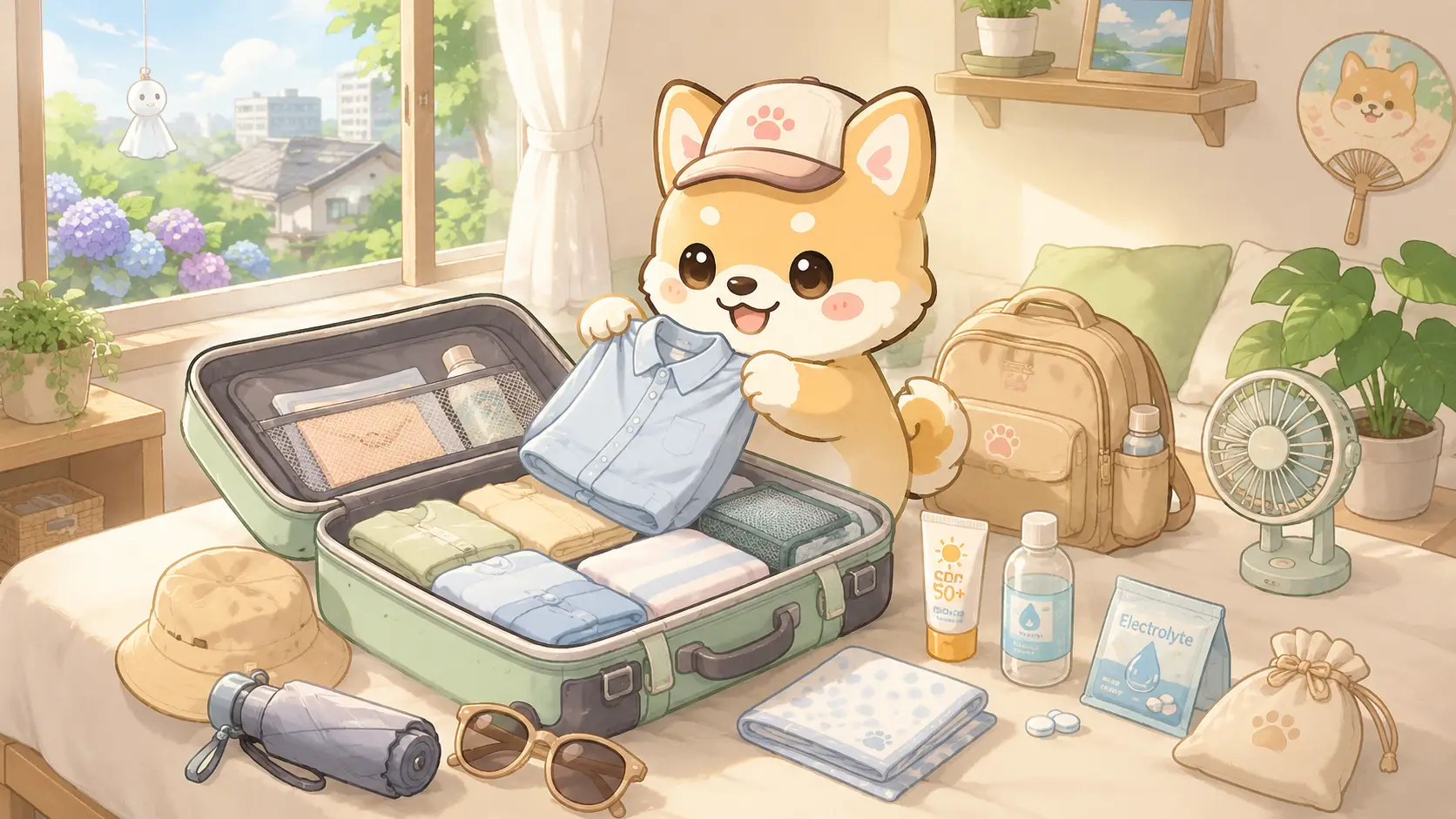
For a japan packing list summer wardrobe, prioritize:
- Breathable shirts (linen blends, lightweight synthetics designed for sweat)
- One spare shirt in your day bag for afternoon resets
- Shorts or airy trousers you can walk in for hours
- A light long sleeve for aggressive indoor air-conditioning and sun cover
- Underwear and socks that dry overnight if you hand-wash
Dark heavy denim and non-breathable “smart” shirts become a personal sauna by noon. If an outfit cannot survive a station transfer plus twenty minutes of outdoor sun without feeling sticky, it does not belong in the daily rotation.
Color matters less than fabric. Pale clothes can feel cooler in direct sun, but a technical dark tee that wicks sweat often beats a thick white cotton shirt that clings when wet. Test what you already own with a brisk walk at home before you dedicate suitcase volume to unproven pieces.
Humidity, pace, and why your itinerary should shrink
Humidity does not just make you damp. It lowers how many neighborhoods you can enjoy before your mood collapses. Build slack into summer days: indoor museums, café breaks, department-store basements, and train rides with cold drinks. A “perfect” schedule that looks efficient on paper can turn into heat-exhaustion theater by 14:00.
Shift hard outdoor sightseeing to early morning when possible. Save covered shopping streets, museums, and food halls for the brutal mid-afternoon window. Evening festivals are magical and still hot — pack for sweat even after sunset.
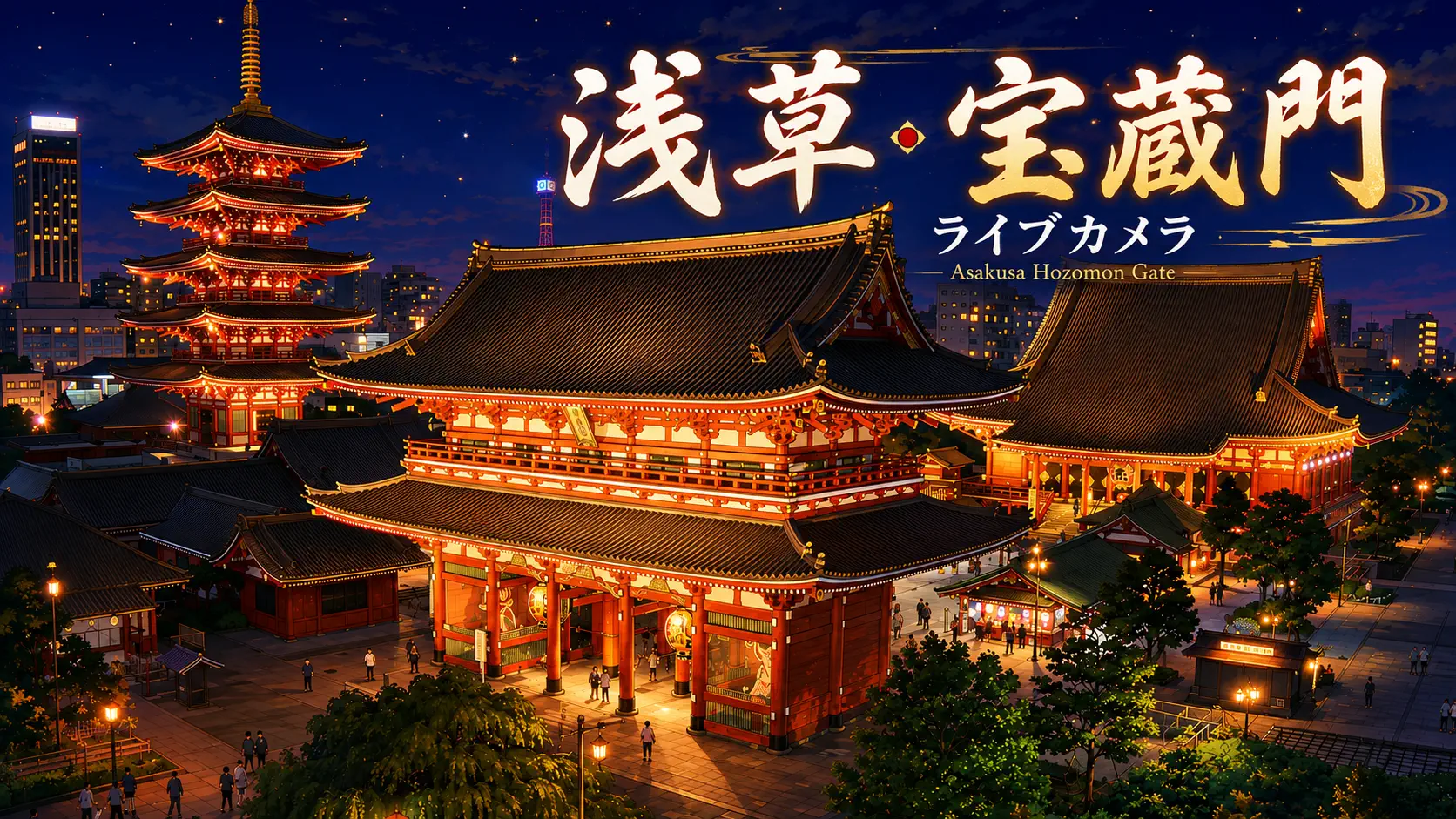
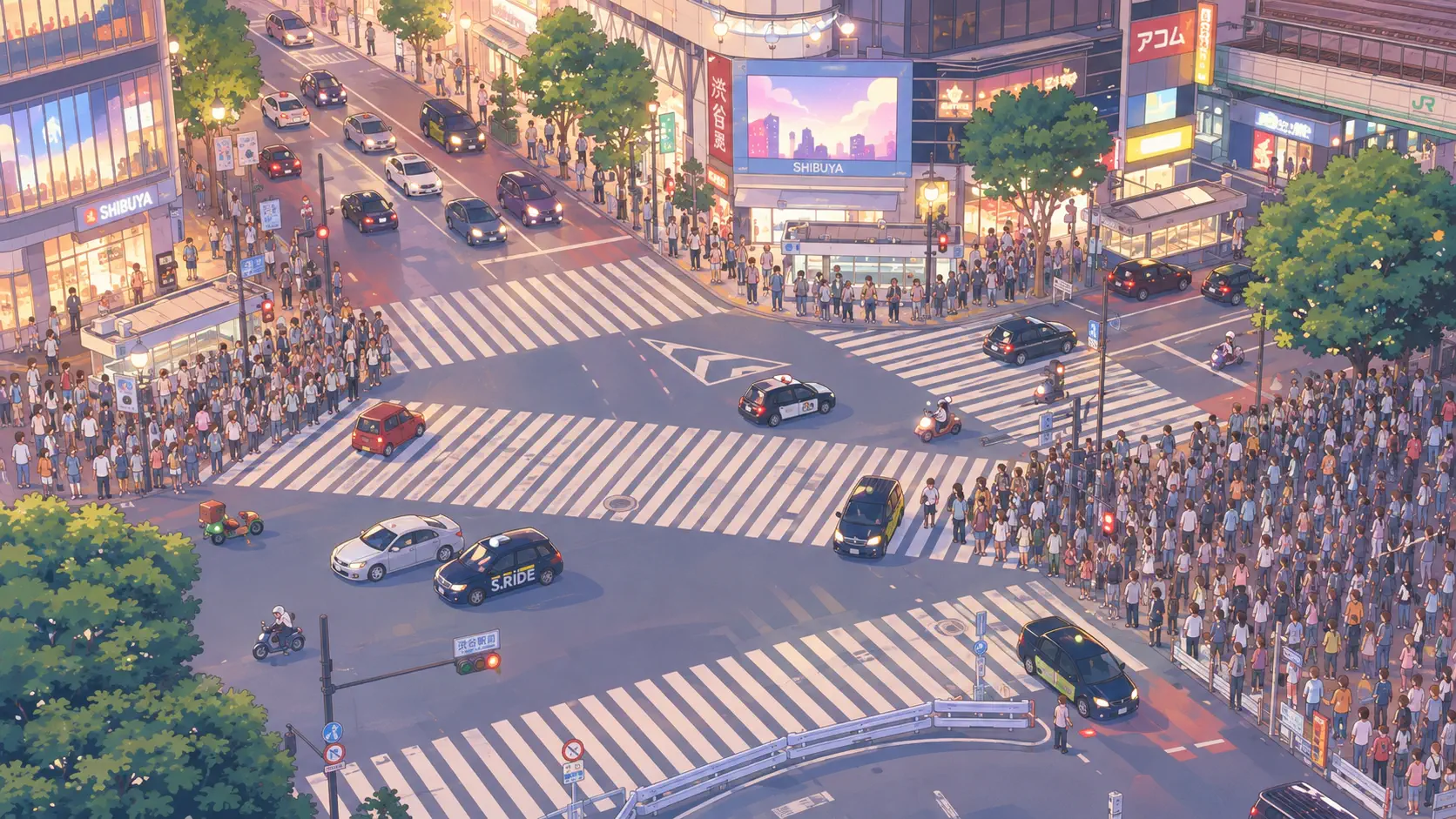
If you want a visual sense of open-air summer crowds and bright street heat before you pack, watch an Asakusa Hozomon Gate live camera on a clear afternoon — or the Shibuya Crossing live camera for scramble-density heat without temple shade. Festival weeks and weekend rushes feel even warmer in person than they look on screen, because cameras do not transmit the wall of humid air between buildings.
Japan packing list june and the rainy season
Japan packing list june planning must include the rainy season (tsuyu) in many regions. How wet it actually is — versus the horror movie — is how bad is rainy season in Japan. That means:
- A compact umbrella every single day
- Quick-dry shoes or a second pair if one gets soaked
- A light waterproof shell (not a winter coat)
- Waterproof phone pouch or zip bag
- Patience for delayed outdoor views
June is not “light rain sometimes.” It can be daily wet. Pack like the sky has a subscription. Soft city sneakers without water resistance will absorb street spray and stay damp overnight in humid hotel rooms.
A rain shell also helps when the forecast says cloudy and the afternoon turns into a vertical shower between subway exits. Carry it even when you feel optimistic. Optimism is not waterproof.
Sun, skin, and Japanese drugstore allies
Summer packing is incomplete without sun strategy:
- High-SPF sunscreen (Japanese drugstore formulas are excellent — you can buy after arrival, but pack enough for day one)
- Lip balm with SPF if you burn easily
- A face towel or small cooling towel
- A hat with a real brim
- Sunglasses
Convenience stores and pharmacies make restocking easy. Your first outdoor morning should not begin with burnt ears. Reapply on long shrine paths and coastal walks; sweat removes product faster than people admit.
If you wear makeup, simplify it for humid days. If you wear contacts, pack glasses as backup for wind, pollen leftovers, or tired eyes after a beach transfer.
Electrolytes, water, and vending-machine logistics
Heat injuries sneak up on travelers who “feel fine” until they do not.
Pack or plan for:
- A refillable bottle
- Electrolyte drinks or packets (vending machines and stores sell Pocari Sweat and similar options widely)
- Salty snacks for long walk days
- A portable battery (heat + maps + cameras drain phones)
You will pass vending machines constantly. Use them. Pride is not hydration. Pair water with electrolytes on the hottest days rather than drinking plain water only and wondering why you still feel wrecked.
Air-conditioned trains feel like recovery chambers. Use that time to drink, cool down, and reset your next outdoor block instead of sprinting between every transfer.
Festival evenings and yukata days
If your summer includes festivals, fireworks, or yukata rental evenings:
- Bring or buy comfortable sandals you can walk in
- Carry a small bag that closes (pickpockets are rare; dropped phones are not)
- Keep a light cardigan for train air-con after sweaty outdoor events
- Expect crowds and slow movement — pack patience more than outfits
A warm evening street scene, whether in Tokyo or further south, rewards breathable clothes and punishes overdressing for photos. If you rent yukata locally, you can leave formal festivalwear out of the suitcase and pack only the sandals and pouch that make the evening comfortable.
Okinawa and southern heat
If your summer route includes Okinawa, raise the breathability bar again. Reef-safe sunscreen matters near water activities. A Kokusai-dori live camera gives a quick read on bright street energy in Naha — useful when you are deciding between one more walking block and an indoor break.
Southern heat also means more laundry. Pack fewer items and wash more often. Throw in a swim outfit if beaches or hotel pools are part of the plan, plus a cover-up for convenience-store runs after swimming. Salt, sun, and sugarcane-soda humidity are a different texture from Tokyo’s concrete heat, but the packing logic is the same: breathe, hydrate, reset.
Day-bag packing for a summer city day
Summer day bags fail when they omit the reset kit: spare shirt, umbrella, face towel, water, sunscreen, and a battery. Add a small trash pouch and a zip pocket for cards. If a backpack sits against sweaty skin all day, switch to a lighter tote or a pack with airflow — fabric choice matters on your back as much as on your torso.
What you can buy after landing
Do not overpack liquids. Sunscreen refill, cooling sheets, electrolyte drinks, insect items, and a backup umbrella are all easy after arrival. Pack the shoes and shirts you trust; let Japan restock consumables. The exception is any sunscreen your skin already tolerates — bring that brand if drugstore roulette worries you.
If your dates sit on the May–June shoulder, skim the March–May packing guide for the light-jacket problem, then keep this article’s rain shell, spare shirt, and hydration habits for the humid half of the day. A japan spring packing list and a summer list solve different failure modes; do not run August on April logic. If the trip ends in cooler September evenings, hand off to the October–November packing guide rather than inventing a fourth humidity system.
FAQ
What fabrics work best for Japan’s summer humidity?
Lightweight synthetics made for sweat, linen blends, and anything that dries overnight. Avoid thick cotton denim as all-day wear.
Do I need an umbrella every day in June?
In rainy-season regions, yes. Even if the morning looks clear, afternoon showers are common.
Can I rely on hotel laundry in summer?
Often yes in cities. Summer is the season to pack light and wash mid-trip.
Should I pack a formal outfit for summer dinners?
Only if you have a specific reservation dress code. Most summer dining is casual; prioritize comfort.
Are cooling towels worth packing?
Yes for long outdoor temple or queue days. They are also cheap to buy after arrival if you forget.
Is Okinawa packing different from Tokyo summer packing?
Similar heat logic, more sun and water-activity focus in Okinawa. Raise sunscreen and hydration priority.