
A practical japan packing list october plan is about layers, not one heroic coat. Autumn is often Japan’s best weather season and one of its hardest booking seasons: mild middays, cool mornings, and evening wind that punishes anyone who packed only T-shirts for “nice fall weather.” October starts the momiji countdown in some highland areas; November spreads red maples across more famous viewing spots.
This guide covers October–November clothing, footwear, a simple leaf-color calendar, and what you can skip because hotels already stock it. For documents, cash, medicines, and the shared shoe rules, use the base packing checklist first — this page is the autumn layer on top. Late-November cold snaps lean toward winter packing; early-October mild weeks still share jacket logic with spring.
Travel packing list Japan: one layering system for both months
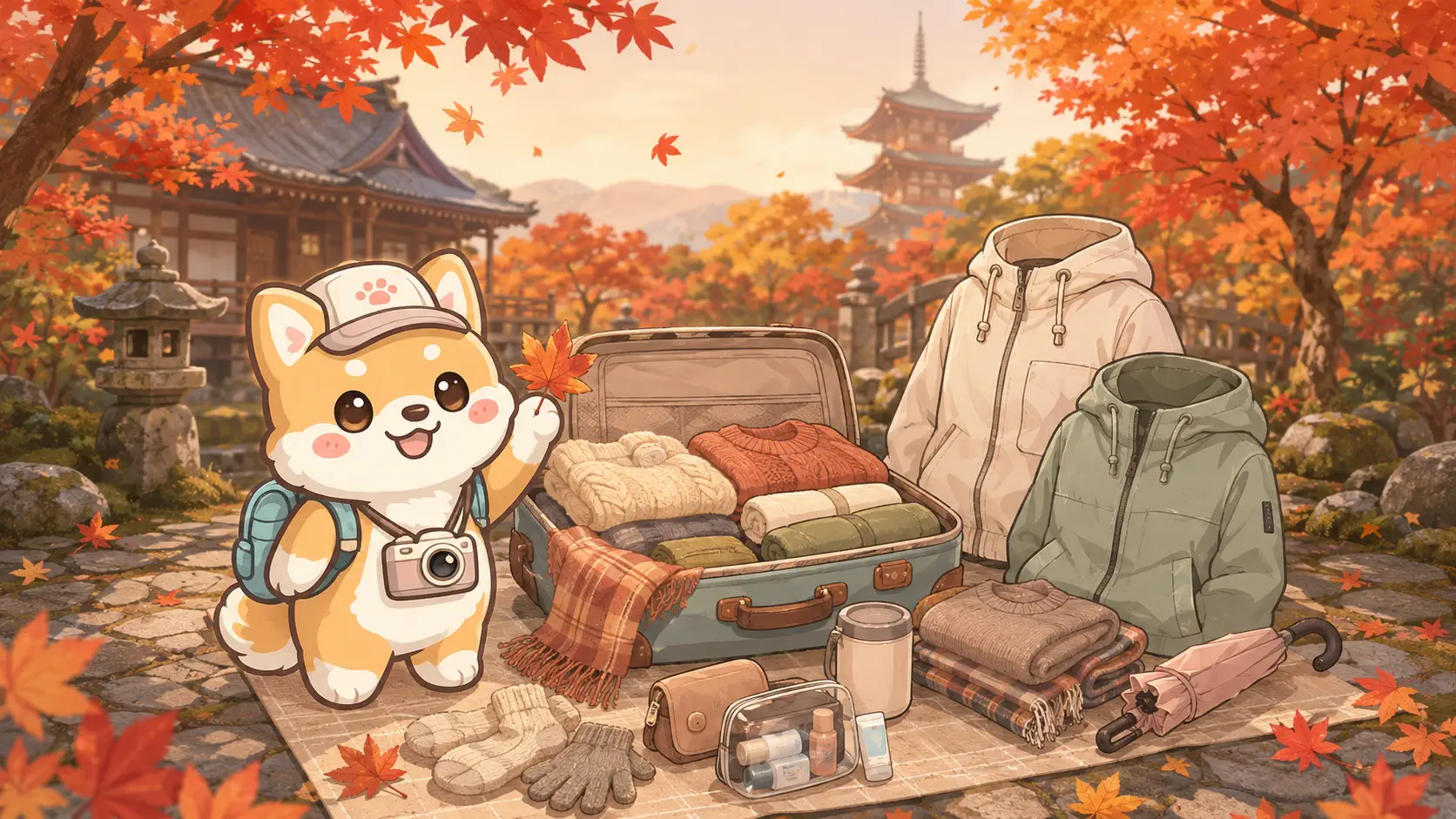
A solid travel packing list japan setup for autumn is three pieces you remix all day:
- Base — breathable shirt or light long sleeve
- Mid — fleece, thin wool, or light insulated vest
- Shell — windbreaker or softshell for platforms, viewpoints, and light rain
Wear the shell at 7 a.m., stash it at 1 p.m., put it back on for riverside photos after dinner. That single habit covers most October city days.
Japan packing list november: what changes after October
A japan packing list november does not need a new philosophy — just one warmer step:
- Thicker mid-layer than early October
- Properly windproof shell
- Light gloves for morning trains if you run cold
- Waterproof shoes or a backup pair for wet sidewalks
- Compact umbrella as a daily default
November adds more unsettled weather and longer outdoor waits under maples. Standing still in a breeze feels colder than walking between stations.
Packing list for Japan in November: shoes and the day bag
A packing list for japan in november should treat footwear as infrastructure:
- Broken-in walking shoes with tread
- Optional waterproof pair when rain is likely
- Blister patches for temple-stair weeks
- Daypack space for the mid-layer you will remove by lunch
Autumn routes mix stone paths, damp leaves, and polished station floors. Smooth fashion soles are how people invent bruises on otherwise perfect days. Pack one tote for snacks and convenience-store picnic runs on leaf-viewing afternoons.
Momiji days: pack for queues, not for fashion weeks
Leaf-viewing is outdoor time. Prioritize:
- A warm-enough base for standing in photo lines
- Hat or beanie for highland viewpoints
- Portable battery (cameras drain phones fast)
- Rain shell even if the morning looks clear
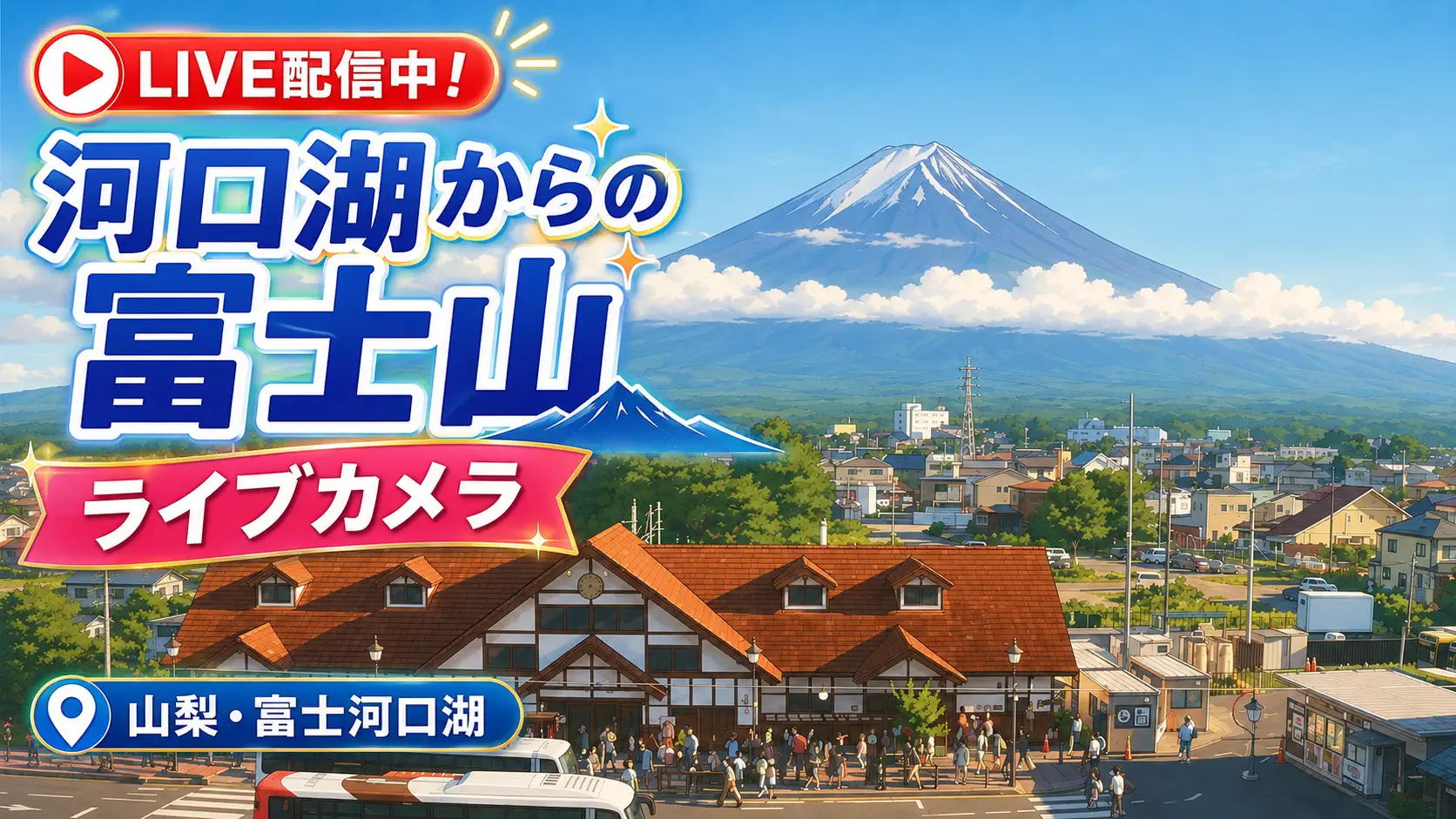
If your route includes Nagano temple towns, a Zenkoji temple live camera helps you read plaza openness and crowd feel before you choose morning warmth. For exposed coastal and pass scenery, the Satta Pass camera shows how windy a “mild city day” viewpoint can look from above. Highland autumn clarity also pairs with Fuji lake light — the Kawaguchiko Mount Fuji camera is worth a glance if your October plan includes a viewpoint day.
Autumn calendar: dress for your week, not a national peak
Exact leaf timing moves every year. Packing logic stays stable:
Early–mid October — highlands and some northern areas start turning; cities can still feel mild at noon; favor a flexible mid-layer over a heavy coat.
Late October — more classic viewing areas enter play; evenings cool faster; the windbreaker becomes non-negotiable for many travelers.
November — peak color spreads, then fades by late month depending on region; cooler mornings and more rain chances; one warmer night outfit pays off.
Do not dress for “peak Japan autumn” as one national date. Dress for the coldest outdoor hour on your actual route that week.
City evenings vs highland day trips
Tokyo evenings are stylish-cold: a jacket over a shirt is usually enough. A highland day trip can feel like another season by lunch. If your itinerary mixes both, pack for the highland version and peel layers in town.
Useful extras that are not a second wardrobe: thin scarf, non-mesh socks, and a cardigan for aggressive indoor heating. Late November viewpoint hunters may want thin gloves once — not three winter coats.
Capsule for 10–14 autumn days
- 5–6 tops that layer cleanly
- 2 walking-friendly bottoms
- 1 warmer mid-layer
- 1 wind/rain shell
- 1 optional nicer top for dinner
- A week of socks/underwear, then laundry
- 1–2 pairs of shoes total
If you run cold, upgrade the mid-layer rather than adding coats. Laundry in Japanese cities is easy; empty tote space for seasonal snacks beats a stuffed sweater cube.
Hotels already cover half the bathroom aisle
Expect slippers, bathroom amenities, hair dryers, and often pajamas or yukata in business hotels. Still pack sleepwear you like, moisturizer for drier air, prescriptions, and the shoes you trust. Autumn packing fails when people rebuild a toiletry shop and forget the windbreaker.
Peak season changes behavior, not just outfits
Autumn crowds mean more outdoor waiting and more walking to plan-B viewpoints. Pack battery and patience. Skip the three “nice dinner jackets” you will never wear while hunting a free maple angle under streetlights.
Travelers from humid summers often underpack for sunset chill — leave the summer packing list behind once evenings cool. Travelers from cold climates often overpack winter bulk unused in Tokyo; save the winter guide for true snow nights. Aim for wind protection, warm extremities, and laundry — not a second suitcase.
Day-of packing order for autumn departures
Build the suitcase in this order so wind and rain layers do not get buried under souvenirs you have not bought yet:
- Walking shoes on your feet for the flight or in the personal item
- Wind shell rolled where you can grab it after landing
- One mid-layer and two base tops within reach for temperature swings
- Umbrella and light gloves in an outer pocket
- Toiletries compressed after you confirm hotel amenities
Leave empty volume for maple-season snacks and a thin souvenir layer — autumn trips fail when the bag is full on day one and the jacket ends up in checked luggage you cannot access during a cold transfer.
Color and laundry notes unique to foliage season
Dark earth tones hide dust from temple paths; one brighter layer helps you spot your group in crowded stations. Pack laundry sheets sized for hotel sinks rather than assuming every stay has a coin laundry nearby during peak weekends. Two thin socks pairs beat one thick pair you refuse to wash. If you photograph a lot outdoors, a microfiber cloth for lenses matters more than a fourth scarf.
FAQ
Is October warm enough for T-shirts only in Japan?
Midday sometimes yes in cities. Mornings and evenings usually need a layer.
How is November different from October for packing?
Cooler nights, more rain readiness, and a thicker mid-layer.
Do I need a heavy winter coat for momiji trips?
Usually no for city-plus-day-trip plans. Windbreaker plus mid-layer covers most people; late November highlands may need more.
What shoes work best for autumn temple walks?
Broken-in walking shoes with grip; waterproof backup if rain is forecast.
Should Kyoto and Tokyo packing differ in autumn?
Same system. Kyoto temple mornings outdoors can feel cooler — keep the shell.
Can I buy a jacket after arrival if I underpack?
Yes in big cities, but peak autumn shopping costs time. Pack one good layer first.