
A good japan packing list spring plan assumes the weather will lie to you politely. Midday can feel like a gentle +18°C postcard while evening drops toward +6°C, and mountain areas may still hold snow when city parks are pink with sakura. Pack a light jacket even in April, think in layers, and leave room in the suitcase for the tote you will fill under blooming trees.
This guide breaks spring into March, April, and May — and includes the cedar pollen problem almost nobody mentions until their first Tokyo morning feels like allergy season with better trains. Spring is beautiful and administratively sneaky: the photos look soft, the wind does not. For deep-snow or onsen-heavy March routes, borrow layers from the winter packing guide; for humid May spillover, skim summer; for momiji season later in the year, jump to October–November packing.
Packing list for Japan in March: late winter habits
A packing list for japan in march should still respect cold mornings:
- Warm mid-layer (fleece or light wool)
- Windproof outer layer
- Scarf or neck warmer for platforms
- Closed walking shoes with grip
- Compact umbrella
March can include plum blossoms in some areas and early sakura in others, but it is not summer-adjacent packing. If you run cold, keep winter base layers for northern or highland days — or open the japan winter packing list when the itinerary still looks like snow country. City department stores will be warm; outdoor queues will not care.
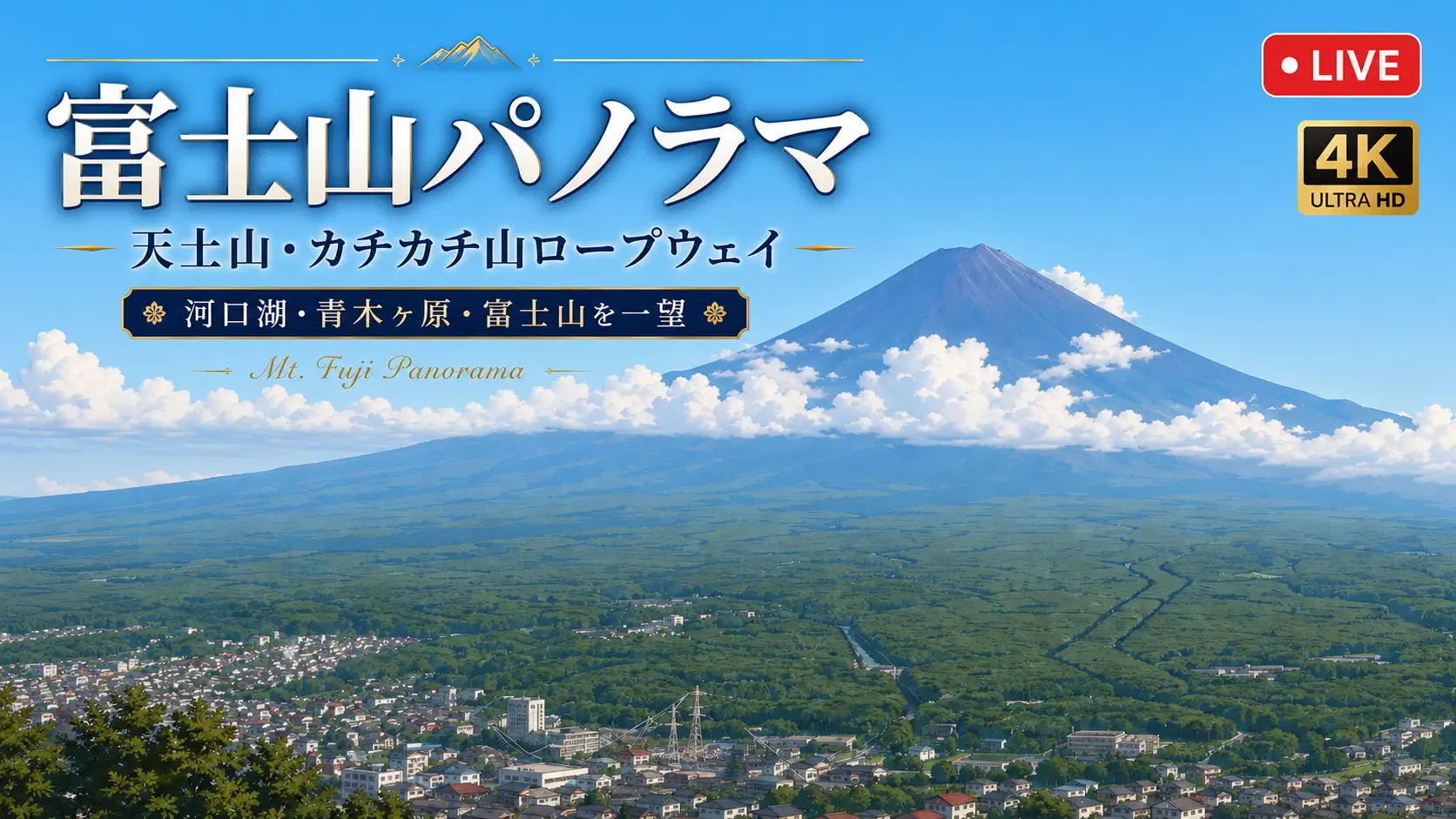
Mountain views remain a weather lottery. A Mount Fuji panorama live camera is worth checking before you pack only city shoes for a highland side trip — March snow and ice are still in the conversation at elevation. If the camera shows a clear cone above a cold-looking ridge, assume your footwear needs more tread than café sneakers provide.
Packing list for Japan in April: sakura season layers
April is the month people underpack — and the month the light-jacket rule matters most.
For a packing list for japan in april, bring a lined or light insulated jacket over a day shirt, one warmer option for night hanami and river winds, a compact umbrella, and a portable battery for peak-week maps and photos. Forecast highs ignore bridge wind, observation decks, and the minutes you stand still in photo lines. Stillness in a breeze feels colder than walking between stations. Choose a jacket that also fits under a thin rain shell when showers arrive; that combo covers most April surprises without a shopping panic in Shinjuku.
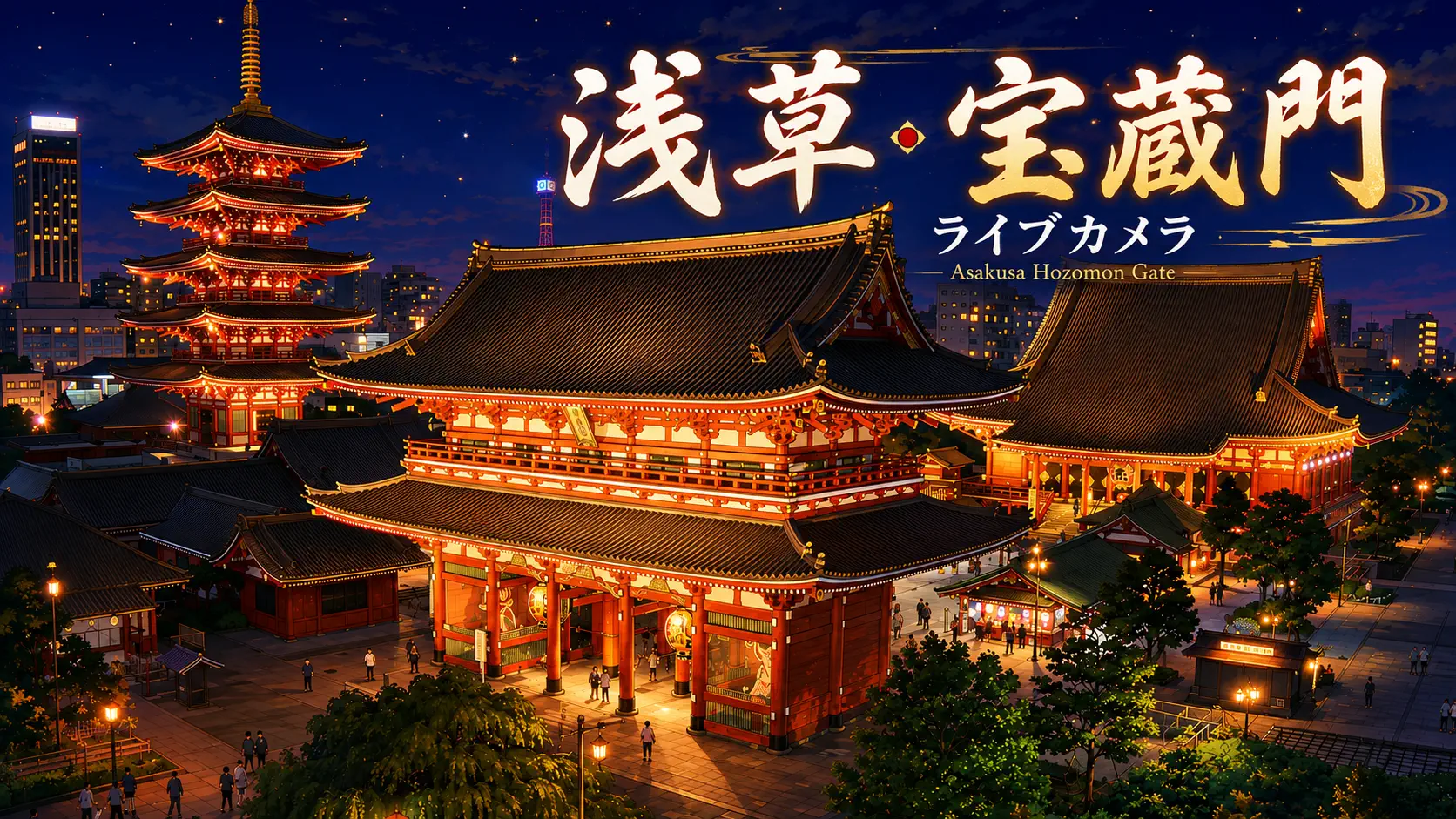
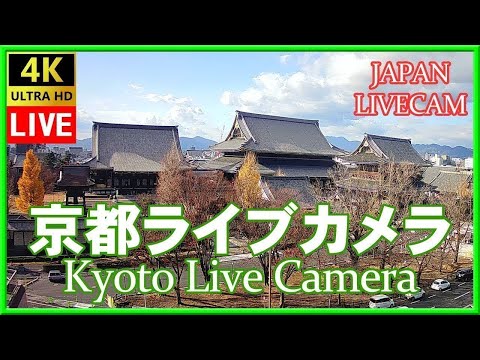
Kyoto mornings can feel especially sharp before temples fill. A calm preview of open plaza light around Higashi Honganji will not show temperature, but it will remind you how much of the day happens outside buildings. Pack for the minutes between gates, not only for the time inside halls. Tokyo spring crowds look gentler on a screen than they feel in a queue — the Asakusa Hozomon Gate live camera is a useful density check before you decide how many layers to carry for standing still outdoors.
Japan packing list march details people forget
Beyond clothes, a japan packing list march should include:
- Allergy supplies if you react to tree pollen
- Moisturizer for dry wind
- A foldable tote for picnic supplies during early bloom stops
- Offline screenshots of bookings (spring crowds stress hotel WiFi)
March is also when some travelers still mix ski-town leftovers with city plans. If your route jumps climates, pack the colder end of the spectrum and peel layers in town. It is easier to carry a mid-layer in a tote than to buy an emergency coat during a Saturday rush in Shinjuku.
Document copies and offline tickets matter more in spring peak weeks. Networks get busy, hotel lobbies get crowded, and you do not want your first conversation with a front desk to begin with a spinning loading icon.
Japan packing list may: warmer days, cooler tricks
Japan packing list may energy is lighter:
- Breathable shirts
- Light jacket for evenings and air-conditioned indoor spaces
- Rain layer for lingering showers
- Hat for stronger sun
- Walking shoes you trust for longer daylight hours
May often feels like the friendliest spring month for packing volume. You can reduce bulk, but do not delete the evening layer. Temple interiors, buses, and late river walks still cool down. Longer daylight also tempts longer walking days — which means blister risk returns even when the coat stays in the bag.
If your May dates brush against early heat spikes, keep one technical tee that can handle humidity — and treat the summer packing list as the next stop if forecasts already look sticky. Spring and early summer can overlap locally without asking your suitcase for permission.
Packing list for Japan in may: festivals and green season
A packing list for japan in may may also include:
- Outfit that can handle Golden Week crowds if your dates overlap
- Extra patience and portable battery
- Light rain protection for travel days between cities
Green season landscapes are lush; sidewalks are busy. Pack for movement and weather swings, not for a single perfect temperature. Golden Week in particular rewards travelers who pack mentally for queues: water bottle, battery, light layers, and shoes that do not punish standing.
Festival-adjacent May days can look like summer evenings. Keep the jacket anyway for the train home when air-con is set to “arctic office.”
Cedar pollen: the spring problem guidebooks skip
From roughly February into April, cedar pollen (sugi) affects many regions, especially around Kanto. Travelers who never have allergies at home sometimes get ambushed by itchy eyes, sneezing, and that “why am I exhausted” feeling after outdoor mornings.
Consider packing:
- Your usual antihistamine if you have one that works for you
- Spare contact lenses or glasses if pollen irritates your eyes
- A simple mask for rough air days (also useful on crowded trains)
- Eye drops you already tolerate
This is not medical advice — it is packing realism. If you know you are pollen-sensitive, treat spring Japan like allergy season with exceptional public transport. Check daily pollen forecasts the way you check rain. Clear blue sky can still mean a rough air day.
Shoes, laundry, and suitcase space in spring
Use the base japan packing list for documents, cash, hotel amenities, and the broken-in shoe rule — spring does not reinvent those. What changes is wet–dry rotation: let soaked sneakers dry overnight instead of sealing them in plastic, plan laundry after a week so you do not pack fourteen versions of the same layer, and leave one cube empty for seasonal sweets and ceramics. Peak bloom shopping is real; night-three suitcase tetris is optional.
Day bag for sakura weeks
Peak bloom day bags are built for standing still: jacket, battery, water, tissues, compact umbrella, a wipe cloth if you sit anywhere public, and offline ticket screenshots. Crowds make simple tasks slower. Packing for delays is packing for spring.
FAQ
Is April warm enough to skip a jacket in Japan?
Often no. April days can feel mild while evenings and shade lines feel cold. Pack a light jacket.
What is the biggest packing difference between March and May?
March needs warmer mid-layers and more wind protection. May leans lighter, with more sun and rain flexibility.
Should I pack differently for Kyoto versus Tokyo in spring?
Similar layering logic. Kyoto mornings and temple time outdoors can feel cooler; keep the jacket.
Do I need winter boots for spring mountain trips?
If your itinerary includes high elevation in March, check conditions. City sneakers are not enough for icy highland paths.
Can I buy allergy medicine in Japan if I forget it?
Many options exist at pharmacies, but packaging and ingredients differ. If you rely on a specific medicine, pack it.
How much should sakura crowds change what I pack?
More battery, better shoes, and layers for standing outdoors. Crowds change time outside more than they change fashion.