
Day trips from tokyo in winter trade humidity and foliage crowds for colder platforms, possible snow, and — on the right mornings — some of the clearest Mount Fuji views of the year. Winter is not “closed season” for day travel from the capital. It is a different toolkit: earlier sunsets, icy side paths, steaming onsen towns, and weather that rewards people who check cameras before they commit.
This guide focuses on winter-fit destinations and cold-day tactics. For a season-agnostic shortlist, see the best day trip hub. For rail timing and half-day windows, use the train day-trip guide.
Day trips from Tokyo winter: what changes
Day trips from tokyo winter planning differs from spring and autumn in four ways:
- Daylight ends earlier — turnaround times move forward.
- Platform wind bites — layers matter more than a single heavy coat fashion pose.
- Mountain roads and paths can ice — shoes with grip beat cute leather soles.
- Fuji visibility often improves — cold dry air helps, but clouds still win some days.
Pack heat packs (kairo), gloves you can use with a phone, and a compact umbrella for wet snow. Buy extra kairo at a convenience store if the forecast turns mean.
Winter day trips from Tokyo that earn the fare
Kusatsu Onsen — steam as the destination
Winter day trips from tokyo rarely feel more “worth it” than a hot-spring town when the air is sharp. Kusatsu’s Yubatake field dumps heat into the streetscape; winter makes that contrast theatrical. Watch the Kusatsu Yubatake live camera and the Kusatsu Onsen gate camera for crowd and weather mood before you lock a bus connection. Public baths and town walks are the point — not a checklist of ten temples afterward.
Allow generous transfer time. Winter traffic and cautious driving on mountain approaches can stretch the day.
Nikko in snow — shrines with quieter edges
Snowy Nikko photographs beautifully and walks carefully. Steps get slippery; shaded paths stay cold after noon. Leave early, prioritize the main shrine area, and do not force every waterfall if daylight is short. Winter weekdays can feel calmer than autumn foliage weekends — one of the season’s real gifts. Full shrine-versus-Chuzenji cuts for any season live in the Nikko day trip guide.
Chichibu and nearby hills — cold air, shorter hops
When you want a winter reset without a full mountain expedition, Chichibu-area days offer shrines, river towns, and occasional ice events depending on the year. Confirm local event calendars; do not assume every winter festival runs every week.
Fuji viewpoints — winter’s statistical kindness
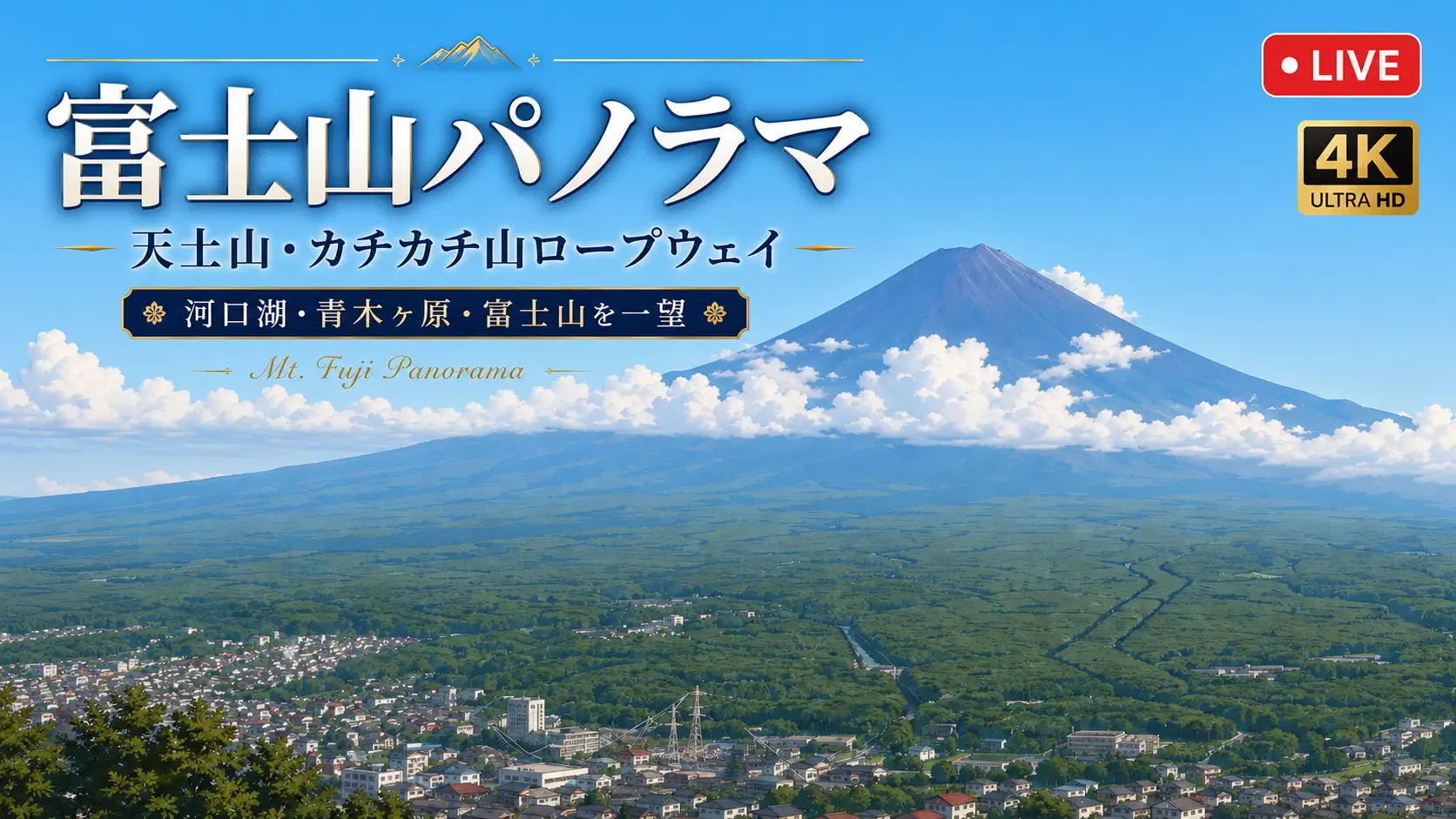
Clearer air means more “yes” mornings than muggy seasons — not a guarantee. Before a Kawaguchiko or Hakone Fuji chase, open a Mount Fuji panorama live camera. If the cone is a gray wall at 7 a.m., switch to Kusatsu steam or Kawagoe streets while you still can. When the cams say yes, use the Kawaguchiko day trip guide for bus-versus-train and loop order.
Cold-start timetable (steal this)
- 06:30–07:00 — leave the hotel with breakfast already eaten
- Morning — main outdoor sightseeing while light and energy are high
- Early afternoon — warm food, indoor museum, or onsen soak
- Mid-afternoon — begin the return before blue hour panic
- Evening — Tokyo dinner, not a desperate last bus negotiation in the hills
Winter day trips punish bravado after 15:00 more than summer trips do.
What to wear without overpacking
- Warm mid-layer + wind shell
- Hat and gloves
- Waterproof or water-resistant walking shoes with tread
- Spare socks in the daypack
- Heat packs for lower back or toes (follow package instructions)
- Portable battery — cold drains phones faster
You do not need a ski-expedition suitcase for a Tokyo-based day. You need dry feet and wind protection. Photograph less with bare hands outdoors; shorter sessions beat numb fingers. If your wider trip is winter-heavy, the japan winter packing list covers multi-day layers; this page only cares about surviving one outbound and return. Screenshot final bus-stop names offline — gloves and cold batteries fight you when characters matter most.
Onsen-day etiquette in brief
- Wash before entering the bath
- No swimsuits in traditional baths
- Keep small towels out of the water
- Tie long hair up
- Quiet voices — winter steam densifies sound
If you only have a foot bath in town, still treat the space respectfully. The goal is warmth and pace, not a checklist photo with wet phone risk.
When to skip a winter day trip
- Ice storm warnings on your mountain route
- You woke up already exhausted after a late Tokyo night
- Fuji is the only acceptable outcome and cameras show soup
- Your shoes are smooth-soled fashion experiments
A museum day in Tokyo is not failure. It is weather literacy.
Pairing winter trips with a multi-day plan
If your Japan trip is longer than a long weekend, place the onsen day after a hard city stretch, not after a late karaoke night. Steam hits better when you arrive already cold from intentional outdoor time, not from sleep debt. Fuji attempts belong on the morning with the best camera read, even if that means rearranging a shopping day.
Food strategy in the cold: eat a hot sit-down lunch early, carry a sweet and water, and do not rely on a single mountaintop cafe that might have a line. Convenience stores at gateway stations are part of the plan, not a failure of taste. If you soak in an onsen, rehydrate and move carefully on wet stone — winter exits from baths are slippery and bright.
If snow starts mid-afternoon, abandon the bonus viewpoint and protect the return connection — winter schedules can thin, and missing the comfortable train turns a good day into a taxi story you will not enjoy telling. Better a complete town walk than a heroic almost.
Sunset in midwinter can arrive before 17:00 depending on the calendar. Treat “golden hour photos on the mountain” as optional, not owed. Indoor foot baths, station noodles, and an earlier Tokyo evening often create a better memory than a blue-hour scramble on ice. The souvenir shop will still be there next winter; the last bus will not wait for your playlist.
FAQ
Are day trips from Tokyo in winter worth it?
Yes — especially for onsen towns and clearer Fuji odds. Dress for wind and leave early.
Is Kusatsu doable as a day trip in winter?
Yes with an early start and realistic bath-and-town focus. It is a long day; do not add three side stops.
Will Mount Fuji be visible in winter?
More often than in humid months, not always. Check live cameras the morning you go.
Do I need snow boots?
Grippy waterproof walking shoes suffice for most town and shrine paths. Full snow boots depend on deeper mountain plans.
Are winter weekends crowded?
Popular Fuji and onsen days still fill. Weekdays are kinder when your schedule allows.
Can kids handle winter day trips?
Yes on shorter, flatter plans with warm indoor breaks. Long mountain bus chains test patience faster in the cold.