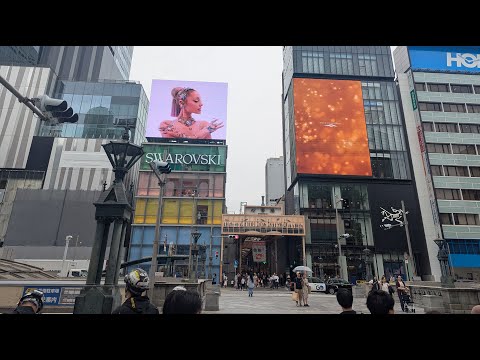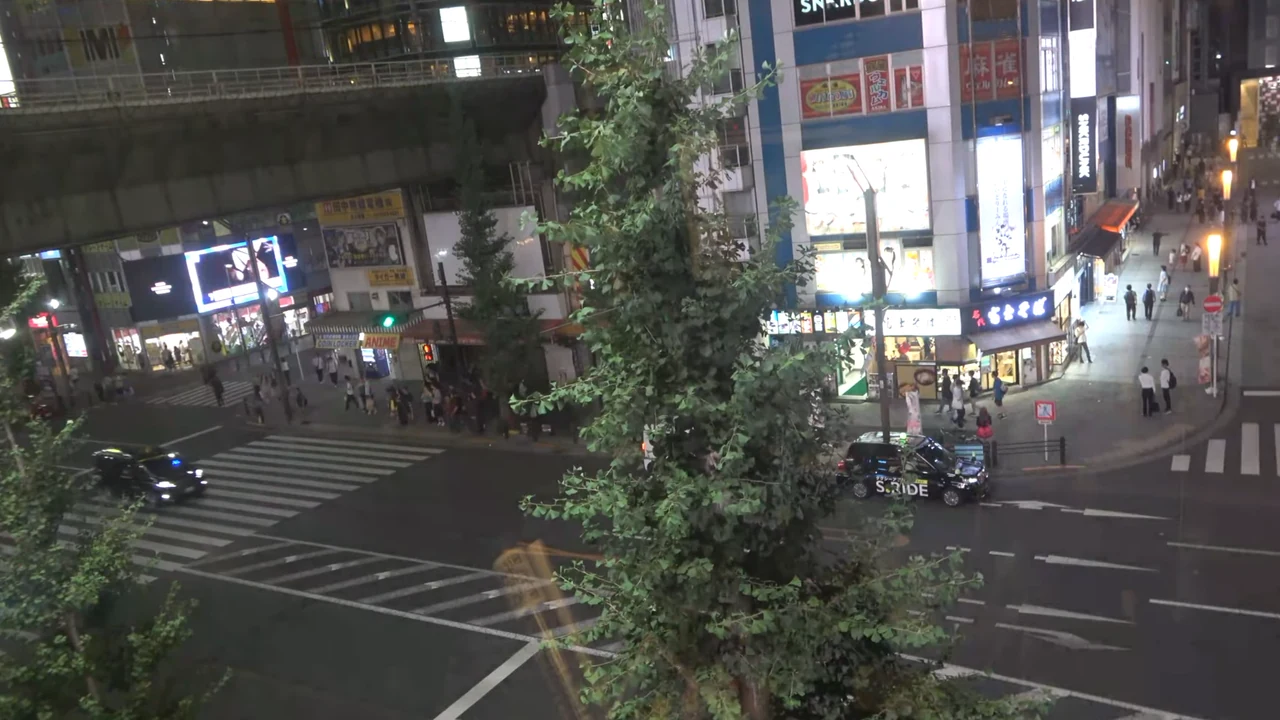

Osaka does not apologize for volume. Dotonbori is the city’s loud thesis statement: canal water, bridge bottlenecks, street food steam, and a running man who has been finishing a race on the skyline since 1935. A live camera pointed at the Glico sign and Ebisu Bridge is not subtle tourism. It is a continuous sample of Minami energy — the southern commercial heart where Osaka jokes, eats, and poses in the same breath.
About This Live Camera
The stream looks across the Dotonbori canal scene toward the iconic Glico display and the pedestrian crush on Ebisu Bridge (Ebisubashi), linking shopping spines toward Shinsaibashi-suji and Ebisubashi-suji. Expect neon layers, tourist photo clusters, occasional boats, and the bridge’s stop-start human tide. Night is the brand; day is the honest B-roll when you can actually see faces and food signs without pure glare.
Uptime varies. Rain turns the canal into a mirror. Typhoon edges empty the bridge faster than any staff announcement.
What You Can See in the Live View
The Glico Running Man — arms flung, finish-line pose — is the vertical star. Today’s sign is the sixth generation, an LED face installed in the 2014 era after decades of neon ancestors. The first 1935 tower stood about 33 meters tall; later generations changed height, framing, fountains, stages, and Osaka landmark backdrops. What never left is the runner as shorthand for energy, forward motion, and “one candy, three hundred meters” snack mythology tied to Ezaki Glico’s Osaka roots.
Below: Ebisu Bridge as social valve. Everyone who wants the classic photo funnels here. That concentration is why founder-era logic preferred Dotonbori over a dispersed Ginza corner — bridges gather eyes. Watch the pose economy: victory stance copies, group selfies, umbrella traffic negotiations, and the rare local cutting through without looking up.
Where Is Dotonbori?
Dotonbori runs through Osaka’s Minami district, a short walk from Namba’s rail knot. The canal is both tourist stage and leftover urban water logic. Shinsaibashi’s covered shopping artery feeds one approach; Ebisubashi-suji and side alleys feed another. You are in Chuo Ward’s entertainment-commercial mash, not a quiet heritage precinct pretending otherwise.
History: Canal Town, Neon Arms Race, Runner Myth
Dotonbori’s flashy sign culture predates and surrounds Glico; the district learned electric spectacle early as theater and commerce overlapped. Glico’s first neon arrived in 1935, then vanished into wartime scrap drives around 1943. Postwar returns stacked generations: stage-era second sign, fountain third, photo-magnet fourth, Osaka-skyline fifth, LED sixth. Each rebuild is a chapter in how brands become landmarks when a city adopts them as self-portrait.
The runner pose became film grammar for “we are in Osaka.” That is rare advertising success: the product remains, but the city owns the image.
Why This View Is Famous
Because it is instantly readable worldwide. Because the bridge creates a natural amphitheater of phones. Because Osaka’s food culture — takoyaki, okonomiyaki, kushikatsu within smelling distance — turns the visual into a full-sensory rumor even through a silent stream. And because the canal prevents the street from becoming a pure canyon; water gives the neon somewhere to reflect.
Daily Life Around the Camera
Morning can look almost hungover-quiet compared with midnight. Midday fills with tour groups and shopping bags. Evening ignites. Late night is when Dotonbori becomes pure theater — less errand, more pilgrimage to light. Weekdays still busy; weekends rewrite density definitions.
Rain is cinematic. Summer humidity softens edges. Winter clear nights make LED bite harder against dark jackets. After a brief cloudburst, the bridge becomes a lacquered stage and every phone screen turns into a second neon source. That feedback loop — light photographing light — is modern pilgrimage aesthetics in under a minute.
Best Time of Day to Watch
- After dark: classic postcard mode
- Blue hour: best balance of sky and sign
- Weekend evenings: maximum human weather
- Rainy nights: reflections upgrade
If you want architecture of crowd flow, watch a scramble of umbrellas on the bridge. If you want the sign alone, hunt a rare thin early morning. Serious fans of the district sometimes watch the minutes just after last trains thin out — when neon still works overtime but the bridge finally remembers how to be a bridge.
Best Seasons and Weather
Any season works; this is artificial light country. Summer festivals and tourist peaks thicken the bridge. Autumn evenings are comfortable for real visitors standing in the same frame you are watching. New Year and Golden Week produce suitcase choreography. Typhoon warnings are ethical watch days — drama with real stakes for people on the street.
Events and Celebrations
Dotonbori’s calendar is continuous commerce plus spikes: sports victory nights, countdown energy, food festival overflow, and viral ad swaps on neighboring boards. When Osaka celebrates, this canal often inherits the noise. The Glico face itself can host special content; the runner remains the constant mascot beneath temporary skins.
Getting There
Rail into Namba / Shinsaibashi / Nipponbashi clusters, then walk toward the canal and Ebisu Bridge. The photo point is obvious once you see the runner. Accessibility is urban-dense rather than barrier-free paradise; crowd pressure is the main obstacle. Remote watching helps you decide whether tonight is a “stay ten minutes and leave” night or a “lean into the chaos” night.
Interesting Facts
- First Glico Dotonbori sign: 1935; current generation is the sixth (LED era from 2014).
- Original tower height lore: about 33 m — taller than many visitors assume of today’s face.
- Wartime removal fed scrap drives; the runner had to earn a postwar return.
- Ebisu Bridge’s funnel effect was part of the original site logic versus Ginza.
- Neighboring spectacle (giant crab signs, Don Quijote tower energy) makes this a skyline of competing logos — Glico still wins the silhouette contest.
How to Watch Without Only Counting Tourists
Watch locals move differently — shorter pauses, less victory pose, more “this is just the bridge home.” Watch boat wakes rearrange neon. Watch how quickly a thin crowd becomes a thick one after sunset. Dotonbori’s true subject is tempo, not only the runner’s frozen sprint.
Return at the same clock time on different days of the week. Monday 21:00 and Saturday 21:00 are different cities wearing the same signs. That comparison is the hidden feature of any good landmark webcam.
Osaka Hunger Beside the Sign
Even without smellovision, the stream hints at why people endure the crush: this neighborhood sells appetite as identity. Between Glico poses, the human tide is often negotiating which alley to eat in next. That hunger is Osaka’s soft power. Tokyo can feel cooler; Dotonbori feels like it wants you fed before midnight.
Stay long enough and you will notice micro-cultures on the bridge: the professional photographer with a real camera waiting for a one-second gap; the school trip moving as a single organism; the couple arguing gently about where to stand; the vendor glance from below when boat traffic allows. Neon is the costume. Crowd physics is the plot. If you only screenshot the runner, you missed half the broadcast.
Dotonbori’s canal also keeps the scene from becoming pure street canyon. Water buys reflection, depth, and the occasional boat that cuts a moving highlight through static signage. On the best nights the whole corridor feels like a theater set that forgot to call “cut.” On the most honest mornings it looks like a street that has work to do before the costume goes back on. Both versions are Osaka.
Protect some of those evenings on purpose — day trips from Osaka explains radial escapes that should not erase Dotonbori nights, and the two-week Japan cost guide helps budget how many neon dinners the trip can afford.
Nearby Live Cameras
Stay in Osaka with Shinsaibashi and Kita Shin-Midosuji, or jump to The Grand Ring for a different contemporary Osaka icon.
Frequently Asked Questions
Is the Glico sign always lit?
It is a landmark display with strong night presence; daytime still shows the runner graphic. Exact lighting schedules can vary.
Which generation is the current sign?
The sixth generation, LED, associated with the 2014 renewal after the fifth neon-era face.
Is Ebisu Bridge only for pedestrians?
It functions as the classic pedestrian photo bridge across the canal in this scene — treat it as foot traffic theater.
Is Dotonbori the same as Shinsaibashi?
Related and walkable, but not identical. Shinsaibashi is the major shopping artery; Dotonbori is the canal entertainment strip the artery feeds.
Why do people copy the runner pose?
Because the sign is a ready-made victory silhouette — advertising that became folk choreography.
Is the canal water deep / can boats pass anytime?
Tour boats and small craft appear when operations allow; the canal is part working waterway, part stage set. Do not treat it as a free swimming postcard.
How crowded is too crowded?
If the bridge becomes a solid cap of heads with no walking lanes, you are watching peak Dotonbori. Real visitors should treat that as a signal to eat first on a side street and return later — or enjoy the chaos as the attraction itself.
Does the sign ever show special animations?
Yes — generations and LED eras have hosted special content and seasonal skins. The runner pose remains the recognizable default brand.