
Hamamatsu is famous for pianos and engines; Lake Hamana adds water and onsen steam. Between them sits Hamamatsu Flower Park — roughly 300,000 m² (about 6.4 Tokyo Domes) of botanical theatre on the Kanzanji shore, opened 10 September 1970 for the city’s 60th anniversary. A moving PTZ live camera near the musical fountain and Crystal Palace greenhouse turns that civic garden into a daily colour channel: water jets on a schedule, greenhouse glass catching sun, and beds that rewrite themselves every few weeks.
Ignore older blurbs that shrink the park to “30,000 m².” Official figures put the site near 300,000 m² with about 3,000 plant species — a scale you feel even when the lens zooms tight on fountain spray.
About This Live Camera
The stream is a PTZ / moving feed focused on fountain close-ups and garden panoramas around the park’s water show zone. Expect choreographed jets, lawn and bed colour, visitor silhouettes, and occasional greenhouse architecture when the camera pans toward the Crystal Palace (~2,161 m²). Shows run on a frequent clock — commonly about every 30 minutes, with a multi-minute performance set to music (repertoire refreshed around the park’s 50th anniversary / 2020 renewal, including pieces tied to Hamamatsu musicians).
Uptime follows park and stream operations, not a promise of 24/7. Rain days trade fireworks of water for soft garden greys — still watchable, differently.
What You Can See in the Live View
Fountain pond drama first: the show pond is on the order of ~2,500 m², billed among the larger fountain stages in the Tokai region. Between shows, still water and waiting crowds. Zoomed frames catch flower textures; wider pans reveal the park’s layered planting — tulip masses in spring, rose and iris chapters later, hydrangea and autumn beds as the year turns. Crystal Palace glass may glint as indoor tropical / themed exhibits continue when outdoor weather sulks.
Flower Train vehicles and family groups appear as seasonal density rises. Night openings in cherry and Christmas periods add illuminated chapters if the stream is live then.
Where Is Hamamatsu Flower Park?
195 Kanzanji-cho, in what visitors still navigate as the Lake Hamana / Kanzanji Onsen resort belt of Hamamatsu, Shizuoka Prefecture (administrative ward names have shifted with city mergers; the lake edge identity remains). Lake Hamana is a brackish lagoon famous for eels, resorts, and wide skies. The park was built to promote floriculture and deepen Kanzanji tourism — not as a downtown pocket garden, but as a destination day out.
Hamamatsu city proper (central Kajimachi, station, Yamaha/Kawai industrial pride) sits inland-east of this lake stage; many visitors combine both in one trip.
History: Anniversary Garden, Greenhouse, Fountain Era
Opened 1970 as a municipal anniversary project: flowers as civic soft power beside hot springs. Decades of planting built signature gardens — cherry-and-tulip fame, wisteria, roses, iris fields, native azalea slopes, plum groves. The Crystal Palace large greenhouse (name nodding to London’s exhibition palace) was renovated around 2003, organizing indoor worlds such as seasonal Garden Theater displays plus Bali and Mexican climate gardens. Fountain infrastructure and shows were renewed toward 2020, tying water choreography to Hamamatsu’s self-image as a city of music.
The webcam inherits that stack: horticulture + spectacle + municipal branding, streamed.
Why the Park Is Known
Scale and seasonality. Marketing leans on “cherry and tulip” spring drama, but the real reputation is year-round rotation — you can arrive in any month and still find a thesis of colour. Families ride the Flower Train; photographers chase golden hour over beds; greenhouse fans dodge rain without abandoning the visit. For livestream viewers, the fountain clock gives structure: something happens on the half hour even if you are half a world away.
Daily Life Around the Frame
Weekday mornings can be calm — gardeners, early walkers, soft light. Weekends and holiday peaks fill paths with strollers and tour groups. Between fountain shows, people migrate toward ice cream, shade, and the next bed. School trips write noisy chapters. Wedding photographers sometimes borrow formal garden geometry. Staff reset beds in visible campaigns after major bloom collapses — the park is always mid-edit.
Lake breeze can ruffle fountain spray sideways; that weather honesty is part of the live charm.
Best Time of Day to Watch
- Show minutes (:00 / :30 when operating): maximum kinetic payoff
- Morning open: cleaner light on beds, fewer shoulders in frame
- Late afternoon: warmer colour, longer shadows across lawns
- Night openings (seasonal): illuminated fountain and cherry magic if streamed
If you only have ten minutes, sync to a fountain slot.
Best Seasons and Weather
Late winter–spring: plum, early cherry (including local Kanzanji/Hina timing), then tulip carpets — the park’s celebrity season. Early summer: iris, roses, fresh greens. Hydrangea and rainy-season lushness follow. Autumn: cosmos and cooler walking weather. Winter: greenhouse becomes the emotional center; outdoor structure and evergreens still read on camera. Clear days sharpen glass and water sparkle; overcast days flatter flower colour without harsh contrast.
Events and Celebrations
Hamanako / Lake Hamana flower festival periods amplify regional attention. Cherry and Christmas night openings are signature. Seasonal theme exhibits inside Crystal Palace rotate like temporary museums of bloom. Anniversary years and music-city collaborations (fountain repertoire) remind you Hamamatsu brands culture through more than factories.
Getting There
From JR Hamamatsu Station, buses toward Kanzanji / Flower Park are the standard story (routes and times change — check current boards). Drivers use lake-side roads into the Kanzanji resort cluster; parking fills on peak bloom weekends. Combining with Kanzanji Onsen, ropeway/view spots, or eel restaurants turns a garden visit into a full Hamana day. Central Hamamatsu (station, shopping, music museums) is a separate urban chapter — useful contrast after soft petals.
Interesting Facts
- Opened 10 September 1970; about 300,000 m² and ~3,000 species.
- Crystal Palace greenhouse ≈ 2,161 m²; indoor themed zones include tropical and arid gardens.
- Fountain pond ≈ 2,500 m²; shows commonly ~every 30 minutes, ~six minutes, multi-song sets after 2020 renewal.
- Flower beds include huge seasonal plantings (tulip campaigns measured in hundreds of thousands of bulbs in peak years).
- Cherry avenue length is measured in kilometers of stroll culture, not a single photo tree.
- Hamamatsu’s Yamaha/Kawai identity rhymes with musical fountain branding — industry and garden sharing a soundtrack metaphor.
- Lake Hamana’s brackish ecology sits just beyond the horticultural frame.
How to Watch a Garden PTZ
Let the operator (or preset tour) choose intimacy vs panorama. Count show cycles. Note which colour dominates the week — that is the park’s current sentence. When the lens hugs a single bloom, remember the other 299,999 m² still exist off-screen. Rain on the dome of a greenhouse is as valid a Japan garden story as perfect tulips.
Between Music City and Lake Resort
Hamamatsu asks visitors to hold two ideas: precise manufacturing culture and loose lake weekends. Flower Park is the soft bridge — engineered horticulture at resort scale. Watching the cam before a real visit teaches bloom timing better than a static brochure photo from last April.
Stay through one full fountain cycle and one quiet interval. The contrast — spectacle, then birds and footsteps — is the park’s real rhythm.
Seasons as a Broadcast Schedule
Think of the park as a channel with rotating programming. Plum and early cherry open the year along lake-warm microclimates; tulip carpets then deliver the viral spring episode — beds measured in enormous bulb counts during peak campaigns. Iris and rose chapters slow the tempo into fragrance and formality. Hydrangea and rainy-season greens turn paths into tunnels of leaf. Autumn walks favour cosmos and cooler air; winter hands primacy to Crystal Palace themed exhibits while outdoor structure and lawn geometry still read on a wide pan.
Fountain shows after the 2020 renewal lean into Hamamatsu’s music-city identity — water as percussion and melody. When night openings arrive for cherry or Christmas, the same pond becomes a light stage. The PTZ cam may hunt droplets one minute and greenhouse silhouette the next; follow its curiosity instead of demanding a locked postcard.
Kanzanji Onsen next door reminds you this garden is tourism infrastructure, not only botany. Eel restaurants and lake views complete the resort sentence. Downtown Hamamatsu’s instrument factories and station shopping are the industrial counter-melody — watch Kajimachi the same day in your browser to feel both tempos.
Practical Preview Before You Buy a Ticket
Use the livestream to judge bloom density and umbrella need. Peak spring weekends look gorgeous and crowded; weekday mornings look kinder. Greenhouse days are victory laps when outdoor colour dips. Children chase the Flower Train; photographers wait for empty bench geometry between tour waves. If the fountain mist drifts across the lens angle, that is Lake Hamana wind participating in the show.
Nearby Live Cameras
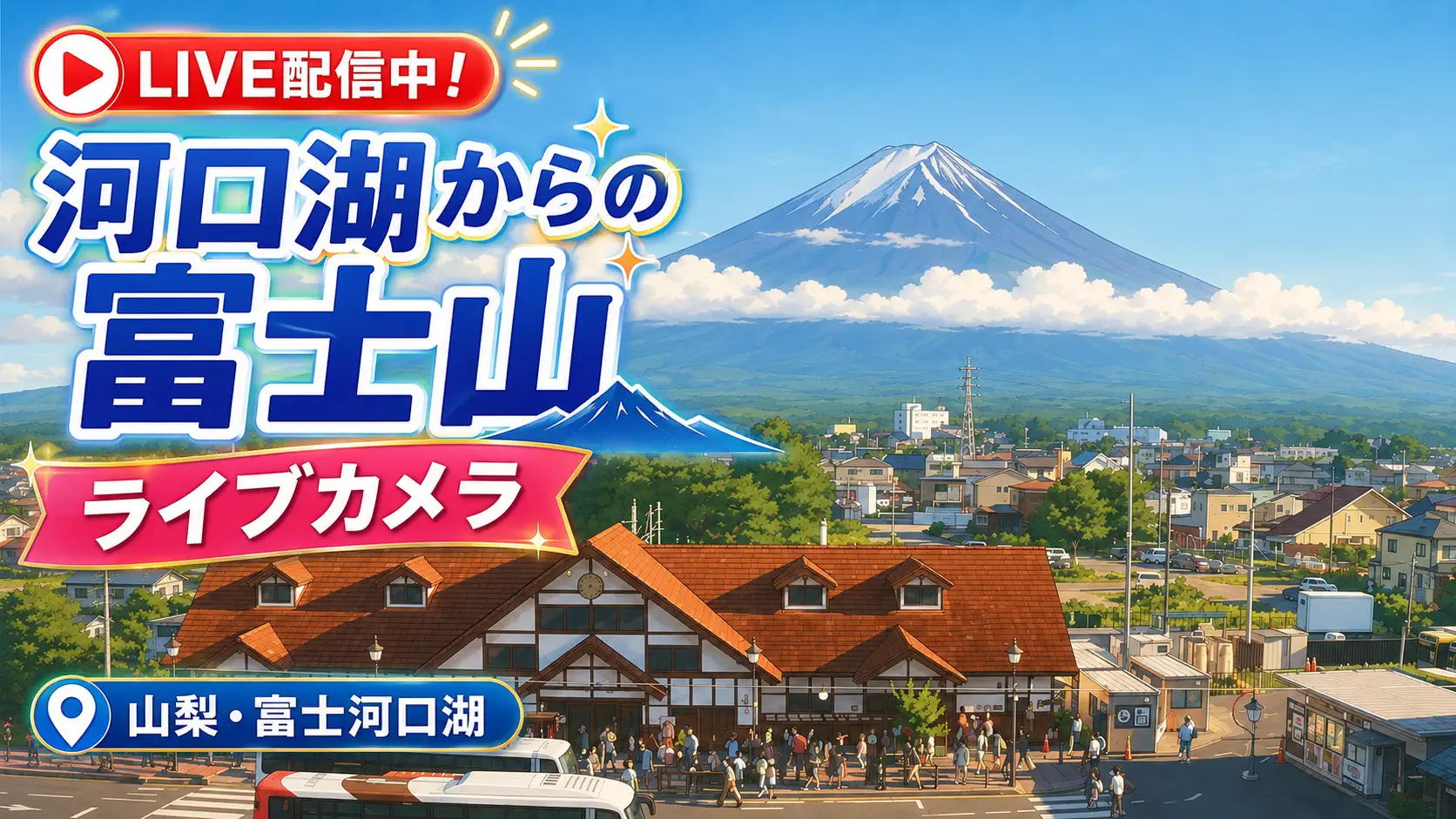
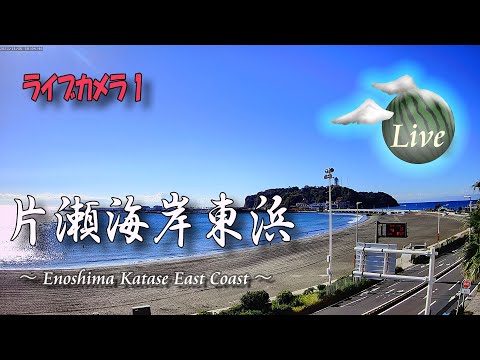
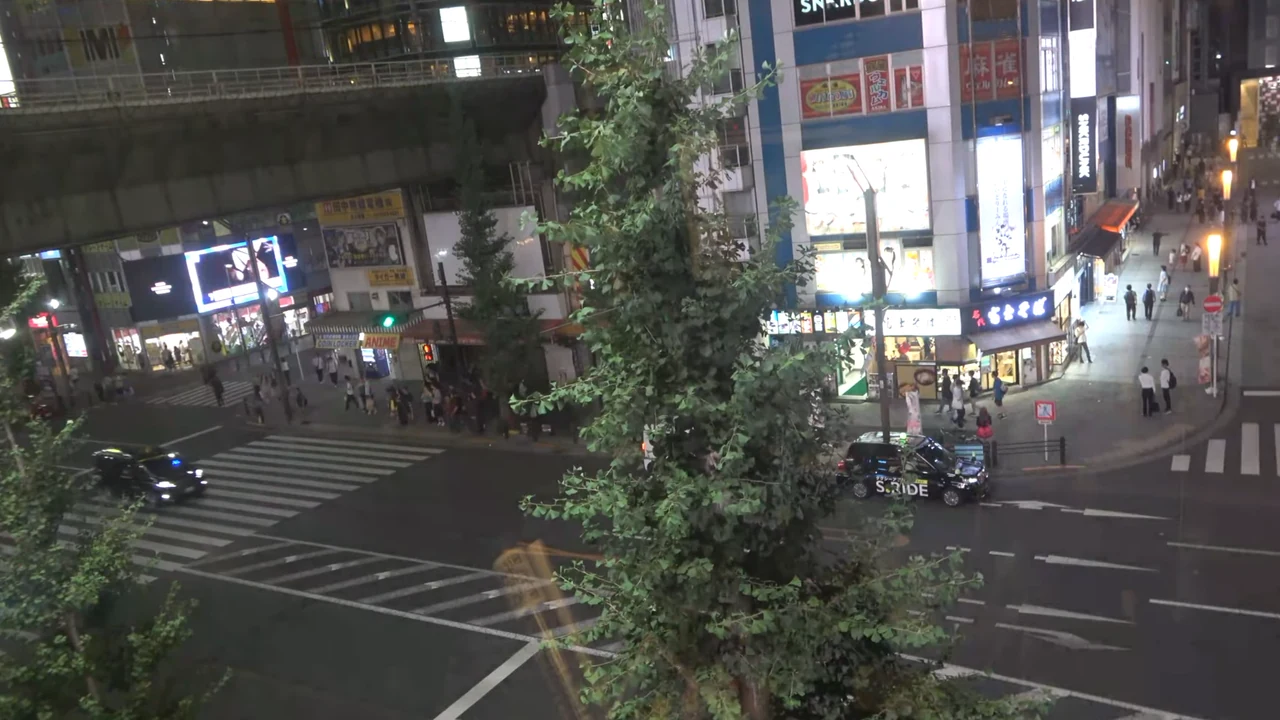
Compare lake-edge calm with downtown motion at Kajimachi-dori / Zaza City, or jump to wider scenic Japan via Fujikawaguchiko and coastal Enoshima.
Frequently Asked Questions
How big is the park really?
About 300,000 m² with roughly 3,000 species — not the smaller figure sometimes copied from older blurbs.
How often is the fountain show?
Typically on the hour and half-hour during operating periods; confirm on-site schedules for your day.
What is the Crystal Palace?
The large greenhouse with seasonal themed displays and climate gardens (including tropical and arid sections).
Is this camera fixed?
It behaves as a moving / PTZ garden cam — expect zooms and pans, not one locked wide shot.
Best month to visit in person?
Spring tulip-and-cherry peaks are the crowd magnets; every season has a different honest beauty if you match expectations to the calendar.