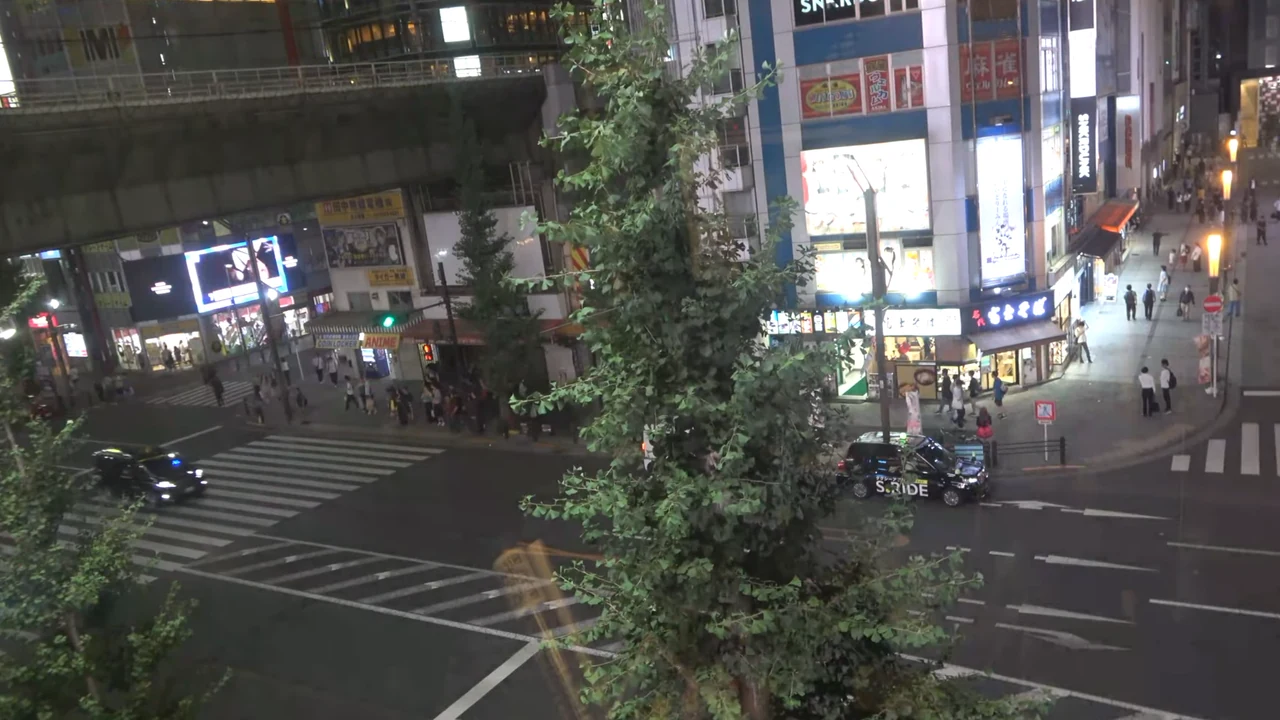

Hamamatsu does not market itself as a neon capital. It makes things — pianos, motorcycles, quiet engineering pride — and then goes about ordinary downtown life on streets like Kajimachi-dori. A moving live camera associated with the Zaza City shopping complex watches that downtown honesty: traffic lanes, tree-lined sidewalks, shoppers, and the mid-rise commercial skyline of central Hamamatsu. If Flower Park is the city’s soft lake resort face, this feed is the weekday face that pays for weekends.
About This Live Camera
The stream looks along Kajimachi-dori in central Hamamatsu (historically discussed as Naka Ward / city-center grammar; administrative labels shift with mergers). Expect PTZ or moving viewpoints that alternate between traffic flow, pedestrian edges, and building façades. Zaza City anchors the commercial story — a shopping hub that still defines how locals meet “in town.” Uptime varies with the source stream; rain and night rewrite contrast without erasing the street’s usefulness as a tempo meter.
This is not a tourist scramble cam. It is a regional city main street — valuable precisely because Japan’s secondary cities are under-watched online.
What You Can See in the Live View
Cars negotiating signals. Buses. Delivery vans that keep retail alive. Pedestrians under street trees when season and pruning allow green canopies. Storefront light at dusk. Occasional event banners or seasonal decorations. On clear days, the streetscape feels open compared with Tokyo canyon density; on humid summer afternoons, heat shimmer and slow crossings tell another truth. Typhoon approach empties sidewalks with practical speed.
Watch lunch peaks versus late evening quiet. Hamamatsu’s center still closes some emotional tabs earlier than Osaka’s Umeda — the cam makes that cultural clock visible.
Where Is Kajimachi-dori?
Central Hamamatsu, Shizuoka Prefecture, on Honshu’s Pacific-facing industrial belt between Tokyo and Nagoya/Osaka corridors. Nearby leisure geography includes Lake Sanaru, Enshu coast dunes such as Nakatajima, and farther west the Lake Hamana / Kanzanji resort belt where Flower Park sits. The street itself is the indoor-outdoor shopping hinge for people who live here, not only for people passing through on the Tokaido Shinkansen.
Hamamatsu Station area and Kajimachi commercial spines form the city’s walkable core for errands, department-store culture, and after-work dinners.
History: Instruments, Engines, and a Main Street
Hamamatsu’s global fame rests on makers: Yamaha, Kawai, and the early story of Honda (Soichiro Honda’s roots are part of local pride). That industrial identity built a middle-class downtown that needed a street like Kajimachi — not a theme park, a place to buy clothes, meet under clocks, and catch buses. Postwar growth, bubble-era commercial builds, and later retail reorganizations all left layers on the façades the camera still samples.
Zaza City and neighboring retail clusters are chapters in Japan’s department-store and shopping-complex evolution — less famous than Umeda Hankyu, more representative of how most Japanese cities actually shop.
Why Watch This Street Live
Because manufacturing cities have their own cinema: shift-change traffic, weekend family errands, festival weeks when mikoshi routes and crowd denseness briefly turn the ordinary sacred. Because weather on the Enshu coast (wind, sudden rain, bright winter sun) shows clearly on asphalt. Because pairing this cam with Hamamatsu Flower Park teaches the city’s double life — petals and pistons — in one browser session.
Daily Life Around the Frame
Morning brings purposeful commuting and shop openings. Midday office and school rhythms. Late afternoon shopping pulses. Evening restaurant and karaoke energy is real but usually thinner than Osaka’s. Sundays can look busier with families; rainy Tuesdays look honest. Delivery bikes cut diagonals. Elderly shoppers move with practiced route memory. Students in uniforms mark the academic calendar on the sidewalk.
When a local festival hits, barriers and crowd marshals appear — the street remembers it is also a civic stage.
Best Time of Day to Watch
- Weekday 8:00–9:30: commute texture
- Lunch hour: pedestrian density without nightlife myth
- Golden hour: warmer façades, better tree colour
- Friday evening: slight lift in outing energy
- Typhoon / heavy rain days: empty-street drama and spray
Best Seasons and Weather
Spring and autumn are visually kind. Summer is bright, humid, and festival-prone. Winter can be clear and sharp along the Pacific side of Honshu — less snow theatre than Tohoku, more blue-sky asphalt. Rain is frequent enough to be a character; umbrella choreography is part of the show.
Events and Celebrations
Hamamatsu’s kite festival fame and music-city branding occasionally spill into central decorations and crowd spikes. Year-end shopping, Golden Week errands, and Obon return traffic rewrite lane patience. New Year quiet is a useful contrast episode if the stream is up.
Getting There
JR Hamamatsu Station is the shinkansen and local rail hinge; Kajimachi / Zaza City is a short urban hop by bus, taxi, or determined walk depending on exact exit and weather. Drivers use city arteries that feed the center — parking rules are local and worth checking. Combine a downtown hour with a Lake Hamana half-day if you want both faces of the city.
Interesting Facts
- Hamamatsu is widely nicknamed a city of music for Yamaha/Kawai and related culture.
- Honda’s origin story is part of local industrial mythology.
- Kajimachi-dori functions as a central commercial spine, not a tourist theme street.
- Lake Sanaru and Enshu beaches sit close enough for same-day leisure after downtown errands.
- Flower Park on Lake Hamana is the soft-tourism counterpart to this asphalt feed.
- Moving cams here reward patience — the “event” is often ordinary Japan done clearly.
How to Watch a Secondary-City Main Street
Do not wait for scramble fireworks. Count bus frequency. Note tree canopy season. Compare night signage brightness with Tokyo cams you already know. When the frame feels “empty,” ask whether you are seeing a real mid-size Japanese downtown at 14:00 on a Wednesday — because you probably are, and that is the point.
Between Factory Pride and Lake Weekends
Hamamatsu’s brand is split on purpose: precise things made inland-ish, water and flowers westward, dunes south. Kajimachi is where paychecks become shopping bags. Leave the cam open across a weather change and you will understand Enshu light better than any slogan.
If you are planning a Tokaido stopover, use this feed as a crowd and rain check before you exit the shinkansen for a walkable downtown hour.
A Main Street Field Guide
Kajimachi rewards small observations. Watch how long crossing signals hold — that timing is the city’s politeness metric. Note which storefronts keep evening light longest; that is the local definition of nightlife without pretending to be Dotonbori. Tree canopies, when full, soften the business district into something almost residential; winter pruning returns hard lines and brighter asphalt glare. Delivery trucks at mid-morning are not clutter; they are proof the center still stocks real shops rather than only showrooms.
Compare a weekday and a Sunday in your head even if you only have one live session. Hamamatsu’s center does not empty into pure ghost-town quiet, but it does change costume — fewer suits, more strollers, different bag shapes. That costume change is how you learn a city from a webcam without romanticizing emptiness.
Manufacturing pride sits off-camera in factories and museums, yet it leaks into downtown body language: practical shoes, purposeful lunch queues, fewer costume-play tourists than Tokyo’s famous crossings. When a music-city banner appears, remember Yamaha and Kawai are not metaphors here — they are employers and civic identity. The street is where that identity buys coffee.
Nearby Live Cameras
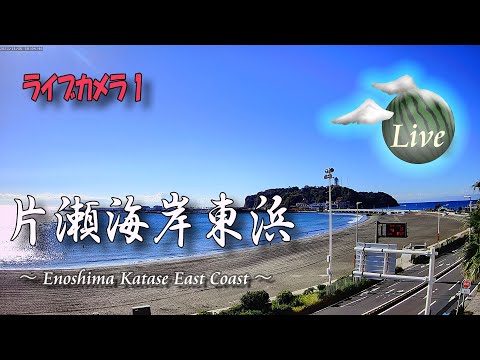
Pair with Hamamatsu Flower Park for resort-garden contrast, or jump to regional travel gateways and coasts such as Nagoya Airport area cams and Enoshima along the wider Pacific corridor story.
One More Reason to Leave It Open
Secondary-city streets are where Japan’s “normal” lives online. Kajimachi will not trend for a celebrity sighting most weeks; it will show buses that arrive on local logic, trees that mark the fiscal year’s pruning budget, and shoppers who are not performing for cameras. If your Japan interest includes places beyond the golden route’s greatest hits, keep this tab beside Flower Park and learn Hamamatsu as a chord — industry, lake, and errands — instead of a single tourist note. That chord is the city’s real music. Open it once on a rainy Tuesday — that is the Hamamatsu most residents actually know. Come back on a festival week if you want the louder chapter.
Errand-City Cinema
Kajimachi is strongest when you stop hunting spectacle. A mother with a music-school case, a salesman checking his phone at the curb, a bus kneeling for an elderly passenger — those frames are Hamamatsu’s actual brand film. Keep the volume down and the patience up.
Frequently Asked Questions
Is this in Shizuoka City?
No — Hamamatsu, Shizuoka Prefecture. Different cities.
What is Zaza City?
A central shopping complex vantage associated with this street-facing livestream.
Will I see Lake Hamana?
Unlikely on this downtown axis; use the Flower Park cam for lake-edge greenery.
Is Kajimachi a tourist must-see?
It is local life infrastructure — valuable for atmosphere, errands, and understanding the city beyond factory tours.
Best paired visit?
Downtown morning + Kanzanji / Flower Park afternoon is a classic Hamamatsu split day.