
Some landscapes make human schedules look optional. Mount Aso is one of them. Inside a caldera vast enough to hold towns and weather systems of its own, Nakadake still breathes — steam, ash eras, closures, reopenings — while Kusasenri’s grassland crater-basin offers the pastoral counter-image: horses, wind, green or gold or frost depending on the month. A live camera that spans that dialogue is not a postcard. It is a geology channel with seasons.
About This Live Camera
The feed is commonly associated with views from the Kusasenri area / observatory side looking across toward Aso’s central cones, including active Nakadake. Exact framing can emphasize grassland foreground, volcanic slopes, or plume against sky. When volcanic activity rises, access around the crater changes for real visitors; the camera becomes a remote way to respect the mountain without trespassing on closures.
Do not expect city-cam sharpness every hour. Fog, volcanic haze, and rapid Kyushu weather are part of the show — and sometimes the whole show. That variability is not a defect in the feed; it is the caldera’s editing style. Stay with a white frame long enough and you will notice brightness shifts that prove the mountain is still negotiating with cloud even when outline vanishes.
What You Can See in the Live View
On clear days: layered volcanic topography, the sense of enormous scale that still photographs “flat” until a bus or building gives you a measuring stick. On active days: a plume that rewrites the sky’s vertical axis. On quiet days: grassland texture and cloud shadows moving like living maps across the caldera floor.
Kusasenri-ga-hama is a grass-covered crater landscape with ponds and grazing — a softer world than the raw crater rim. Nakadake, by contrast, is the restless centerpiece of Aso’s central cone group, famous as one of the rare active craters tourists can sometimes approach closely when conditions allow. The camera’s power is holding both moods in one mental frame even when the lens favors one.
Where Is Aso?
Aso sits in Kumamoto Prefecture, central Kyushu, inside Aso-Kuju National Park. The caldera ranks among the world’s large volcanic calderas — commonly described on the order of 25 kilometers across — with a circumference that turns “mountain visit” into “enter a country of volcano.” Inside it, life continues: farms, roads, inns, and the constant negotiation between beauty and hazard. Nakadake belongs to the central cone complex that rose after older caldera-forming eruptions emptied and reshaped the land; Kusasenri is the gentler crater-basin stage where visitors come for grassland walks when the rim is closed or simply when they want green instead of sulfur.
Aso After Disaster Memory
Kumamoto’s recent earthquake years reminded the region that geology is not a tourist specialty channel. Roads, inns, and access patterns recovered through grit and time. Volcanic alert changes layer on top of that memory. Remote watching is one small courtesy to a place that has had to rebuild ordinary life more than once while still hosting travelers who arrive for the postcard. Use the cam with gratitude, not entitlement.
History Written in Ash and Grass
Aso’s deep past is catastrophic and creative: caldera-forming eruptions that remade Kyushu’s map, then newer cones growing inside the scar. Nakadake’s historical activity has shifted among craterlets over recorded time; for roughly the last century-plus of close observation, attention often centers on the currently restless vent system that tourists know as “the crater.”
Human history here is adaptation. People farm volcanic soils, maintain grasslands through traditional burning regimes in the wider Aso region, build visitor centers and museums, and learn to live with closure days. The Aso Volcano Museum near Kusasenri exists because explanation is part of safety and culture — not an optional gift shop add-on.
Recent decades brought memorable eruptive periods and access restrictions that reminded Japan that “open crater tourism” is a privilege contingent on gas levels and alert statuses. The livestream inherits that humility.
Why This Place Is Known
Because it offers a double miracle: an inhabited caldera of staggering size, and an active crater that can be witnessed (sometimes) without expedition logistics. Add Kusasenri’s almost Alpine-pastoral look under Japanese latitudes, and you get a landscape that refuses a single genre. Travel posters call it scenic. Locals know it as home with contingency plans.
Daily Life and Visitor Rhythm
Morning clarity can vanish into afternoon cloud. Tour buses pulse. Hikers appear as moving punctuation on ridges when trails are open. In grassland seasons, animals and wind dominate the quieter hours. When the crater is closed, Kusasenri still receives people who came for the green bowl and the distant plume — pilgrimage by substitution.
Remote watchers get the honest version: long stretches where “nothing happens” except light. That nothing is the mountain’s default state. Eruption is the plot twist, not the baseline.
Best Time of Day to Watch
Sunrise and late afternoon sculpt relief into slopes. Midday can bleach grasslands. Night depends on residual light and whether steam catches illumination. After rain, visibility lottery intensifies — jackpot or whiteout.
If you are plume-hunting, check official volcanic information alongside the cam. Steam is not always “activity drama”; it is often ordinary breathing. Learn the difference by repetition.
Best Seasons and Weather
Spring greens Kusasenri into a soft spectacle. Summer brings lushness and convective buildups. Autumn paints grasses toward gold and can deliver superb clarity. Winter clarifies air and can frost the bowl into something almost Hokkaido-adjacent in mood, if not in latitude. Volcanic gas and fog do not obey tourist seasons; they edit plans year-round.
Events and Closures as Calendar
The true “events” are geophysical. Alert-level changes, road closures, and reopenings are the festival calendar that matters. Cultural events in Aso towns add human festivity, but the mountain remains the headliner. Use official park and volcano updates when planning a real visit; use the camera to feel the atmosphere those updates describe.
Getting There
JR Aso Station connects to buses toward Kusasenri and the Asosanjo area near Nakadake, with schedules that are real constraints, not suggestions. Roads into the crater zone close when they must. The museum and observatory infrastructure around Kusasenri make the grassland side more reliably visitable than the rim on tense days.
Interesting Facts
- Aso’s caldera scale is hard to feel until you realize towns live inside it.
- Nakadake is among the world’s more accessible active crater experiences — when open.
- Kusasenri is itself crater geography wearing a meadow costume.
- Grassland landscapes in Aso are culturally maintained, not accidental wilderness alone.
- A camera pointed at steam teaches patience better than most meditation apps.
How to Watch Geologically
Note wind direction relative to the plume. Note whether the foreground grassland is sharp while the peak dissolves — a classic local fog sandwich. Over weeks, you will build a private typology of Aso days: glass-clear, milk-bowl, plume-dominant, storm-dark. That typology is the article the mountain keeps rewriting.
Caldera Living, Not Postcard Posing
What separates Aso from a one-peak icon is habitation. Roads, pastures, inns, and school routes exist inside a volcanic amphitheater. That fact should change how you watch. A clear morning is not only “pretty”; it is also a day when local logistics feel ordinary again. A whiteout is not only aesthetic minimalism; it is drivers negotiating mountain weather inside a bowl that makes forecasts personal. The camera’s long stillness between plume events is the honest tempo of a place that cannot afford to treat geology as weekend hobby only.
Kusasenri’s green softness is earned. Grasslands in the Aso region are tied to human land-use traditions — including burning and grazing regimes that keep meadows from closing into scrub. When you see pastoral calm under an active cone, you are seeing culture and hazard sharing a lease.
Reading Alerts Beside the Image
If you use this page while planning travel, treat the livestream as atmosphere and official volcanic information as law. Gas concentrations, crater-rim closures, and road gates change faster than travel blogs. A beautiful plume on screen can coincide with a day when no responsible visitor should be near the rim. Conversely, a quiet, steam-soft morning can still be a perfect Kusasenri walk. Learn to separate “dramatic” from “go.”
Nearby Live Cameras
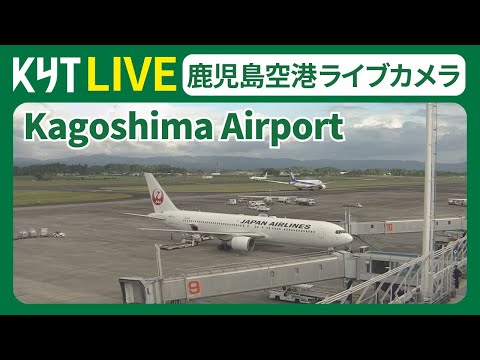
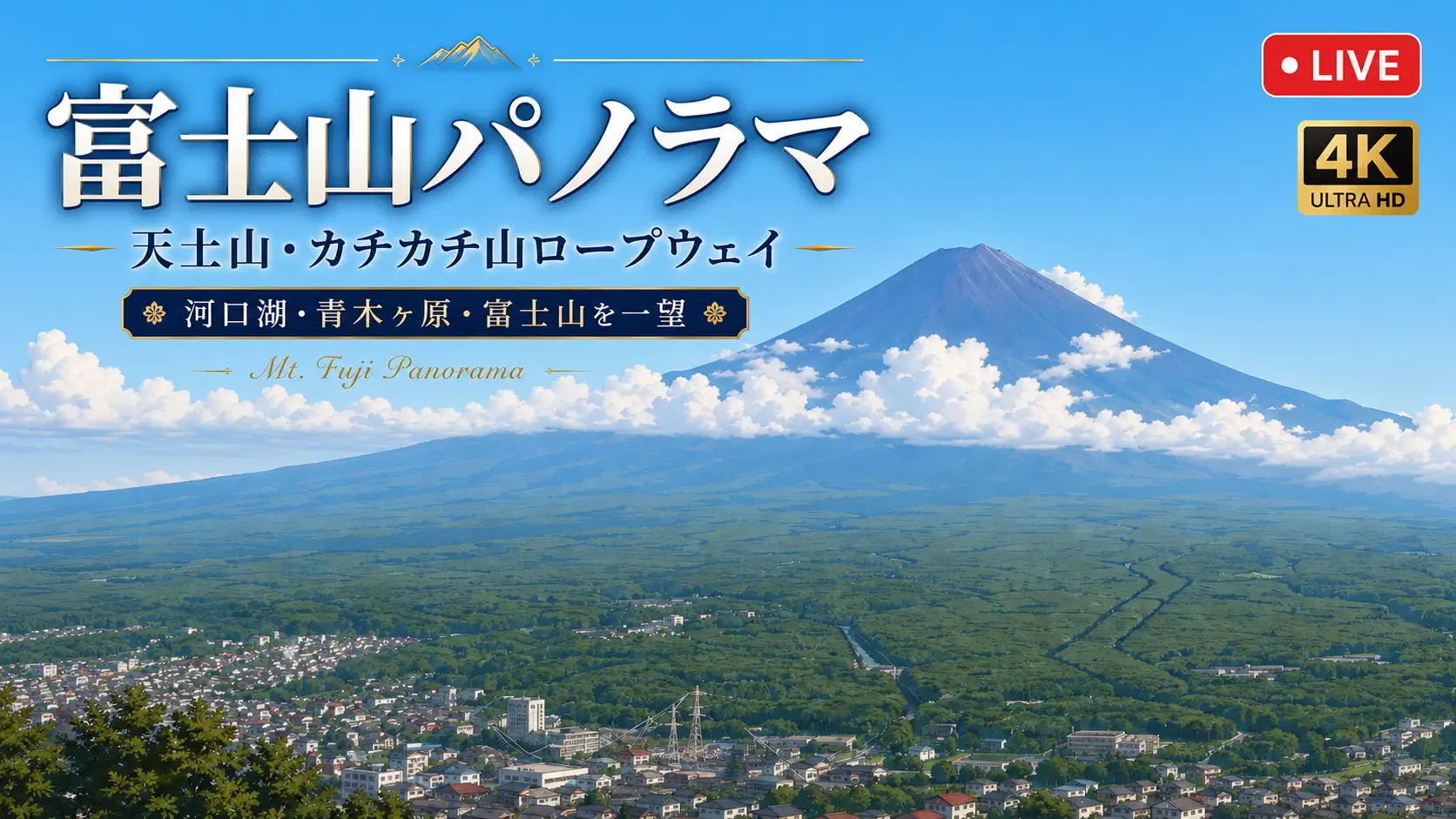
Compare Kyushu fire with Sakurajima and Kagoshima Airport, or jump to Mount Fuji panorama for Japan’s other volcanic celebrity — quieter in daily temper, louder in national symbolism.
Frequently Asked Questions
Is Nakadake always open to visitors?
No. Access depends on volcanic conditions and regulations. Always check current status before traveling.
What is Kusasenri?
A grass-covered crater-basin landscape near Aso’s central cones, popular for walks and seasonal views, with observatory/museum infrastructure nearby.
Why is the view sometimes completely white?
Fog, cloud, and volcanic haze are common. The mountain has not left; the air has closed the curtain.
Is Aso “the largest volcano in the world”?
It is often described among the world’s largest caldera systems; wording varies by metric. The lived truth is simpler: it is immense.
Can I hear eruptions on the stream?
Do not count on audio. Visual plume and official alerts are the responsible signals.