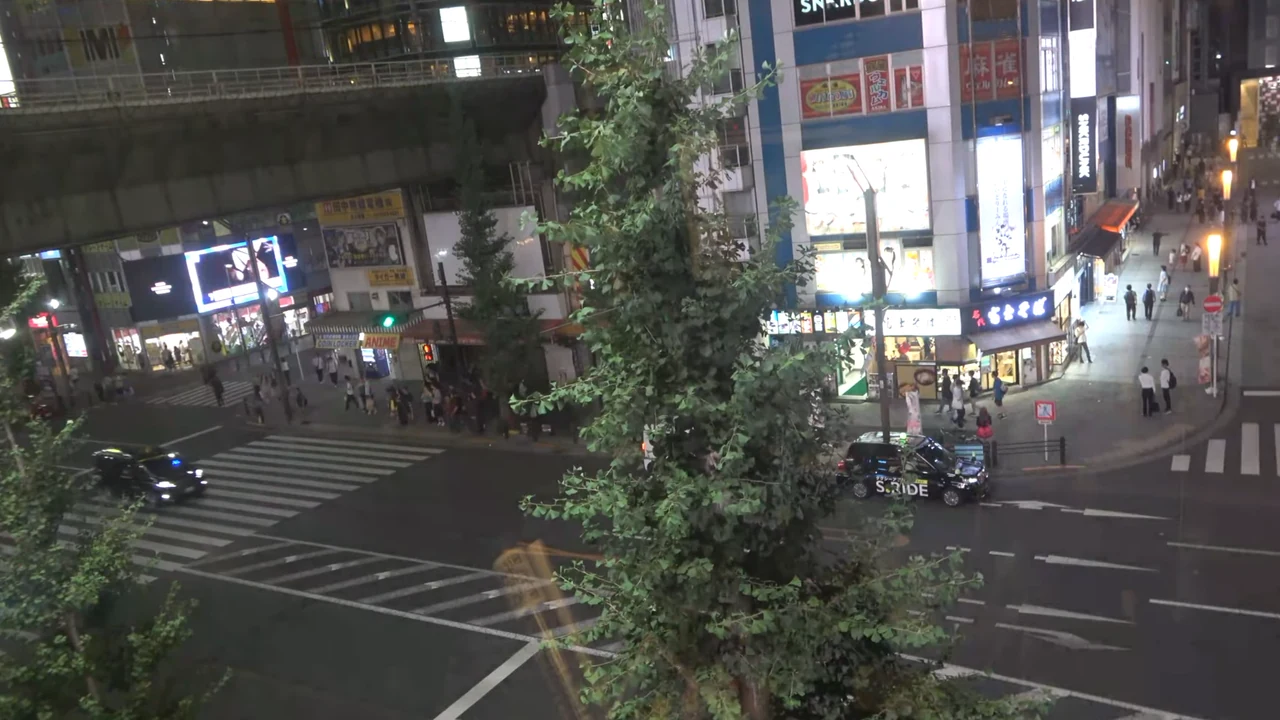

Nagoya Station does not apologize for its size — twin JR Central Towers dominate Nakamura Ward, Tokaido Shinkansen steel slides through dedicated gates, and the Taikō-dōri (太閤通) west exit spills salarymen, tourists, and Nozomi transfers into one of Honshu’s busiest pavements. This HD live camera watches West Gate — the Taikō-dōri Exit side — where street traffic, taxi ramps, and glimpses of bullet train infrastructure overlap. You are streaming Chūkyō at commute velocity, not a temple garden.
About This Live Camera
The feed targets Nagoya Station’s west side (~ 35.17°N, 136.88°E) — Taikō-dōri Exit, JR highway bus terminal approaches, and Shinkansen platform edges visible from public space depending on zoom and season. Source metadata aligns with WebcamTaxi’s Nagoya Station West Gate listing — a YouTube embed when broadcasters maintain the session.
Expect traffic flow, pedestrian surges, and train glimpses — not guaranteed platform-close N700 nose shots every hour. 24/7 is possible but unverified; night shows taxi queues and illuminated tower facades. Refresh if player stalls during source maintenance.
What You Can See
Taikō-dōri vehicle lanes — buses, taxis, private cars navigating station-front geometry. Pedestrian flows from West Gate concourse — roller bags, ekiben bags, Uniqlo shopping from Gate Tower.
Shinkansen activity — Tokaido platforms 14–17 sit on the Taikō-dōri side; camera angles may catch trainsets entering/leaving, platform cleaning crews between Nozomi turns, or headlight glints under canopies.
JR Central Towers glass — 245 m office and 226 m hotel tower — frame upper portions of some views. Silver Clock (銀の時計) meeting point culture animates the concourse just inside the exit.
Underground retail (Esca, Gate Tower Mall) does not appear directly but foot traffic patterns reflect basement shopping surges after 17:00.
Location
Nagoya Station (Meieki, 名駅) sits in Nakamura-ku, Nagoya, Aichi Prefecture — core of the Chūkyō metro area (~ 10 million). The station unifies JR Central, Tokaido Shinkansen, Aonami Line, adjacent Meitetsu and Kintetsu terminals, and subway Higashiyama / Sakura-dōri lines.
West Gate (Taikō-dōri) faces the Shinkansen side — opposite Sakura-dōri Exit (east) where city bus terminal and Me~guru sightseeing bus Gate 11 live. Do not confuse west and east: Me~guru departs Sakura-dōri, not Taikō-dōri — a common tourist mistake this camera geography clarifies.
JR Highway Bus terminal and ticket office sit outside Taikō-dōri — long-distance night buses to Tokyo and Osaka use this side.
History
Nagoya’s rail story is Meiji onward, but the current station city vision crystallized 1999 with JR Central Towers — ~420,000 m² floor area, once Guinness “largest station building” (2002, category later retired). ¥200 billion investment declared Nagoya JR Central’s kingdom — headquarters, luxury hotel, Sky Street restaurants on 15F.
Tokaido Shinkansen (1964 lineage) upgraded Nagoya stop patterns over decades — today Nozomi, Hikari, and Kodama mix with Chūō Main Line limited expresses toward Takayama and Shinano.
JR Gate Tower (2017) extended the west-side station-city concept — Bic Camera, Uniqlo, Takashimaya Gate Tower Mall (~ 170 shops). Taikō-dōri became not just exit but vertical neighbourhood.
Why Watch
Because Nagoya is Japan’s industrial honest hub — Toyota country, JR Central country — and the west gate is where Shinkansen meets street. Because comparing this feed with Nagoya Railway Station 4K platform cam teaches same building, different stories.
Because commute sociology — Obon, Golden Week, typhoon timetable chaos — shows in taxi lines and pedestrian speed before news reports. Railfans watch for N700A / N700S series liveries; urbanists watch Taikō-dōri traffic engineering fail gracefully at peak.
Daily Life
Weekday 07:00–09:00: salaryman waves from Aichi suburbs, students, hotel checkout rush. Lunch 11:30–13:00: Sky Street executives versus ekiben eaters on benches. 17:00–19:00: return peak — Uniqlo bags, Gate Tower pop-up crowds.
Tourists with Shinkansen passes photograph Silver Clock; Meitetsu airport bound travellers sometimes mis-exit here before correcting toward Sakura-dōri. Taxi rotation is choreographed — empty cabs rare at peak.
Underground Esca miso-katsu and tenmusu shops export smells invisible to cam but implied by bag shapes.
Best Time of Day
- 07:00–09:00: peak west exit pedestrian + Shinkansen departures
- 12:00–14:00: moderate — good for architecture light on towers
- 17:00–19:00: maximum commute kinetic energy
- 22:00+: last Shinkansen waves; taxi night shift
Holiday eves rewrite all patterns — treat streams as data.
Best Seasons
Spring and autumn: comfortable platform-adjacent viewing. Rainy season: umbrella forests on Taikō-dōri. Summer: humidity + Bon travel surges. Winter: mild — occasional snow delay drama worth watching live.
World Cosplay Summit season increases costume density in station area — not always Taikō-dōri visible but foot traffic rises.
Events
Nagoya Matsuri (October) — samurai parade culture increases downtown costumes. Station-area illuminations December. Product launches in Gate Tower create youth queues.
Typhoon approaches: Shinkansen speed restrictions visible as schedule boards empty platforms intermittently — even street-level cam catches crowd reflow.
JR Central historic train displays rare but memorable — watch railfan social media when SCMaglev test news cycles.
Getting There
You arrive here by definition if you take Tokaido Shinkansen, JR Chūō, Kansai Main, Aonami, Meitetsu, or Kintetsu into Nagoya Station — exit Taikō-dōri for Shinkansen gates and JR highway buses.
From Chubu Centrair (NGO): Meitetsu μ-SKY ~ 28 min to Meieki — then walk to west side. Nagoya Airport Cam covers Komaki regional field separately.
Me~guru sightseeing bus: Sakura-dōri Exit, Gate 11 — not this west gate.
Interesting Facts
- Nagoya Station among world’s largest station complexes by floor area (~ 410,000–420,000 m²).
- JR Central Towers completed 1999 — 51- and 53-floor twins.
- Taikō-dōri named for Toyotomi Hideyoshi (Taikō) — Nagoya’s Owari history.
- Silver Clock west meeting point; Golden Clock east — navigate by metal colour.
- Tokaido Shinkansen Nozomi stops — ~3 hours Tokyo scale on fastest runs.
- Esca underground mall at Taikō-dōri side — Nagoya meshi concentration.
- Aonami Line to Kinjō-futō (Legoland, port) uses separate concourse — don’t blunder through Shinkansen gates.
Shinkansen Theatre from the Street
Taikō-dōri gives street railfan angles — not platform intimacy but scale: 16-car sets feeling like freight trains until they whisper away. Watch cleaning crew timed to Nozomi 12-minute turns — Japanese punctuality as performance art.
Evening headlight bloom under canopy lights turns N700 noses into sci-fi — compare with Nagoya Railway Station feed when you need 4K platform intimacy.
West Gate vs East Gate Literacy
Taikō-dōri (west): Shinkansen, JR highway buses, Central Towers, Esca, Bic Camera direction via Gate Tower. Sakura-dōri (east): city buses, Me~guru, Golden Clock, Meitetsu/Kintetsu adjacency.
Tourists circling with maps — visible on cam — usually need east/west reorientation. Silver Clock meetups versus Golden Clock — pick wrong and lose 30 minutes minimum.
The Central Walkway between exits is the hidden third axis — 200 metres of underground continuity where lost travellers surface with convenience-store coffee, having never crossed Taikō-dōri at all. Watch weekday lunch foot traffic split: tower office badges drift west toward Esca basements; hotel guests with shinkansen tickets hug Silver Clock pillars. Friday night business hotels on the west side discharge Tokaido corridor riders — roller bags tagging pavement rhythms the camera reads as morse code for Nagoya–Tokyo and Nagoya–Osaka economic gravity.
Commute Weather and Typhoon Season
Taikō-dōri drains poorly in cloudburst minutes — September typhoon approaches turn crosswalks into shallow rivers visible as pedestrian hopscotch. When JR Central announces speed restrictions, taxi queues lengthen even if rain stops — travellers bail from Shinkansen uncertainty. Summer heat island effect radiates off tower glass; winter rarely snows but dry cold wind whips the exit plaza — seasonality shows in coat volume more than temperature readings on your phone.
Obon reverse surge (U-turn traffic) sometimes clogs Taikō-dōri surface lanes while platforms still run — the cam captures automotive pain separate from rail capacity. Knowing both layers prevents blaming Nozomi for a taxi shortage that is actually surface gridlock.
Coin locker hunters circling west concourse — another micro-genre on busy afternoons — reveal Chūkyō as a transfer city: Osaka bound, Takayama bound, Centrair bound, all sharing Silver Clock as north star. The live feed is a transfer-stress barometer as much as a trainspotting window.
Nearby Live Cameras
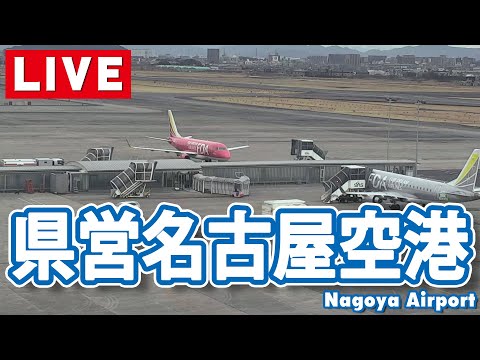
Continue Chūkyō hub study with Nagoya Railway Station platform 4K, Nagoya Airport Cam for NGO/Komaki air links, and Sasashima Live Cam for expressway approach context south of Meieki.
Frequently Asked Questions
Is this the Shinkansen side of Nagoya Station?
Yes — Taikō-dōri (West Gate) is the primary Tokaido Shinkansen exit side with dedicated ticket gates.
Does Me~guru bus leave from this exit?
No — Me~guru departs Sakura-dōri (East Gate) city bus Gate 11, not Taikō-dōri.
Can I see bullet trains on this camera?
Often partially — platform 14–17 activity may appear depending on angle; for dedicated rail views try Nagoya Railway Station.
What is the Silver Clock?
Gin-no-tokei — popular west-side meeting landmark inside/near Taikō-dōri concourse.
Is the stream 24/7?
Possible but unverified — refresh if offline; source maintenance happens.
How far is Centrair Airport from here?
About 28 minutes by Meitetsu μ-SKY to Nagoya Station, then walk to west exit.