By early 2014, BiS were no longer explaining what Brand-new idol Society meant. They were explaining how to end it. After publicly tying their dissolution to a Nippon Budokan ambition, then shifting the finale to Yokohama Arena on 8 July 2014, the group sat for a Shibuya Channel Artist File interview with exhaustion, jokes, and unusual clarity about what “finishing” might feel like. What follows is how they talked about work, Shibuya, and the last album while the countdown was already running.
The room that day
Two members were absent with flu after tour. First Summer Uika framed it bluntly: once the road stopped, bodies collapsed. Pour Lui, Kamiya Saki, Pour’s fellow survivors of the schedule, and Koshouji Megumi carried the interview anyway — which somehow fit a group that always performed through chaos.
The previous day they had made the Yokohama Arena announcement at a free Shinjuku Station Square live. Older fans reportedly cheered. Pour Lui read the reaction as complicated gratitude: followers were financially and emotionally tired too. Relief and sadness arrived together.
Dissolution as logistics, not metaphor
BiS had long said 2014 would end the project. Still, hearing the concrete Arena date in February landed harder than the abstract year. Recording for WHO KiLLED IDOL? overlapped with the realization that Budokan might be impossible. Uika said even the unfinished album already felt like the past because events moved that fast.
Koshouji kept joking about overturning the decision, then watched the rest of the group shut it down in unison. The comedy was the point: BiS treated institutional endings the way they treated idol rules — loudly, incompletely, and on camera.
Making the last album under bad weather
Pour Lui described sessions as carrying unresolved tour tension into the booth. Prompted to write from dissatisfaction, she produced material that felt uniformly negative. Koshouji, writing lyrics for the first time, claimed not to feel the same storm — which the others immediately roasted as proof she could sleep through a crisis.
Studio anecdotes piled up: a producer finally snapping at Koshouji off-mic; a three-minute vocal pass; Tentenco overshooting a “sing like Yoshii” request on the Yellow Monkey cover until it sounded like a sulking child. Those stories are not gossip filler. They show a group whose process was public-facing even when the product was still locked.
When they listened back, Uika heard the lineup and environment changes in the music — more rock weight, more outside writers, more of a unified final statement. Features and gifts from artists across rock scenes raised expectations. Pour Lui wondered aloud how longtime “researchers” (their fan label) would judge a record that new listeners might simply call cool.
Shibuya as workplace and waiting room
Asked about the neighborhood, the answers skipped sightseeing.
- Pour Lui held a pass to Shibuya, hated staying home, and filled off days with salons and errands around Shibuya–Harajuku — alone, she emphasized.
- Uika recommended Cafe de Ningen Kankei on Spain-zaka, half wishing she had kept it secret.
- Saki pointed to Barrack Room, a Dogenzaka vintage/remake shop with intentionally late hours for apparel workers.
- Pour Lui admitted her true base was the Excelsior beside 109: noisy enough that nobody watched her plan MC bits before practice.
- Koshouji claimed she only walked the road between office and station — “I only know the street.”
First Shibuya impressions were equally uneven: childhood Starbucks awe, Osaka-to-Tokyo culture shock at the scramble, and Koshouji’s rural amazement at “huge specialty stores” like Tower Records. Debut memories for newer members traced back to Shibuya asia. The geography is consistent with how idol work actually uses the ward — offices, cafes, late retail, and live houses — rather than postcard monuments.
The last stretch
Immediate plans included the 3 March 2014 O-EAST date with NAMBA69 and the long THE BiS WHO SOLD THE WORLD TOUR before Yokohama Arena. Closing messages mixed relief and escalation: Pour Lui wanted the clean feeling three years had denied her; Koshouji half-hoped fans would burn out into comic hatred; Saki wanted the group to invent its own Arena-scale gesture; Uika wanted to multiply opportunities before the number hit zero — festivals, odd collaborations, whatever still fit.
That mixture is why the interview remains worth keeping. BiS did not romanticize the ending. They measured it in schedules, chocolate-bag Valentine confusion, and the specific Shibuya rooms that absorbed their downtime.
Related live views
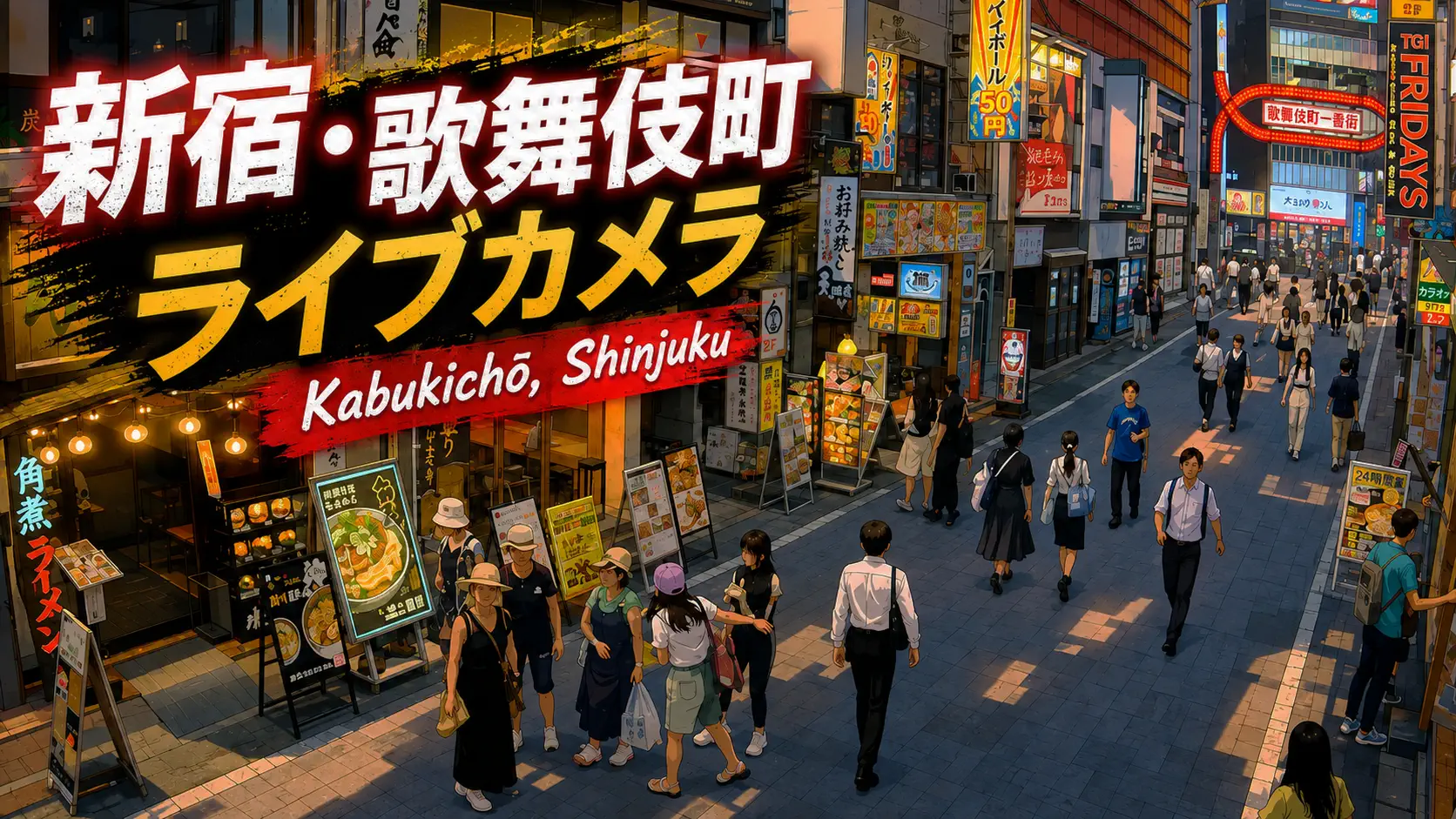
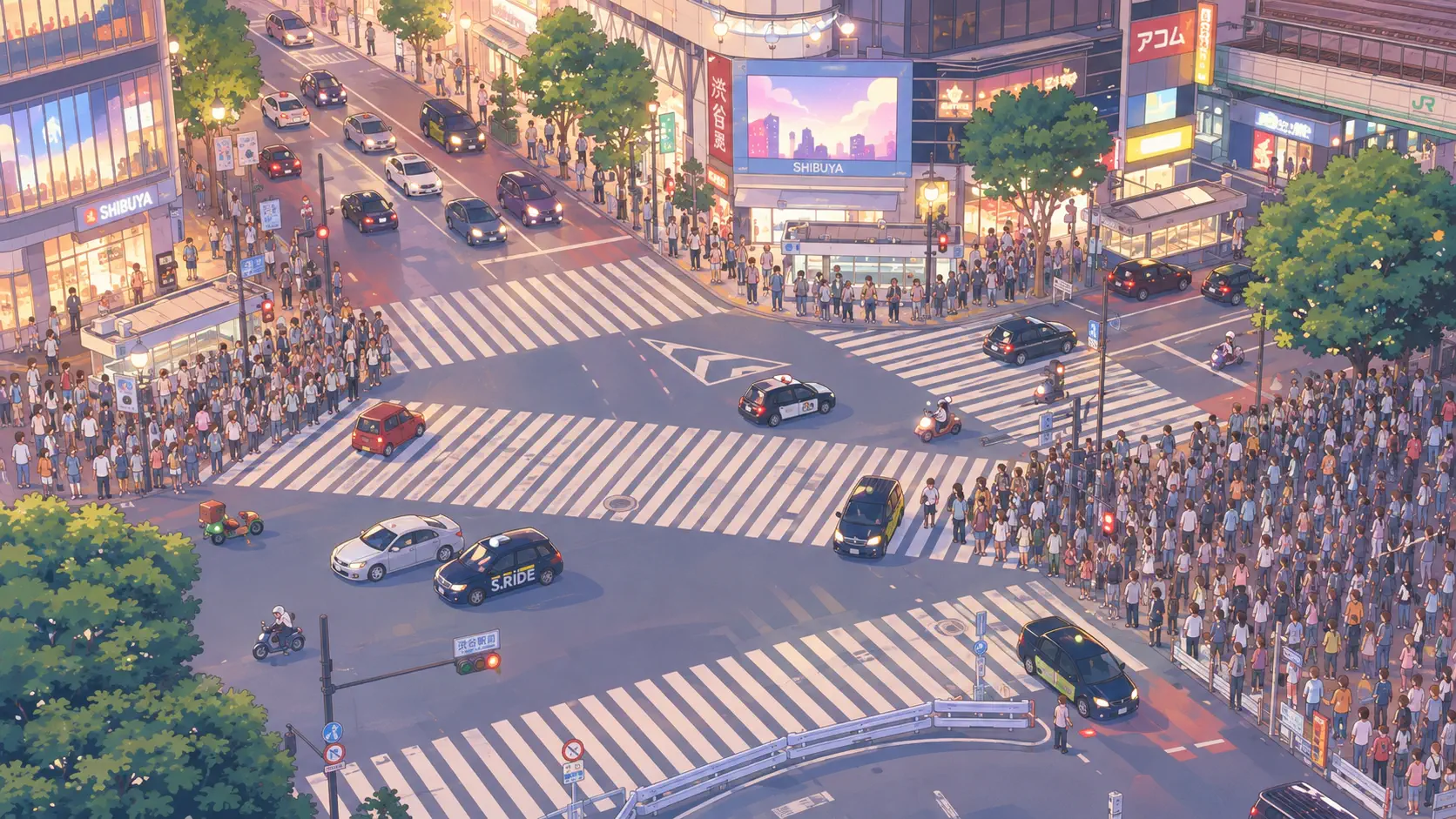
For the street temperature of the same ward BiS treated as an office district, open the Shibuya Crossing live camera. For a denser nightlife contrast closer to their Shinjuku announcement geography, see Shinjuku Kabukicho.
Readers connecting Artist File history to today’s street feeds can start with how to watch Japan live.
Release and show notes from the feature
- Album: WHO KiLLED IDOL? — released 5 March 2014
- Tokyo show cited: BiS after all EXTRA, 3 March 2014, TSUTAYA O-EAST with NAMBA69
- Final live cited: “BiS-nari no Budokan,” 8 July 2014, Yokohama Arena