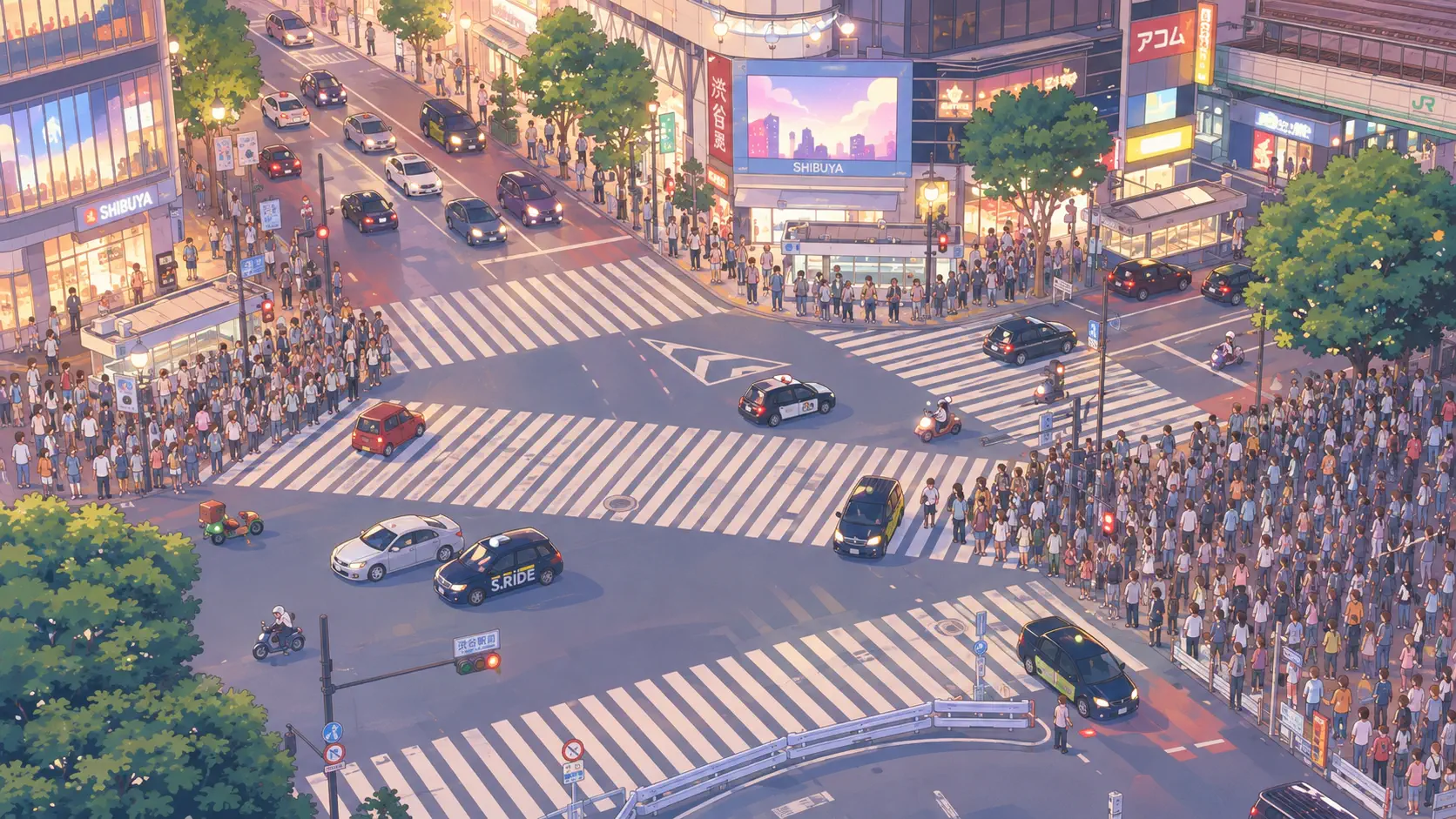

Kalafina entered 2013 with a résumé that already sounded like a decade: born from Yuki Kajiura’s Kara no Kyoukai film theme project, debuted in 2008 with “oblivious,” and placed every subsequent single inside the Oricon weekly top fifteen. On 23 January 2013 the trio would mark their fifth anniversary with a one-man live at Shibuya O-EAST titled “oblivious” — the same name as their first single, on the same calendar date as their debut release.
Wakana, Keiko, and Hikaru sat for Shibuya Channel’s Artist File #04 with that show, a first live album, and a 236-page photobook all landing the same day. The conversation was less about explaining who Kalafina were than about measuring five years of trial, gratitude, and rooms that made the group possible.
The room waiting on 23 January
All three members mixed anticipation with milestone nerves. Wakana looked forward to O-EAST partly because it had been a while since a proper one-man — she wanted the audience to feel Kalafina’s music at full volume. Keiko admitted layered emotions: excitement, tension, and the growing joy of singing on the exact anniversary date as the countdown shortened. Hikaru framed survival itself as happiness — five years existed because supporters made them real, and she wanted to say thank you in person on that day.
The emotional baseline was gratitude before spectacle. That matched a group whose public identity was already tied to cinematic drama rather than idol chatter.
Looking back at “oblivious” and forward through it
Asked to revisit debut-era mindsets, each member described a band that could not have imagined its present shape.
Wakana remembered constant experimentation — once live work began, near-daily rehearsal and worry that nonetheless built the current voice. Keiko called the path a chain of miracles filled with other people’s effort and affection; revisiting five years threatened to overflow with thanks. Hikaru joined from the second single “sprinter/ARIA” and felt the early period contained experiences visible only in hindsight — gaps and discoveries that accumulated into now.
Choosing oblivious as the fifth-anniversary live title was therefore deliberate, not nostalgic default. Wakana described carrying accumulated years while stepping toward a new stage; year six would mean running harder, not coasting. Keiko heard pure gratitude in returning to the debut song name. Hikaru wanted the audience to see “today’s Kalafina” while looking at the origin — a restart perceived from the starting line, not a museum set.
First live album and the photobook bible
Two physical releases shared the anniversary date.
Kalafina 5th Anniversary LIVE SELECTION 2009–2012 — their first live-record product — compiled 29 tracks from nine concerts between 2009 and 2012. Members highlighted what studio albums omit: applause, crowd voice, hall resonance, and the three-voice blend under live tension. Wakana said closing her eyes could place her back in the venue; the limited edition also printed full setlists so listeners could track how performances changed night to night. Keiko was shocked at how realistically the recording reproduced being on the floor. Hikaru emphasized air shared with that day’s audience as part of the music itself.
Kalafina History 5th — ¥4,800, 236 color pages — was described as a fan “bible” of the entire run: new and live photography, long interviews, biography, complete setlists, and overseas off-stage shots. Wakana urged readers to notice evolving costumes and the smiling faces of fans frozen in live photos. Keiko said the book felt less like a highlight reel than stacked records and memories with every person who touched the group; she enjoyed watching their on-stage expressions mature page by page. Hikaru asked fans to study costumes designed or chosen to match songs and eras — visual storytelling parallel to the music.
Messages to the O-EAST crowd
To attendees, the closing tone was collective and forward-facing. Wakana credited all past support and asked expectations for the next stage. Keiko wanted the anniversary night itself to become unforgettable simply because they shared it. Hikaru stressed the symmetry of debut date, debut song title, and a venue tied to Kalafina’s one-man history — then invited people to meet at the hall.
Three Shibuyas in one ward
Shibuya Channel’s local prompt produced three different city maps.
Wakana had walked Shibuya daily when she first moved to Tokyo; returning still mixed unchanged corners with sudden redevelopment. Keiko’s Shibuya was teenage and ordinary — long walks from Harajuku school, purikura clusters in Center-Gai, 109, and repeated Fujiya parfaits near 109. She loved the information density of fashion, people, and trends, even if work now kept her away. Hikaru, raised in Toyama until twenty, initially knew Shibuya as TV news iconography — “THE Tokyo” — before live houses rewrote the ward as a performance city in her body memory.
Current favorites stayed character-specific. Wakana liked apparel-building rooftop cafes where terrace seats made you forget you were in central Shibuya. Keiko endorsed a healthy-food restaurant inside Shibuya Seibu where large portions stayed low-calorie — “an ally for women,” in her phrasing. Hikaru’s wish was aspirational: she wanted to perform at Bunkamura Orchard Hall.
Offstage personalities and very offline hobbies
Member-to-member portraits were affectionate and specific. Keiko called Wakana a sister-level talker whose backstage conversation could soothe her even mid-show; Hikaru healed differently — fewer words, heavier weight per sentence, still the cute junior she met on day one. Hikaru described Wakana as a tragic-goddess voice paired with vegetable-loving mood-making, and Keiko as vocally wide and low-strong with a straight, unwavering attitude plus playful edges.
Their “currently obsessed” list grounded the myth: Wakana’s late-night natto phase (especially egg-in-soy-sauce varieties), Keiko’s renewed snack binge centered on Bourbon-brand sweets, and Hikaru’s nano block builds — including a Kaminarimon gate model she had never visited in real life.
Release and show notes from the feature
- Live: Kalafina 5th Anniversary LIVE “oblivious” — 23 January 2013, Shibuya O-EAST; doors 18:00 / start 19:00
- Album: Kalafina 5th Anniversary LIVE SELECTION 2009–2012 — standard ¥3,900 (2CD); limited box ¥8,000 with video disc set and booklet
- Book: Kalafina History 5th — ¥4,800, 236 pages
Watch the scramble layer today on the Shibuya Crossing live camera, then return here for the O-EAST anniversary layer beneath it. Readers connecting Artist File history to today’s street feeds can start with how to watch Japan live.