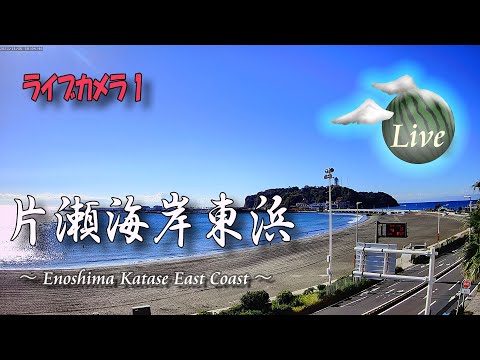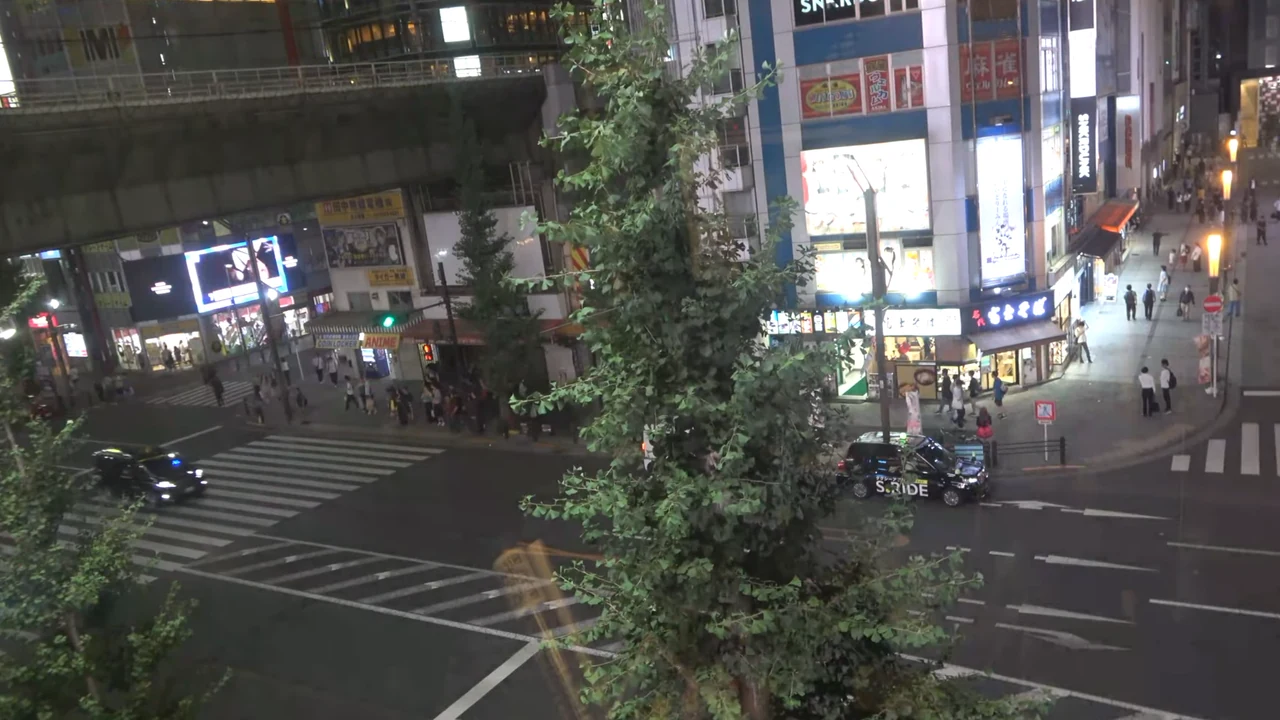

Before Tokyo learned to face the ocean openly, Yokohama did. Yokohama Port opened to foreign trade on 2 June 1859, turning a fishing village into Japan’s gateway for silk, steamships, and the shock of the modern world. Today the harbour fills Tokyo Bay’s western curve with container giants, cruise terminals, and the white sail-roof silhouette of Pacifico Yokohama — one of Japan’s largest MICE complexes. This live camera, sourced from the Yokohama Port Live Camera YouTube channel (resolved from catalog channel UCm8DGdhRoGe-GPCXfCT65og to video F0p5EGoGJw0), watches that waterfront breathe: ferries sliding past Minatomirai, tugs orchestrating arrivals, convention crowds invisible but implied, and the sky changing over a port that still feels like history’s loading dock.
About This Live Camera
The feed presents a wide view toward Pacifico Yokohama and the active harbour basin — the intersection where tourism, logistics, and civic identity overlap. Pacifico’s distinctive rooflines — Conference Center, Exhibition Hall, National Convention Hall of Yokohama, and adjoining hotel towers — anchor the frame. Beyond them, Osanbashi cruise pier, Yamashita Park, and the Minatomirai skyline layer depth.
Because the original embed used YouTube’s live_stream?channel= format, the underlying video ID can rotate when the broadcaster resets. Current resolved ID F0p5EGoGJw0; if playback fails, check the @YokohamaLive channel for the active session. is24x7: false — respect source downtime during maintenance or severe weather.
What You Can See
Pacifico Yokohama dominates visually — opened in stages from July 1991 (conference center and Yokohama Grand InterContinental Hotel) through October 1991 (exhibition halls) and April 1994 (National Convention Hall). Pacifico Yokohama North expanded capacity in April 2020. The camera catches roof geometry, facade glass flashing in morning sun, and night illumination during event seasons.
Harbour activity varies:
- Cruise ships at Osanbashi International Passenger Terminal — post-2019 recovery brought larger liners back to Tokyo Bay itineraries.
- Tugs, pilot boats, and coast guard craft on routine movement.
- Container and bulk traffic farther across the bay — not always central but present in wider visibility days.
- Pleasure boats and bay tours on weekends.
- Minatomirai towers including Landmark Tower west of Pacifico.
Weather phenomena — summer heat haze, typhoon cloud walls, sudden post-rain clarity — are half the show for remote watchers.
Location
Yokohama Port spans multiple wards; this camera focuses the Minatomirai / Nishi-ku waterfront near Pacifico at roughly 35.46°N, 139.63°E. Yokohama is capital of Kanagawa Prefecture, immediately south of Tokyo, population nearly 3.8 million in the city proper — Japan’s second-largest municipality.
Major piers include Osanbashi (cruise), Daikoku and container districts, and historical Yamashita wharves. The port handles tens of thousands of vessel arrivals annually and remains a top-tier container hub nationally.
Minatomirai Station (Minatomirai Line) and Sakuragicho / Yokohama Station connections place the camera’s viewpoint within easy reach of Kanto’s core rail network.
History
Foreign pressure cracked Japan’s sakoku isolation: Commodore Perry arrived 1853; the 1858 Treaty of Amity and Commerce designated Kanagawa among open ports. Yokohama’s 1859 opening redirected trade from constrained Kanagawa-juku to a planned waterfront settlement — the birth of Japan’s modern port city.
Meiji and Taisho decades made Yokohama a raw silk export powerhouse and technology import channel — railroads, gas lamps, Western banking. 1923 Great Kanto Earthquake devastated the city; rebuilding cemented modern port infrastructure. World War II air raids again flattened waterfront districts; postwar recovery aligned Yokohama with Pacific trade and American base logistics nearby.
Pacifico Yokohama (officially Pacific Convention Plaza Yokohama / Yokohama Kokusai Heiwa Kaigijo) represents late-twentieth-century ambition to marry port heritage with convention economy — host of international summits, 2002 FIFA World Cup press operations, and countless anime conventions. The port’s ten main piers today balance containers, cruises, ferries, and research vessels — a complete maritime city within a city.
Why Watch
Because 1859 still shows in street grids and warehouse brick even as glass towers reflect 2020s skyline.
Because cruise arrivals turn the bay into floating architecture — multi-deck cities gliding past Pacifico’s sails.
Because Tokyo Bay weather is its own drama: watch typhoon avoidance traffic quiet the water, then burst back.
Because MICE energy (meetings, incentives, conferences, exhibitions) invisible on camera still pulses through Pacifico’s halls — you see the building that hosts the world.
Because pairing this feed with Kishamichi Promenade completes Minatomirai mental mapping.
Daily Life
Dawn brings fishing support vessels and early tug shifts. Business hours move salarymen through Pacifico bridges toward conferences; exhibition load-in trucks queue on service roads out of frame. Lunchtime tourists walk Osanbashi’s wood-deck roof park — a famous free viewpoint parallel to this camera’s axis, designed by Foreign Office Architects and beloved for its undulating timber deck that lets visitors feel ship-height above the water.
Afternoon bay breezes attract joggers on Yamashita Park esplanades, where the Hikawa Maru museum ship and the Hotel New Grand (said to have served Japan’s first spaghetti) anchor interwar nostalgia. Yokohama Chinatown two kilometres inland sends evening restaurant crowds toward bay fireworks viewpoints on festival nights. Evening cruise departures or arrivals generate spotter clusters along the breakwater. Night leaves security lights, moored hull reflections, and occasional illuminated ship profiles — Landmark Tower’s crown changing colour by season.
Best Time of Day
- Morning: clearest light on Pacifico white roofs; container haze minimal before heat builds.
- Afternoon: ship movements peak; watch schedules if tracking a specific liner.
- Sunset: bay colour shifts orange-purple behind Minatomirai — iconic Yokohama palette.
- Night: convention and tower lighting; long-exposure aesthetics if the stream bitrate cooperates.
Best Seasons
Spring: comfortable visibility; Yokohama rose and tulip events inland. Summer: cruise season peak; typhoon vigilance required. Autumn: crisp air, Yokohama Triennale art cycles in some years. Winter: dry winds, early darkness, fewer crowds but sharper lights.
Events
Yokohama Port Festival and fireworks seasons draw crowds along waterfront parks. Cruise inaugural calls bring ceremony — brass bands, yokoso banners. Pacifico hosts trade shows ranging from automotive parts to gaming — surge taxi queues ripple to visible streets.
Sankeien garden and Chinatown festivals indirectly swell bayfront tourism — hotel occupancy spikes even when the camera shows quiet water.
Getting There
From Tokyo: JR Tokaido or Keihin-Tohoku to Yokohama Station; Minatomirai Line one stop to Minatomirai or Shin-Takashima for Pacifico access.
To Osanbashi cruise terminal: walk from Nihon-Odori or Kannai stations through Yamashita Park.
Bay ferries connect Yokohama, Umi-no-Koen, and seasonal routes — movement you may catch live.
Remote viewing needs no ticket — but Osanbashi’s public roof deck rewards in-person comparison with the camera angle.
Interesting Facts
- Yokohama Port opened 2 June 1859 — Japan’s first major modern international trade port under the treaty system.
- Pacifico Yokohama opened 1991; National Convention Hall seats 5,000+ with adjustable staging.
- The port operates roughly ten main piers including Osanbashi for cruise ships.
- Yokohama is Kanagawa Prefecture’s capital and Japan’s second-largest city.
- Container throughput ranks among Japan’s top ports nationally.
- Minatomirai 21 redevelopment transformed former shipyard flats into tower district beside Pacifico.
- YouTube source resolves from
live_streamchannel embed toF0p5EGoGJw0— re-check if stream breaks.
Harbour Reading for Remote Watchers
Learn to distinguish cruise ship profiles (tiered stern, white hull) from ferries (boxier superstructure, shorter turnaround). Tug clusters often precede large vessel mooring by an hour. Empty bay midday may mean ships at berth beyond camera azimuth — not an inactive port.
When Pacifico roof lights change colour schemes, an exhibition or civic event is underway — Yokohama uses waterfront lighting as civic communication. Container gantry silhouettes far west remind you this is not only a tourism harbour: Daikoku Pier and related facilities keep Yokohama in Japan’s top tier for throughput even when cruise photography steals Instagram attention. Pair visual quiet with a port statistics page and you will often discover the bay is working elsewhere — bulk carriers loading, research vessels provisioning, or Yokohama–Honmoku ferries maintaining the mundane pulse that predates any convention hall.
Nearby Live Cameras
Walk the historic rail bridges on Kishamichi Promenade. Compare open-bay moods with Enoshima Island or yacht-harbour calm at Hayama Port.
Frequently Asked Questions
What building is the white sail-shaped roof?
Pacifico Yokohama — a convention and exhibition complex including halls, conference centers, and hotels.
When did Yokohama Port open?
2 June 1859 for foreign trade under the Ansei Treaties system.
Why was youtubeVideoId changed from live_stream?
The source used a YouTube channel live embed (UCm8DGdhRoGe-GPCXfCT65og). Current live video resolves to F0p5EGoGJw0 — verify on @YokohamaLive if needed.
Can I see cruise ships on this camera?
Often yes when liners berth at Osanbashi or transit the basin — depends on schedule and camera aim.
Is Yokohama in Tokyo?
No — Yokohama is a separate city and Kanagawa Prefecture capital, south of Tokyo on Tokyo Bay.
Is the stream 24/7?
Not guaranteed — catalog marks is24x7: false; severe weather may interrupt.
What is the best season for cruise watching?
Spring through autumn typically peaks liner calls; verify Port of Yokohama schedules for specific ships.