
Northern Honshu does not hide its weather. Iwate Hanamaki Airport (IATA: HNA, ICAO: RJSI) sits in open Tohoku country near Hanamaki City — a compact regional gateway where snow, fog, and wide skies still decide the mood of a travel day. A live runway / apron camera turns that honesty into something you can watch before you pack: takeoffs and landings when schedules cooperate, and long quiet minutes when the countryside between flights becomes the main character.
About This Live Camera
The feed overlooks airport movement areas — runway alignment, apron / stand activity, and the surrounding rural rim depending on angle and season. Public streams associated with the airport and local broadcasters (including well-known IAT / airport live views) are what travelers and aviation fans bookmark for snow checks and spotting. Embed IDs can change when a live event is restarted; if playback fails, the official airport live-camera links remain the verification path.
This is not Haneda density. It is prefectural aviation: fewer movements, clearer weather storytelling, and a landscape that turns white for months.
What You Can See in the Live View
Jets and turboprops on approach or departure when flights are due. Ground vehicles tracing practiced paths. Snowplow choreography in winter — sometimes more dramatic than the aircraft. Heat haze on summer asphalt. Cloud bases dropping until the hills soften. Night lighting turning the airfield into a small constellation on the plain. Between banks of activity, the cam becomes a rural time-lapse: fields, sky, wind.
Aviation fans learn the timetable rhythm; everyone else learns whether an Iwate morning looks flyable.
Where Is Hanamaki Airport?
In Hanamaki, Iwate Prefecture — inland Tohoku, with road and bus links toward Morioka, coastal Sanriku routes, and cultural magnets such as Hiraizumi. Hanamaki itself carries literary fame (Kenji Miyazawa) and onsen culture; the airport is the modern hinge for visitors who skip the long rail crawl from Tokyo when connections work.
Tokyo access is typically via domestic flights; many travelers still combine rail and air depending on season and price. The cam does not show Morioka’s stations — it shows the sky door.
History: A Regional Runway for Iwate
Like many prefectural airports, Hanamaki exists to keep peripheral Japan connected without forcing every journey through a mega-hub transfer marathon. Its value rose and fell with airline network shifts, low-cost experiments, and disaster-recovery travel patterns after the 2011 Tohoku earthquake and tsunami reshaped regional mobility and tourism messaging. Today it remains a practical alternative for central Iwate access — small enough to feel personal, serious enough to host jet operations when winter allows.
Live cameras are part of modern airport hospitality in snow country: show the weather, reduce anxiety, invite spotters.
Why Watch HNA Live
Because Tohoku winters are cinematic and operationally meaningful. Because quiet airports reveal aviation’s bones — approach lights, plow blades, a single departure climbing into a huge sky. Because travelers heading for Hiraizumi temples, Geto or Hanamaki onsen, or Morioka noodles deserve a visual brief. Because comparing HNA with Akita or Aomori teaches how northern gateways share snow DNA while keeping local accents.
Daily Life Around the Frame
Flight banks create sudden purpose: families with ski bags, business travelers, tourism groups. Then the apron exhales into stillness. Staff routines continue regardless of romance. School excursion season writes noisy chapters. Evening can feel almost lonely in the best way — a lit runway in a dark prefecture. Fog days turn the picture into watercolor; blizzard days into white noise with orange plow beacons.
If you are picking someone up, the cam is emotional infrastructure: “Has their plane landed into this?”
Best Time of Day to Watch
- Scheduled arrival/departure windows: maximum aircraft payoff
- Winter mornings: snow operations and low-sun drama
- Clear autumn afternoons: sharp hills and clean approaches
- Night: light geometry for insomniac spotters
Check a live flight board mentally — empty sky at 15:00 may simply mean the bank already passed.
Best Seasons and Weather
Winter is the signature: snow depth, visibility, and cancellation anxiety. Spring thaws into brown-to-green transition useful for landscape watchers. Summer greens the perimeter and can add convective buildups. Autumn often brings the year’s best visibility and colour on distant slopes. Sea-effect and mountain weather systems make Iwate changeable; the cam is a truth serum.
Events and Celebrations
Holiday travel peaks around New Year, Golden Week, and Obon rewrite passenger dress codes and bag sizes in the terminal you mostly imagine off-screen. Local festivals in Hanamaki and Morioka send echoes as group arrivals. Snow festival tourism elsewhere in Tohoku can thicken winter flights when airlines schedule for demand.
Getting There
Buses and taxis connect the terminal toward Hanamaki and Morioka; rental cars are common for Sanriku or inland onsen loops. Rail fans may still prefer Tohoku Shinkansen to Morioka and onward locals — air is a parallel tool, not a monopoly. For a first Iwate visit, decide whether your priority is Hiraizumi culture, coast, or mountains; HNA sits in the middle of that decision map.
Interesting Facts
- IATA HNA, ICAO RJSI — Iwate Hanamaki Airport.
- Serves as a central Iwate air gateway toward Morioka and surrounding destinations.
- Winter operations and plow activity are half the spectacle.
- Hanamaki’s cultural brand includes Kenji Miyazawa and onsen hospitality.
- Nearby Hiraizumi’s temples are a UNESCO-tier reason many visitors enter Iwate.
- Regional airport cams often beat big-hub streams for weather storytelling.
How to Watch a Quiet Runway
Stay through a full gap between flights. Listen with your eyes for wind cues on snow banners and drift. Treat fog as content. When a single aircraft arrives into a white world, you will understand why people romanticize northern fields. Compare the same hour next week — Tohoku rarely repeats itself.
Between Literature Town and Prefectural Capital
Hanamaki offers soft culture; Morioka offers urban Tohoku energy; the coast offers tsunami-memory landscapes and seafood. The airport is a neutral starting pixel. Watching it before you fly reduces surprise; watching it when you cannot fly is a legitimate form of travel.
Snow under sodium lamps at night may be the best episode. If you only open the page once, open it then.
Spotter Notes for Tohoku Air
Regional airports teach patience. A “dead” half hour is not broken video; it is the schedule. Use that interval to read snow depth against taxiway edges, to watch cloud bases rise or collapse, and to see how quickly a plow team can rewrite the apron’s meaning. When an aircraft finally appears, notice whether it arrives into glitter sun or flat white — that single contrast is why people keep northern cams open on second monitors all morning.
Travelers connecting toward Hiraizumi should remember the airport is only the first sentence. UNESCO temple precincts need bus or rail chapters afterward; the cam cannot show courtyard gravel, but it can tell you whether your landing day begins in sparkle or in delay. Onsen guests headed for Hanamaki’s baths can treat low cloud as atmospheric foreshadowing rather than pure inconvenience — steam and mist are cousins.
If a live event ID breaks, do not assume the airport vanished. Broadcasters restart streams; official airport pages remain the durable bookmark. Keep this article for place knowledge; keep the official player for uptime truth.
Nearby Live Cameras
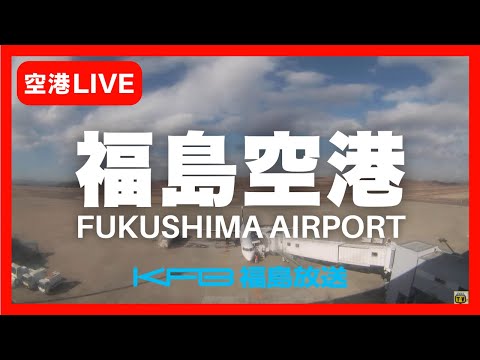
Compare other northern gateways: Akita Airport, Aomori Airport, and Fukushima Airport.
One More Reason to Leave It Open
HNA is a study in enoughness. Enough runway to matter, enough quiet to hear weather, enough connection to unlock Iwate without demanding mega-hub stamina. Spotters who only watch Haneda miss how snow country airports perform competence in miniature — one pushback, one spray of plow snow, one climb into a sky that still looks bigger than the timetable. Leave it open on a storm morning and you will understand northern travel as negotiation, not entitlement. That negotiation is Tohoku hospitality in technical form. Pack patience with your boarding pass. The runway will teach the rest.
Weather as Plot
Tohoku airports make meteorology visible. Watch how quickly a blue gap closes, how plow blades announce priorities, how a single arrival can look heroic against flat light. That is why HNA belongs next to larger hubs on a spotter’s second monitor — not for volume, for truth.
Frequently Asked Questions
Is this the same as Morioka Airport?
People sometimes say “Morioka” in conversation, but the airport is Iwate Hanamaki (HNA) near Hanamaki City, with ground links to Morioka.
Why might the YouTube ID change?
Live events are often restarted; official airport / broadcaster pages are the durable pointers.
Can I see mountains?
Depending on visibility and angle — Tohoku terrain appears when weather allows.
Is it busy?
By Tokyo standards, no. That quiet is the aesthetic.
Best season for a first visit via HNA?
Autumn for clarity and colour; winter if you want snow country on purpose and pack for it.