On Friday, 21 December 2012, the 3rd Burger opened on Omotesando at 11:00 — a opening-day report framed not as another fast burger counter but as a third wave in Tokyo’s hamburger taxonomy. Shibuya Channel’s coverage walked the shop from street sign to kitchen line, treating transparency and ingredient handling as the actual product.
Hours, menu names, and limited items are historical unless independently confirmed today.
First wave, second wave, and the “third” pitch
The name played on industry shorthand. “First” shops optimized cheap speed; “second” shops followed while adding signature touches. the 3rd Burger claimed a new lane: bring a fresh wind — the third — by making burgers you could eat daily without treating them as guilty fast food.
The concept slogan was “a hamburger you can eat every day.” Ingredients were prepared from scratch inside the store, which opening coverage tied to fewer unnecessary additives and a burger health-conscious customers could approach with less suspicion than a typical chain patty.
Design mood: earth, wood, and green
Exterior and interior design followed a “presence of soil” brief — stylish but slightly nostalgic, neither harsh fast-food fluorescent nor precious bistro minimal. Inside, wood tones and plants created a relaxed sit-down room rather than a grab-and-run counter culture.
The signature the 3rd Burger sandwich anchored the menu, paired in coverage with the 3rd Smoothie — banana-forward, easier to drink than it looked, substantial enough that burger plus smoothie read as a full meal rather than a snack pairing.
Kitchen transparency as theater
The report’s longest section was essentially a factory tour:
- Meat ground in-house on a dedicated mincing machine
- Patties shaped on a forming machine, then griddled one by one
- Bun dough fermented and baked on site using starter with no preservatives or artificial preservatives listed
- Potatoes cut and fried to order rather than held in warming bins
- Vegetables prepped in-store for service
- Burgers assembled with quick, practiced hands; sauce bottles handled with the same choreographed speed
That sequence was the brand argument: what looked like fast service was built on immediate prep rather than reheated commissary goods.
Debut ceremony, burger tree, and the Kokonoe family burger
The day before public opening, Store #1’s debut ceremony brought Kozue Akimoto and the Kokonoe oyakata parent-child pair to the room. Staff unveiled a “hamburger tree” built for the event — a display stacked with the shop’s burgers, literally a tree-shaped pile of sandwiches.
During the ceremony Akimoto assembled a custom burger for Kokonoe oyakata, choosing toppings while debating what would suit him — landing on komatsuna, pumpkin, and turnip, plus a generous layer of the shop’s original tartar sauce. The result was named the “Kokonoe Oyako Burger.” Kokonoe’s on-camera verdict: plenty of vegetables and delicious.
That collaboration burger went on sale as a limited item from 24 December 2012 (Monday, public holiday) through the end of January 2013.
Coffee chosen by a “coffee hunter”
Beverage coverage singled out coffee selected by Yoshiteru Kawashima, described in the original piece as internationally known as a “coffee hunter,” who chose beans intended to pair specifically with the 3rd Burger menu. Milk and sugar service containers also received aesthetic attention in the photo walk-through — part of the shop’s soft, design-forward hospitality layer.
Opening facts
- Store: the 3rd Burger
- Opening: 21 December 2012 (Friday), 11:00
- Address: SANWA Minami-Aoyama Building 1F, 5-11-2 Minami-Aoyama, Minato, Tokyo
- Phone: 03-6419-7579
- Website (historical): http://www.the3rdburger.com/
Omotesando and the wider Shibuya basin
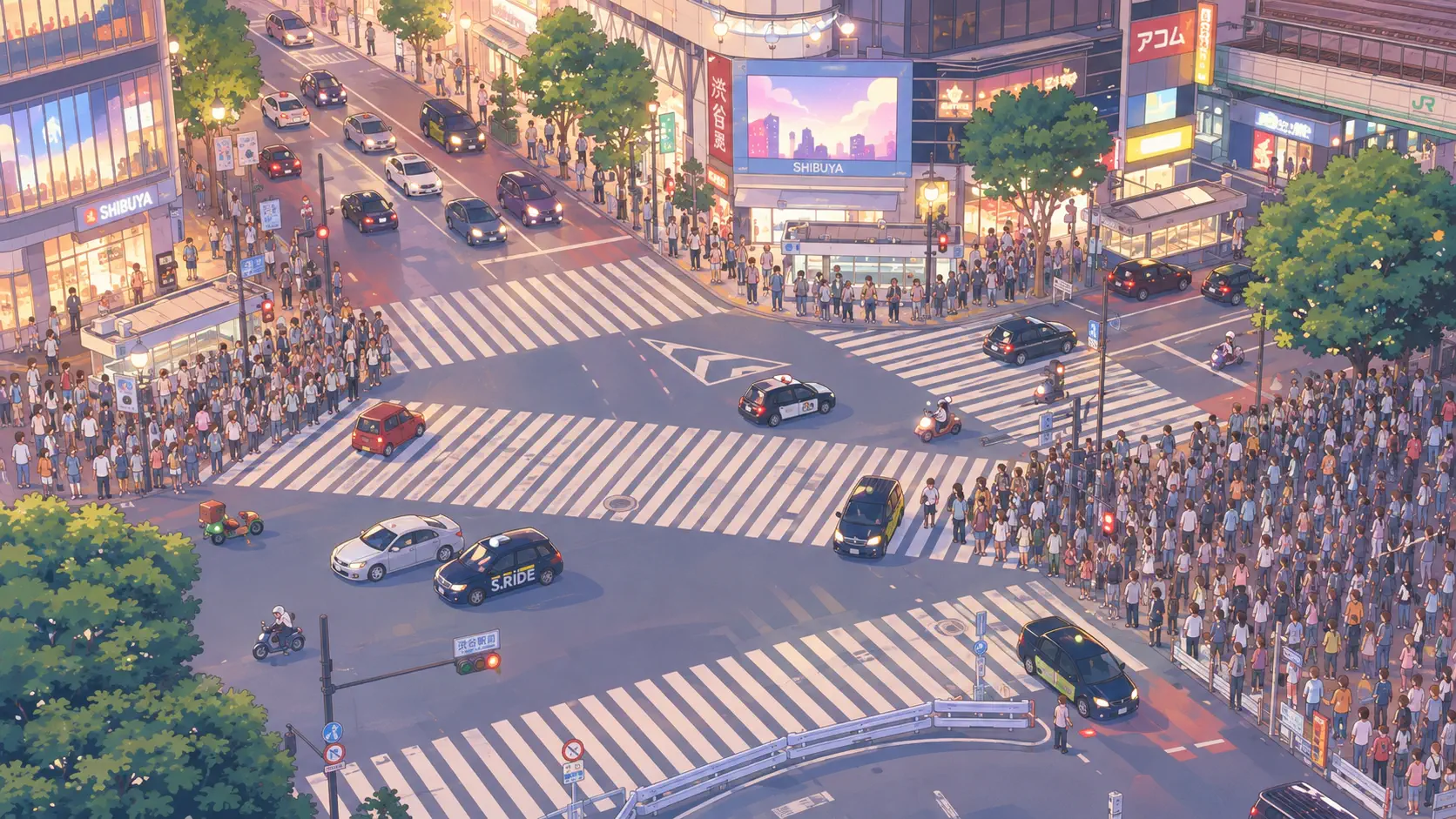
Omotesando sits adjacent to the Shibuya ward’s retail gravity even when addresses read Minato on paper. Opening-week crowds on the avenue connect to the same weekend foot traffic patterns visible from a Shibuya Crossing live view — people moving between fashion streets and sit-down meals. the 3rd Burger’s 2012 pitch inserted a from-scratch burger room into that corridor as an everyday option rather than a rare indulgence.
For a present-day budget frame around the same ward’s casual meals, see our guide to cheap eats in Tokyo.
If you are researching Tokyo burger history, treat this as documentation of the “daily burger” concept at launch — complete with ceremony staging, limited collaboration SKUs, and a kitchen tour meant to be seen as much as eaten.